


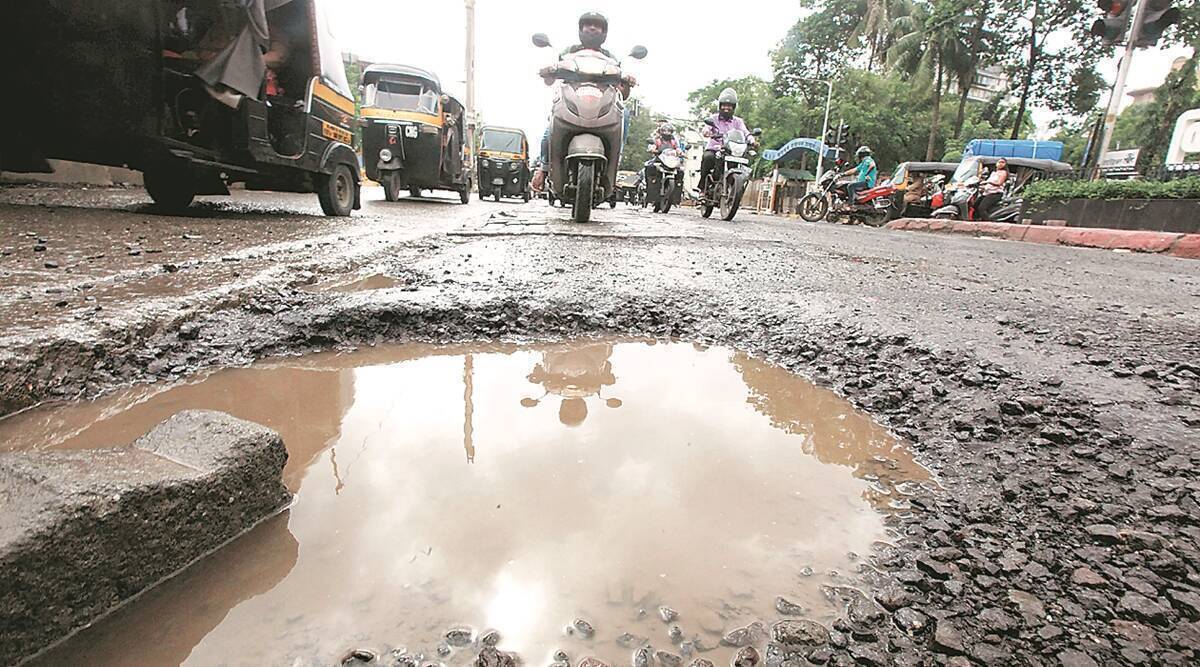
Residents across parts of eastern Bengaluru are raising concerns over deteriorating internal roads and delayed maintenance works, intensifying scrutiny of civic infrastructure management in one of the city’s fastest-growing urban corridors.Several neighbourhoods in the eastern zone continue to face damaged surfaces, potholes, uneven carriageways, and poor drainage conditions despite repeated complaints from residents and commuter groups.
Local communities say the absence of visible repair activity has worsened mobility challenges, particularly during periods of heavy rainfall and peak-hour traffic movement.Urban planners note that Bengaluru’s eastern districts have experienced rapid transformation over the past decade due to the expansion of technology parks, apartment clusters, and commercial developments.However, civic infrastructure upgrades in many ward-level areas have struggled to keep pace with rising population density and increased transport demand.The Bengaluru road repair issue reflects broader governance challenges confronting large Indian metropolitan regions where urban growth frequently outstrips maintenance capacity. Experts argue that while mega infrastructure projects often receive policy attention and funding priority, local road systems and neighbourhood-level civic works remain underfunded or inconsistently monitored.Residents say damaged roads are affecting not only commute times but also pedestrian safety, emergency access, and local business activity. Poorly maintained surfaces combined with waterlogging have become a recurring concern in Bengaluru’s eastern corridors, where construction activity and rapid concretisation have altered natural drainage patterns.
Mobility researchers point out that deteriorating road conditions increase vehicle operating costs, fuel consumption, and emissions while slowing public transport movement. In densely populated neighbourhoods, poor maintenance can also discourage walking and cycling, further deepening dependence on private vehicles.The Bengaluru road repair debate is increasingly tied to larger questions of urban resilience and infrastructure accountability.Environmental planners warn that repeated excavation, delayed resurfacing, and weak stormwater integration contribute to long-term sustainability challenges in expanding metropolitan areas.Experts further stress that climate-responsive urban maintenance is becoming critical as cities face more intense rainfall events and heat stress. Durable road materials, permeable surfaces, improved drainage systems, and coordinated utility management are increasingly viewed as essential components of resilient civic infrastructure.The issue also highlights disparities within Bengaluru’s development trajectory. While high-profile technology and commercial districts continue attracting investment, many residential wards continue to struggle with inconsistent civic upkeep and fragmented service delivery.Urban governance specialists argue that strengthening ward-level planning and decentralised maintenance systems could improve accountability and faster response mechanisms for local infrastructure issues.
Citizen participation and transparent project tracking are also being increasingly advocated as tools to improve civic responsiveness.For residents of eastern Bengaluru, the continuing delays in road repairs have become emblematic of a wider urban challenge — balancing rapid economic growth with the everyday infrastructure needs that shape quality of life.As Bengaluru expands further outward, ensuring reliable neighbourhood infrastructure may prove just as important to the city’s future resilience as large-scale transport and commercial projects.
Also Read:Bengaluru Street Festival Revives Citizen Friendly Urbanism
