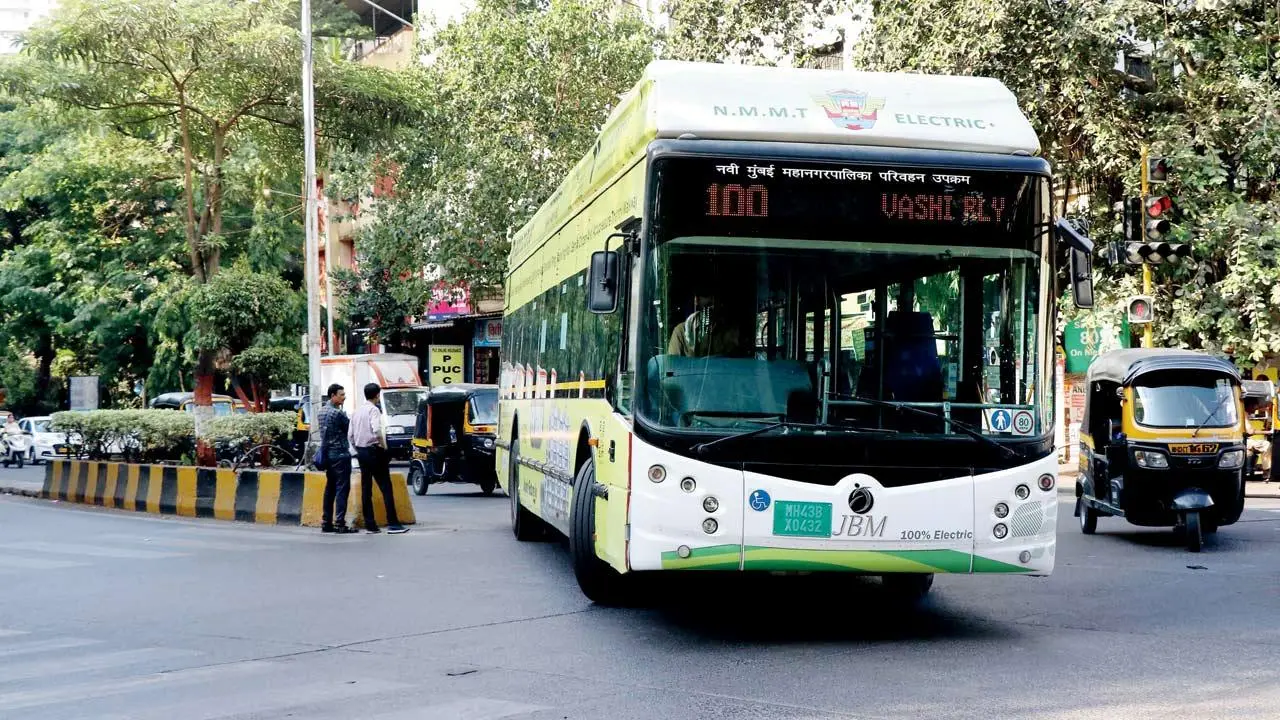
Navi Mumbai is preparing to scale up its public transport network with a fresh push towards low-emission mobility, as the city plans to introduce an additional set of compressed natural gas and electric buses in the coming financial year. The move signals a shift towards cleaner transit systems while addressing rising commuter demand linked to rapid urban expansion and new infrastructure developments in the region. Officials overseeing the municipal transport network indicate that the proposed additions will strengthen the existing green bus fleet, which has already begun replacing conventional diesel vehicles. With a growing share of cleaner buses already operational, the latest procurement is expected to accelerate the transition towards a predominantly low-emission public transport system.
The expansion is being backed by a substantial transport budget that prioritises not only fleet augmentation but also supporting infrastructure. Planned investments include the development of new bus terminals, installation of solar energy systems to offset operational power demand, and the rollout of electric vehicle charging stations at multiple locations through public-private partnerships. Together, these measures are designed to reduce lifecycle emissions while improving service reliability. Urban mobility experts view the green bus fleet strategy as a critical step in reducing transport-related pollution, which remains a significant contributor to air quality concerns across the Mumbai Metropolitan Region. Electrification of bus systems, combined with cleaner fuels such as CNG, can help cities lower carbon intensity while maintaining affordability for daily commuters. The timing of the expansion also aligns with anticipated changes in travel patterns. The upcoming Navi Mumbai International Airport and associated economic activity are expected to generate new passenger flows, placing additional pressure on existing transport systems.
Authorities are planning new routes and service enhancements to connect emerging hubs with residential areas, ensuring that public transport remains a viable alternative to private vehicles. Beyond environmental benefits, the initiative carries implications for equitable urban access. Municipal officials have indicated that fare concessions for students, senior citizens, and women will continue, reinforcing the role of public transport as a social equaliser. At the same time, improvements in scheduling and fleet management through intelligent transport systems are expected to enhance efficiency and reduce waiting times. However, transport planners caution that fleet expansion alone may not be sufficient. Sustained gains in ridership and emissions reduction will depend on integration with other modes, including metro rail, suburban rail, and last-mile connectivity solutions. Without seamless interchange, the potential of a green bus fleet to reshape commuting patterns could remain underutilised.
As Navi Mumbai positions itself as a planned urban extension within the larger metropolitan region, its transport choices are increasingly being viewed through the lens of long-term sustainability. The success of this initiative will depend on consistent policy support, operational discipline, and the ability to align infrastructure growth with environmental priorities.