


The Philippines’ reported interest in Telangana’s seeds and meat products places a broader question alongside the state’s established rice-export ambitions: can Telangana convert agricultural production into a sustained, diversified farm-to-export system?
The immediate development followed a meeting in New Delhi between Telangana civil supplies minister N Uttam Kumar Reddy and Philippines secretary of agriculture Francisco P Tiu Laurel Junior. According to the minister, discussions that had focused on rice exports expanded to include high-quality seeds and meat products. The report does not describe a signed procurement agreement, a shipment schedule or a formal trade target. It records an expression of interest and the state government’s attempt to build that interest into a longer-term agricultural partnership.
That distinction is important. Agricultural trade is not created by political meetings alone. It depends on repeat orders, competitive pricing, quality certification, logistics, processing capacity and compliance with the importing country’s regulations. The available information establishes that Telangana and the Philippines are discussing a wider trade relationship. It does not yet establish how much Telangana will export, which companies will participate or when new product shipments could begin.
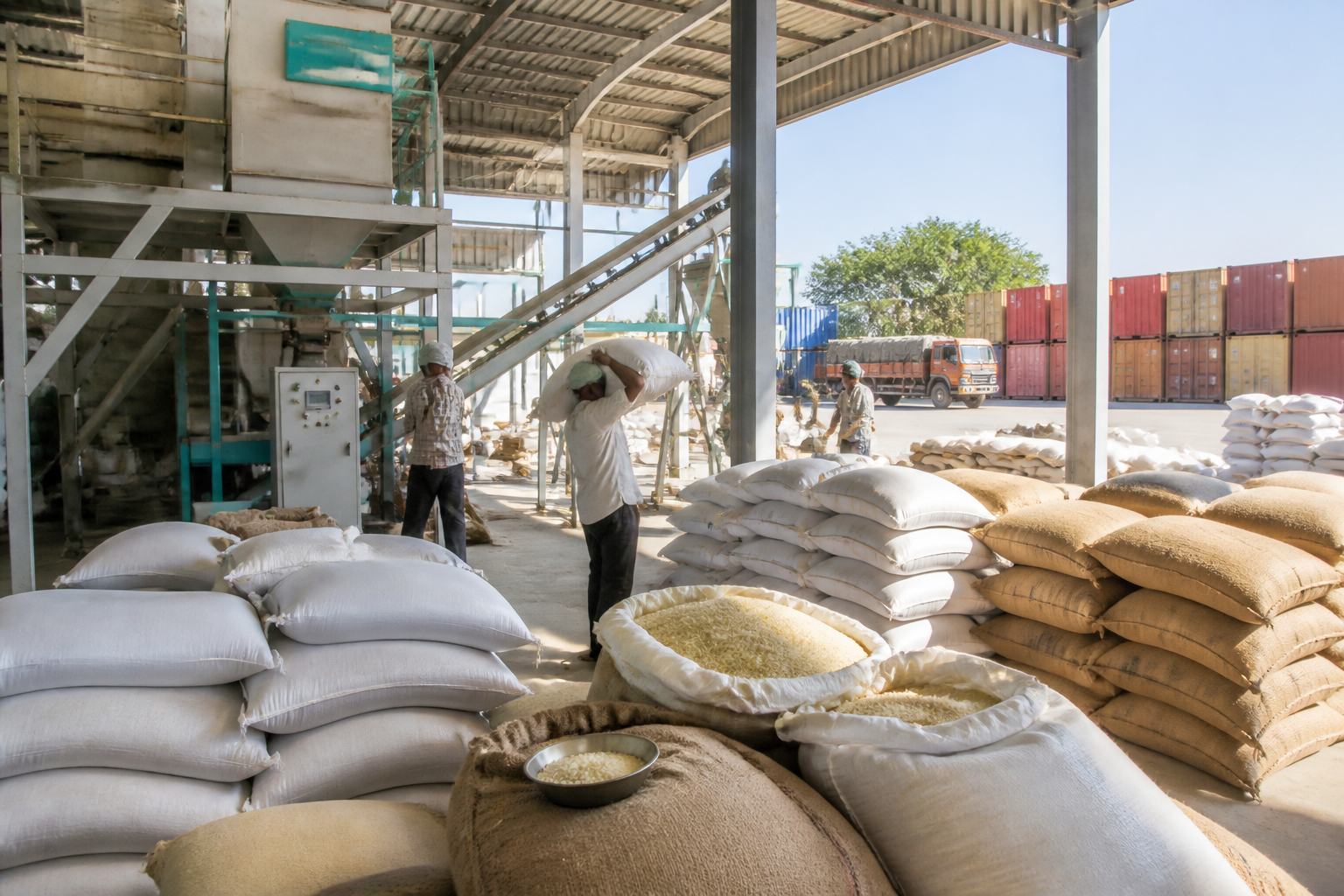
The rice opportunity is the clearest part of the current discussion. Reddy said the Philippines had indicated its willingness to procure additional quantities of Telangana rice at a competitive price, described as among the best rates secured by the state in export markets. The minister also presented the Philippines as a potentially important market because of its continuing dependence on imported rice.
The figures cited in the report explain why the market is attracting attention. Philippine rice consumption is estimated at 17.6 million metric tonnes in 2025-26, while domestic paddy production is projected at 19.52 million metric tonnes. The reported gap between production and consumption is linked to milling losses, which reduce the quantity available after paddy is processed. The Philippines imported 2.38 million metric tonnes of rice between January and May, a 16.5% increase over the corresponding period last year, according to the figures cited by the minister.
These numbers describe demand at the national level, not Telangana’s actual share of the Philippine market. They show the scale of the opportunity being presented by the state government, but they do not demonstrate that Telangana can immediately capture it. The outcome will depend on the price at which the state’s rice can be supplied, the consistency of quality, the availability of exportable surplus and the ability of traders and millers to meet the requirements of Philippine buyers.
For Telangana, the significance of the discussion lies in the proposed shift from a single-commodity relationship to a portfolio of agricultural products. Rice can provide volume, but the state’s wider export proposition is being built around its seed industry, meat-processing capabilities and other agro-based industries. In principle, this could connect farmers, seed companies, rice millers, meat processors and exporters to the same international-market strategy.
The report does not provide the value or scale of Telangana’s seed industry, nor does it specify which seed varieties the Philippines is considering. It also does not identify the meat products under discussion, the processing facilities that could supply them or the sanitary and animal-health requirements that would apply. Those gaps are not minor details. Seeds and meat move through different regulatory, logistical and commercial systems, and each requires a distinct export architecture.
Seeds are not simply another agricultural commodity. Their movement across borders is tied to varietal performance, certification, intellectual-property considerations and the importing country’s approval processes. The information available does not state whether any Telangana seed products have been evaluated or approved for the Philippine market. The reported interest therefore represents a possible market opening, not evidence of market access already secured.
Meat products present a different set of conditions. Exporters need processing, cold-chain and inspection systems capable of maintaining quality from the point of production to the destination market. The report refers to Telangana’s established food and meat-processing sectors but does not provide capacity figures, export volumes or details about facilities involved in the talks. Without that information, it is not possible to assess how prepared the sector is to meet sustained Philippine demand.
The state government’s stated objective is to secure stable international markets rather than depend on occasional export opportunities. This is the most consequential policy idea in the announcement. Occasional sales can move surplus during a favourable price window; stable markets require coordination across production, aggregation, processing, certification, transport, finance and buyer relationships.
A farm-to-export value chain also changes the role of urban and industrial infrastructure. Export performance depends not only on farms but on the systems around them: rice mills, food-processing units, testing laboratories, storage facilities, freight connections, customs procedures and commercial intermediaries. The report specifically links the proposed partnership to rice milling, meat processing and other agro-based industries. That connection makes the development relevant to Telangana’s broader built and industrial environment, even though the announcement does not identify new infrastructure projects or investments.
The trade discussion also highlights the difference between production capacity and export readiness. Telangana may have agricultural output and established processing sectors, but international buyers require reliable supply over time. A competitive price is useful for entering a market, but repeat trade depends on whether the supplier can maintain specifications and delivery schedules. The source material does not state whether the Philippine discussions have moved beyond exploratory engagement or whether purchase contracts are being negotiated.
The policy landscape described in the report is primarily state-led and trade-oriented. The civil supplies minister is presenting rice exports as an outlet for surplus production while positioning the state as a reliable supplier. The wider pitch includes private and agro-industrial participants, including seed companies, millers and meat processors. The report does not clarify the role of central export agencies, Philippine regulators, port operators or financial institutions, although their involvement would be relevant to implementation.
That institutional detail matters because agricultural exports cross several administrative boundaries. A state government can promote producers and industries, but market access, food safety, animal-health compliance, customs and international trade arrangements involve other authorities. The current account confirms a ministerial meeting and a policy objective, but it does not set out an implementation framework, responsible agencies or milestones.
The available data offer one strong signal: the Philippines is a large rice-consuming market with significant reported import activity. Consumption of 17.6 million metric tonnes, projected domestic paddy production of 19.52 million metric tonnes and imports of 2.38 million metric tonnes in the first five months of the year establish the commercial scale cited by Telangana. They do not, however, show whether the market will remain equally accessible to every supplier or how Telangana compares with competing exporting regions.
There is also no information in the report on the quantity of rice Telangana currently exports to the Philippines. Without a baseline, it is difficult to measure what “additional quantities” would mean or to calculate the potential effect on farmers, millers and state revenues. Similarly, no figures are provided for seed or meat exports, meaning the diversification component remains a strategic proposal rather than a quantified trade programme.
The larger urban-economic question is whether Telangana can build the processing and logistics ecosystem required to turn agricultural output into higher-value trade. If the engagement develops, benefits could extend beyond farms to milling, packaging, cold storage, quality testing, transport and export services. If it remains at the level of general interest, the immediate effect will be limited to diplomatic and commercial signalling.
For now, the evidence confirms three things. Telangana is seeking to expand its agricultural relationship with the Philippines beyond rice; Philippine officials have reportedly shown interest in seeds and meat products; and the state sees rice demand and import dependence as an opportunity for sustained exports. What remains uncertain is the commercial pathway: the products, quantities, contracts, standards, companies and timelines that would turn the discussion into trade.
The next meaningful developments to monitor are any formal procurement agreements, product approvals, identified exporters, shipment data or government announcements detailing implementation. Until those appear, the Philippines engagement is best understood as an opening for Telangana’s agricultural export strategy—and a test of whether the state can move from selling farm commodities to building a dependable, diversified export system.
