


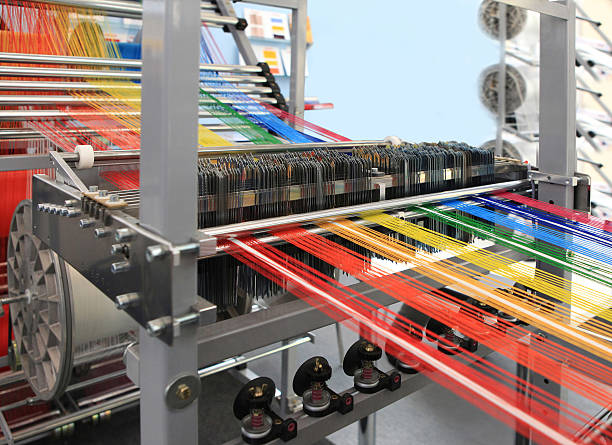
Manufacturers in Surat’s textile cluster are increasingly concerned that escalating raw material and operational expenses could weaken the global competitiveness of the city’s Surat synthetic fabric industry, one of the largest producers of man-made fabrics in the country. Industry stakeholders say the steady rise in input costs—from petrochemical-based yarn to energy and logistics—has begun to strain production margins across the sector. Surat’s textile ecosystem, which supplies synthetic fabrics to domestic and international markets, depends heavily on polyester and other petrochemical derivatives as core inputs. Fluctuations in global crude oil prices and supply chain costs have pushed up the price of these materials, directly impacting the economics of the Surat synthetic fabric industry.
Manufacturers indicate that production costs have increased across several stages of the textile value chain, including yarn procurement, dyeing, weaving and finishing. In addition to raw material expenses, higher electricity tariffs and transportation charges have added to the cost burden faced by textile units operating in and around the city. The challenge comes at a time when global textile markets are becoming increasingly competitive. Countries with lower production costs and large-scale manufacturing capacities are competing for export markets, placing additional pressure on the Surat synthetic fabric industry to maintain price competitiveness while meeting international quality standards. Industry observers say Surat’s textile cluster plays a crucial role in India’s garment supply chain. Thousands of small and medium enterprises operate powerlooms, processing units and trading networks that collectively produce a wide range of synthetic fabrics used in clothing, home textiles and technical applications. The sector also supports a large workforce, including migrant labourers who rely on textile manufacturing for employment. Economic analysts note that rising production costs can affect the entire ecosystem surrounding the Surat synthetic fabric industry, including fabric traders, garment manufacturers and logistics operators. When margins shrink, businesses may delay capacity expansion, reduce output or shift focus toward lower-cost product segments. Urban economic planners highlight that maintaining competitiveness in manufacturing clusters requires coordinated policy support and infrastructure improvements. Reliable power supply, efficient logistics networks and access to modern textile technology can help manufacturers manage rising input costs and improve productivity. Environmental considerations are also becoming increasingly relevant for the textile sector. Synthetic fabric production involves energy-intensive processes, and many global buyers now expect manufacturers to adopt cleaner production methods, water recycling systems and reduced chemical discharge. Integrating sustainability practices may require additional investment but can also open access to premium international markets.
Industry representatives say innovation and efficiency improvements will be critical for the Surat synthetic fabric industry to remain competitive. Investments in advanced machinery, automation and digital supply chains could help reduce waste and improve productivity across manufacturing operations. For Surat, where textiles form a major pillar of the local economy, the evolving cost environment underscores the need for long-term industrial strategies that strengthen resilience. As global supply chains shift and production costs fluctuate, the ability of manufacturing hubs to adapt will determine their future role in international textile markets.
ALSO READ – Surat NH48 Toll Policy Faces Opposition From Operators
Surat Textile Industry Warns of Rising Production Costs

