


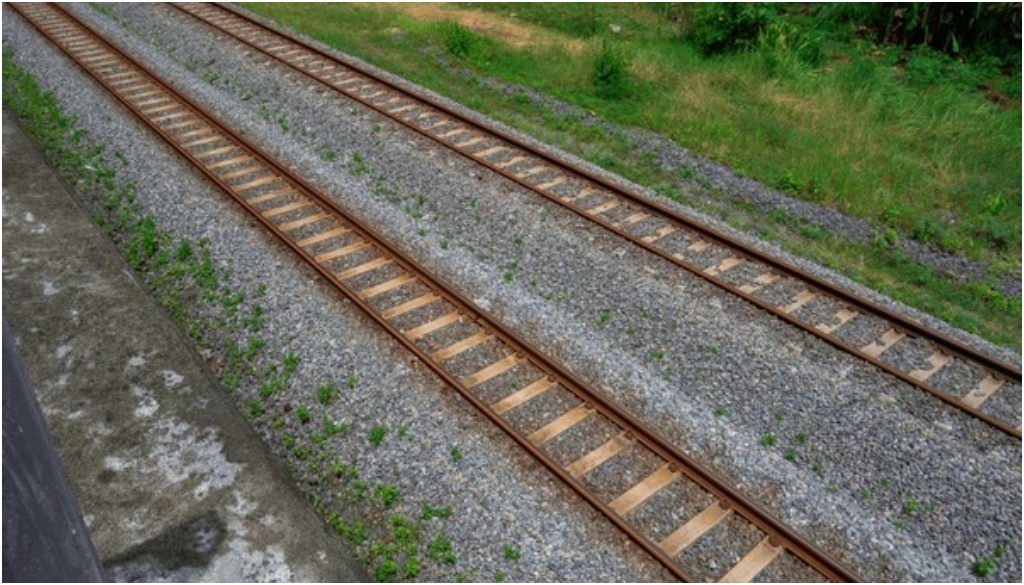
Rail infrastructure upgrades along the western corridor connecting Surat and Virar are advancing with the installation of new foot overbridge (FOB) girders, aimed at improving passenger safety and easing movement across busy tracks. The development is part of ongoing efforts to modernise high-density rail routes that serve as lifelines for daily commuters and intercity travel. Officials overseeing the project indicate that the newly launched girders will support pedestrian bridges designed to reduce track crossings—a persistent safety concern in congested railway sections.
With rising passenger volumes across western India’s urban belt, such interventions are increasingly critical to prevent accidents and improve station accessibility. The upgrade reflects a broader shift towards safer, more inclusive rail infrastructure. Experts note that well-designed FOBs not only enhance commuter safety but also improve accessibility for elderly passengers, women, and people with disabilities. In rapidly growing cities like Surat, where migration and economic activity continue to drive rail usage, infrastructure must adapt to diverse user needs. From a regional perspective, the corridor linking Surat with the Mumbai Metropolitan Region plays a key role in economic integration. Improved rail connectivity supports workforce mobility, reduces travel time, and strengthens supply chains between industrial hubs. Urban economists highlight that such investments can indirectly boost local economies by facilitating smoother movement of both people and goods. However, planners caution that infrastructure upgrades must keep pace with projected demand. While FOB installations address immediate safety concerns, long-term solutions may require capacity expansion, better station design, and integration with other modes of transport such as buses and metro systems. Without a multimodal approach, congestion pressures are likely to persist. Environmental considerations are also part of the conversation. Rail transport is generally more energy-efficient than road-based alternatives, making it a critical component of low-carbon urban mobility strategies. Strengthening rail infrastructure along busy corridors can help reduce reliance on private vehicles, contributing to lower emissions and improved air quality. The project underscores the importance of incremental yet impactful upgrades in existing infrastructure networks. Rather than relying solely on large-scale new projects, targeted interventions like FOB installations can deliver immediate safety and efficiency benefits for commuters.
As work progresses on the Surat–Virar section, attention will turn to timely execution and maintenance standards. For cities across the corridor, the challenge remains to build transport systems that are not only efficient but also safe, accessible, and aligned with long-term sustainability goals—ensuring that mobility improvements translate into better urban living conditions.
ALSO READ – Surat Fake Ghee Unit Bust Raises Food Safety Concerns
Surat Rail Upgrade Improves Commuter Safety Infrastructure
