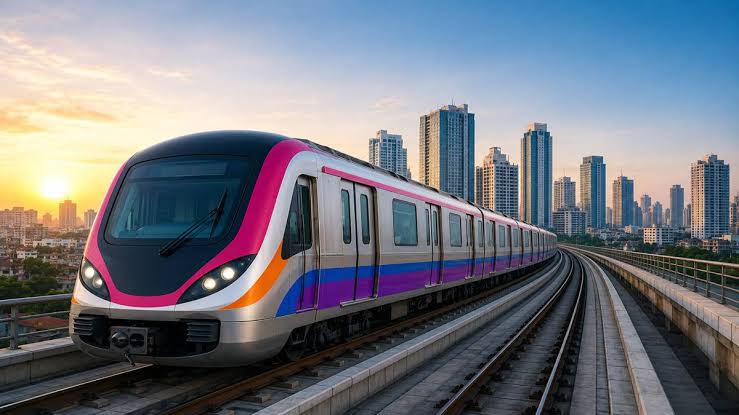
Mumbai Metro deploys AI for smarter train maintenance
Mumbai’s metro network has introduced an artificial-intelligence system designed to identify pantograph defects while trains remain in operation, marking a shift towards predictive maintenance in urban rail. The technology could help operators identify equipment deterioration earlier, reduce unplanned maintenance and protect service reliability as the metropolitan network expands and passenger volumes increase. The system, described by the Mumbai Metropolitan Region Development Authority (MMRDA) as India’s first AI-powered Automated Pantograph Condition Monitoring System for metro operations, focuses on the pantograph — the roof-mounted equipment that maintains electrical contact between a train and its power supply. Unlike periodic physical inspections, the new arrangement enables automated monitoring during normal train operations.
Images and operational data can be assessed to identify abnormalities that may otherwise require a maintenance team to detect during scheduled checks. For passengers, the immediate benefit is less about visible technology and more about fewer avoidable interruptions. A pantograph problem can affect the transfer of electrical power to a train, potentially leading to service delays or additional inspections. Detecting early signs of wear can allow maintenance teams to intervene before a minor defect develops into a larger operational problem. The deployment also reflects a broader change in how large transport systems manage maintenance. As metro corridors become more interconnected, keeping trains available is increasingly important. Predictive systems can support maintenance planning by allowing operators to prioritise assets that show signs of deterioration rather than relying only on fixed inspection cycles. Urban transport specialists say the value of AI in this setting will ultimately depend on how accurately the system identifies genuine faults and how effectively those alerts are integrated into maintenance decisions.
Technology can improve detection, but trained personnel, regular physical inspections and robust safety procedures remain essential. There is also an infrastructure efficiency angle. Better asset monitoring can potentially reduce unnecessary component replacement and limit extended maintenance shutdowns. Over time, that could improve the use of public transport infrastructure while reducing operational waste associated with premature repairs or repeated inspections. For Mumbai, the significance extends beyond one piece of equipment. The city is adding metro capacity across a rapidly growing metropolitan region, making dependable operations central to shifting more journeys away from private vehicles.
The AI-based monitoring system therefore becomes part of a larger effort to build a more resilient public transport network. The next test will be operational performance. As the system gathers more data, its ability to detect defects consistently and translate warnings into timely maintenance will determine whether Mumbai Metro AI becomes a meaningful model for technology-led reliability across India’s expanding urban rail sector.