


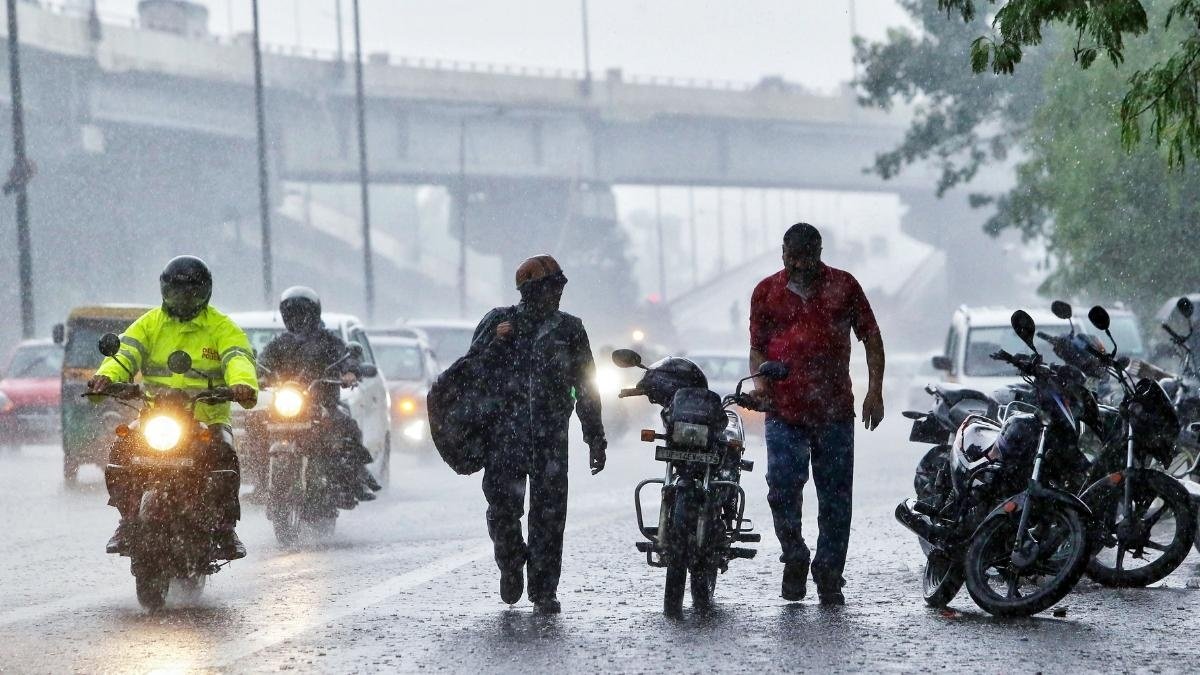
Rising civic frustrations in Surat are spilling into the political arena, as residents confront local representatives over persistent waterlogging and deteriorating road conditions ahead of municipal elections. The tensions highlight growing public concern over basic urban infrastructure in one of India’s fastest-growing cities. Several neighbourhoods have reported recurring flooding during rainfall, alongside damaged roads that disrupt daily commutes and pose safety risks.
Residents argue that despite repeated complaints, long-term solutions remain elusive. Urban planners note that such issues are often rooted in inadequate drainage design, poor maintenance, and rapid, unplanned urban expansion. The Surat waterlogging issue has become a focal point in the city’s civic discourse, reflecting deeper challenges in managing urban growth. As Surat expands, increased concretisation reduces natural water absorption, placing greater pressure on drainage systems that were not designed for current population densities or climate variability. From a governance perspective, the situation underscores the gap between infrastructure development and service delivery. While Surat has seen significant economic growth driven by its textile and diamond industries, experts suggest that civic infrastructure has not kept pace with this expansion. This imbalance can erode public trust and influence electoral outcomes, particularly when basic services are affected. The economic implications are also significant. Waterlogged roads disrupt local businesses, delay logistics, and increase maintenance costs for both individuals and the municipality. In a city that depends heavily on efficient supply chains, even short-term disruptions can have wider ripple effects. Environmental experts point to the role of climate change in intensifying rainfall patterns, which can overwhelm existing urban systems. Addressing the Surat waterlogging issue will therefore require not just reactive measures but a comprehensive rethinking of urban planning—incorporating climate-resilient drainage, permeable surfaces, and better land-use regulation. Citizen engagement is emerging as a key factor. Residents are increasingly demanding accountability and transparency in how infrastructure projects are planned and executed. This shift indicates a broader trend in Indian cities, where urban populations are becoming more vocal about governance and service quality. Looking ahead, the challenge for city authorities will be to move beyond temporary fixes and implement structural improvements.
Strengthening drainage networks, improving road construction standards, and integrating climate resilience into urban planning will be critical steps. As Surat approaches its electoral cycle, the spotlight on infrastructure highlights a central question for rapidly growing cities: can economic success translate into reliable, citizen-first urban services? The answer may shape not just political outcomes, but the city’s long-term liveability.
ALSO READ – Surat Rail Upgrade Improves Commuter Safety Infrastructure
Surat Civic Issues Trigger Resident Political Backlash
