


The proposed Sharavathi pumped storage project has entered a crucial stage in the environmental scrutiny of large energy infrastructure in the Western Ghats. A site-inspection report by the Karnataka Forest Department has warned that the project could adversely affect forests, wildlife habitat, the Sharavathi sanctuary, the river basin, reservoirs, soil and moisture conditions. At the same time, the report has indicated that approval could be considered subject to conditions.
That combination is important. The report does not amount to a final rejection of the project, nor does it establish that the proposed development will inevitably produce every impact identified. It records the concerns of a divisional forest officer after an inspection and places those concerns before the Union environment ministry as part of the approval process. The larger question is how a major electricity-storage project can be assessed when its construction footprint overlaps with a sensitive forest and wildlife landscape.
The project is designed to generate 2,000 megawatts of electricity. According to the report cited by Prajavani, the chief engineer of Karnataka Power Corporation Limited had submitted a proposal to the Union environment ministry seeking permission to use 30 acres of forest land in the Kargal area of the Shivamogga wildlife zone. The inspection was subsequently carried out by the deputy conservator of forests of the Shivamogga wildlife zone, and the report was submitted to the ministry on August 28.
The immediate issue is therefore not only the size of the proposed power project but also the chain of permissions required before construction can proceed. The forest department’s assessment is one part of that process. Its language indicates that the project may be considered under conditions, but the supplied report does not specify what those conditions would be, whether the Union ministry has accepted the recommendation, or whether final forest and wildlife clearances have been granted.
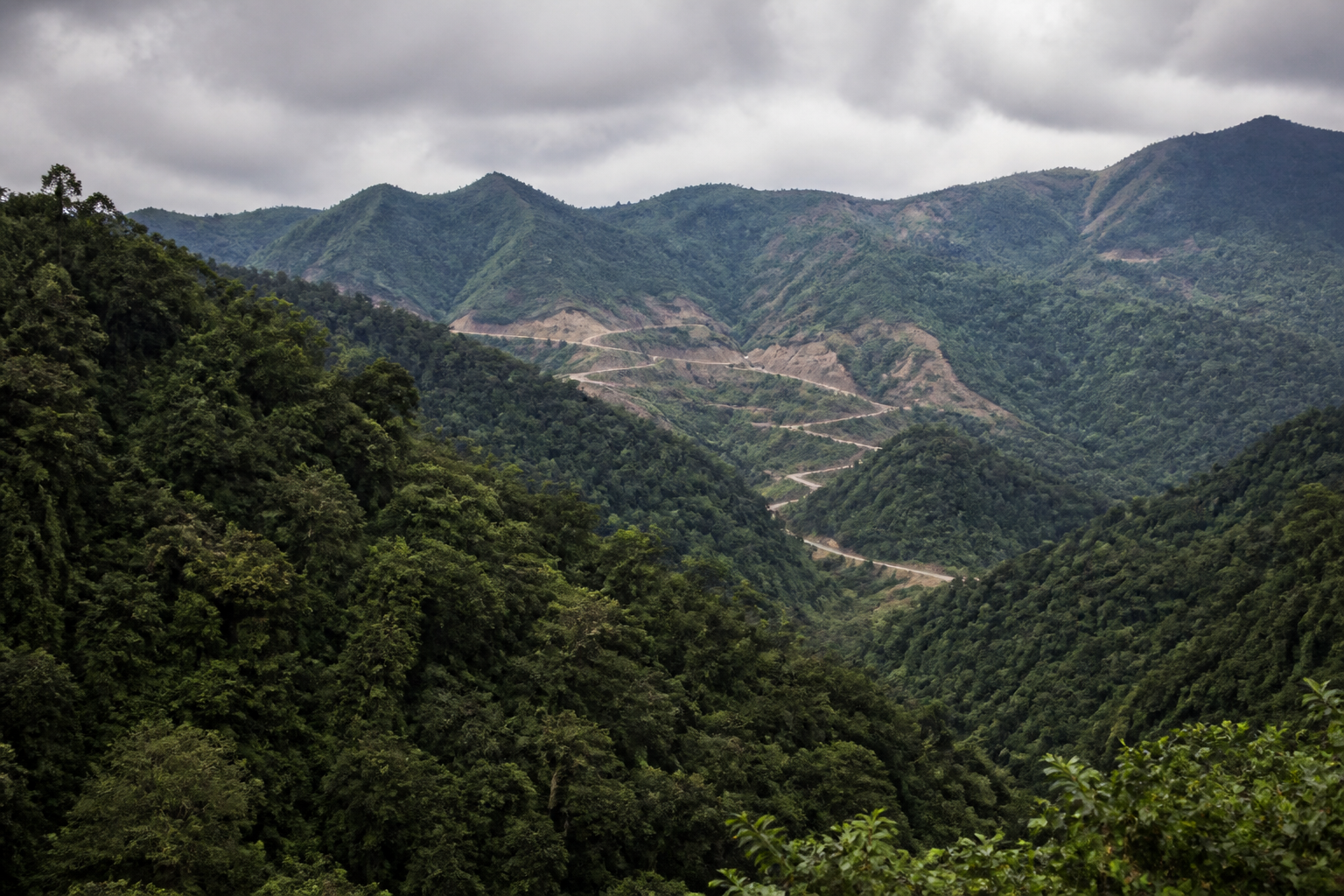
The department’s concerns cover several connected ecological systems. It has warned that the project could affect the forest, wildlife, the river watershed, the reservoir, soil and moisture, as well as habitats of endangered species. It has also raised the risk of increased landslides and soil erosion in the Western Ghats. These are not separate construction impacts. In a steep and forested landscape, changes to roads, slopes, drainage and surface cover can interact, making the design and sequencing of construction central to the environmental assessment.
The report identifies road widening and other development activity as potential sources of habitat fragmentation. Fragmentation can divide areas used by animals for feeding, shelter and movement, even when the total area directly cleared appears limited. The forest department has specifically referred to the lion-tailed macaque and other mammals, warning that construction-related traffic and human movement could disturb animals, increase pollution and alter their behaviour.
The department has estimated that construction would take at least five years. That timeline matters because the assessment describes the project not as a short intervention but as a prolonged presence in the forest landscape. During that period, vehicles, workers, road works, excavation and other associated activity could create repeated disturbances. The report also cites air pollution, noise pollution and soil erosion as risks to local biodiversity.
The population of the lion-tailed macaque adds another layer to the assessment. A survey conducted by the Karnataka Forest Department with various institutions in 2022-23 reportedly recorded 730 lion-tailed macaques in the Sharavathi Wildlife Sanctuary. The inspection report has warned that the proposed project could disturb their habitat and that their numbers may decline. The supplied material does not provide the survey methodology, the distribution of the animals within the proposed project area, or a quantified estimate of how many individuals or hectares of habitat could be affected. Those details will be important for evaluating the scale of the risk.
The project’s significance also comes from the role of pumped storage in the electricity system. Unlike a conventional generating station, a pumped storage project generally relies on the movement of water between reservoirs to store and release energy. However, the supplied report does not provide the proposed project’s reservoir design, tunnel alignment, water requirements, transmission arrangements, construction methods or operating cycle. Those omissions prevent a detailed assessment of the project’s engineering footprint from the material currently available.
What can be established is that the proposal is being evaluated through competing institutional priorities. Karnataka Power Corporation Limited is advancing the project proposal, while the forest department’s inspection has highlighted risks to protected landscapes and species. The Union environment ministry is the authority to which the inspection report was submitted, but the available report does not state the ministry’s final decision. The environmental approval process is therefore still central to the project’s next phase.
This institutional structure makes the conditions attached to any approval especially important. A condition is meaningful only if it is specific, measurable and enforceable. The material supplied does not identify proposed safeguards, monitoring arrangements, compensatory measures, limits on road construction, seasonal restrictions, wildlife-movement protections or requirements for slope and erosion management. Without those details, it is not possible to judge whether the concerns recorded by the forest department have been translated into enforceable project obligations.
The report also illustrates why the area of forest land requested cannot be treated as the entire impact footprint. The proposal seeks permission to use 30 acres in the Kargal area, but the department’s concerns include road widening, development activity, vehicle movement and human access. Associated infrastructure can extend the operational and ecological influence of a project beyond the land formally diverted for its principal facilities. The available material does not quantify that wider footprint, making a complete impact assessment impossible at this stage.
The five-year construction estimate provides a first measure of duration, but not of intensity. The report does not set out how work would be distributed across seasons, how much excavation would occur at different sites, or how construction traffic would be managed. These questions are particularly relevant because the department has linked the project to possible landslides, soil erosion, noise and air pollution. The risks identified in the report will need to be tested against detailed plans rather than considered only as general possibilities.
The Sharavathi proposal also sits within a wider debate about locating essential infrastructure in ecologically sensitive areas. The demand for electricity storage can create pressure for large projects with substantial land, water and transmission requirements. At the same time, the public value of an energy project does not remove the need to establish whether its location, design and safeguards are compatible with a protected habitat. The report’s conditional position reflects that unresolved balance: it acknowledges the project’s potential to proceed while recording substantial ecological concerns.
The evidence currently supports three conclusions. First, the forest department has identified potentially serious effects on the Western Ghats landscape, wildlife habitat and watershed-related systems. Second, the proposed project remains within an approval process rather than being described in the supplied material as finally cleared or under construction. Third, the available account does not contain enough technical or administrative detail to determine whether the proposed safeguards would adequately address the identified risks.
The next stage will depend on the Union environment ministry’s response to the inspection report and on the conditions, studies and permissions attached to any decision. The key documents to monitor are the ministry’s clearance decision, the detailed project design, the full environmental and wildlife assessments, the proposed construction footprint and the safeguards governing roads, traffic, erosion, pollution and animal movement. Until those details are publicly established, the Sharavathi pumped storage project remains both an energy proposal and a test of how India evaluates infrastructure in a fragile mountain ecosystem.
