Rajasthan Solar Capacity Growth Outpaces Grid Readiness
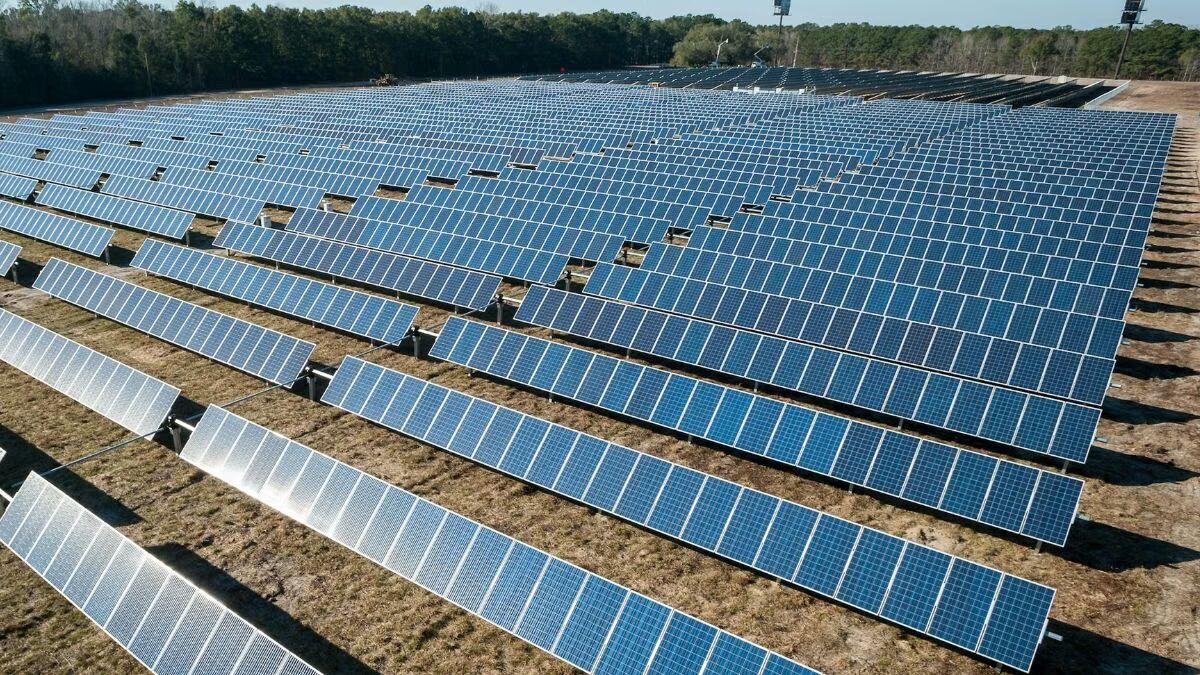
Rajasthan’s position as India’s leading solar power producer is increasingly being tested by a critical infrastructure gap, with a significant share of generated electricity going unused due to transmission and storage constraints. The state now accounts for nearly 27% of the country’s installed solar capacity, but the mismatch between generation and grid readiness is emerging as a key challenge for India’s clean energy transition.
With India’s total solar capacity crossing 150 GW, Rajasthan has become a central hub for large-scale renewable energy projects, driven by abundant land availability and high solar irradiation. However, the rapid pace of capacity addition has outstripped the development of supporting infrastructure, particularly inter-state transmission networks and energy storage systems. At the core of the issue is grid congestion. Large volumes of solar power generated during peak daylight hours cannot be transmitted efficiently to demand centres in other states. In some cases, this has led to curtailment—where electricity generation is deliberately reduced to maintain grid stability—resulting in energy losses and reduced returns for developers. The problem is not limited to existing capacity. A growing pipeline of renewable projects remains stalled or underutilised due to delays in transmission link development. Estimates suggest that tens of gigawatts of renewable capacity are awaiting grid connectivity, reflecting a structural lag between project approvals and infrastructure execution.
Energy analysts argue that this imbalance highlights a broader systemic issue in India’s renewable expansion strategy—where generation targets have progressed faster than grid modernisation. While solar installations continue to scale rapidly, transmission corridors, storage solutions, and flexible grid management systems have not kept pace. This creates inefficiencies that undermine both sustainability goals and financial viability. The implications extend beyond the energy sector into urban and regional planning. Cities relying on renewable power for future energy security may face supply inconsistencies if grid integration challenges persist. Moreover, wasted clean energy represents a missed opportunity to reduce reliance on fossil fuels, particularly during peak demand periods. From an economic perspective, continued curtailment risks dampening investor confidence in large-scale solar projects. Developers facing unpredictable offtake may become cautious about committing capital, potentially slowing down the pace of renewable deployment. This is especially significant as India targets 500 GW of non-fossil fuel capacity by 2030. Experts emphasise that addressing the issue will require a multi-layered approach. Expanding high-capacity transmission corridors, accelerating green energy corridor projects, and investing in battery storage systems are seen as immediate priorities. Storage, in particular, could help shift excess daytime solar generation to evening peak demand, improving overall grid efficiency.
There is also a growing call for better coordination between states, regulators, and transmission agencies to align project timelines with infrastructure readiness. Without this, the gap between installed capacity and usable energy may continue to widen. As Rajasthan continues to anchor India’s solar ambitions, the current bottleneck underscores a critical lesson: clean energy expansion is not just about generation, but about building an integrated ecosystem that can absorb, distribute, and sustain it. The next phase of growth will depend less on adding capacity and more on ensuring that every unit generated can be effectively used.