


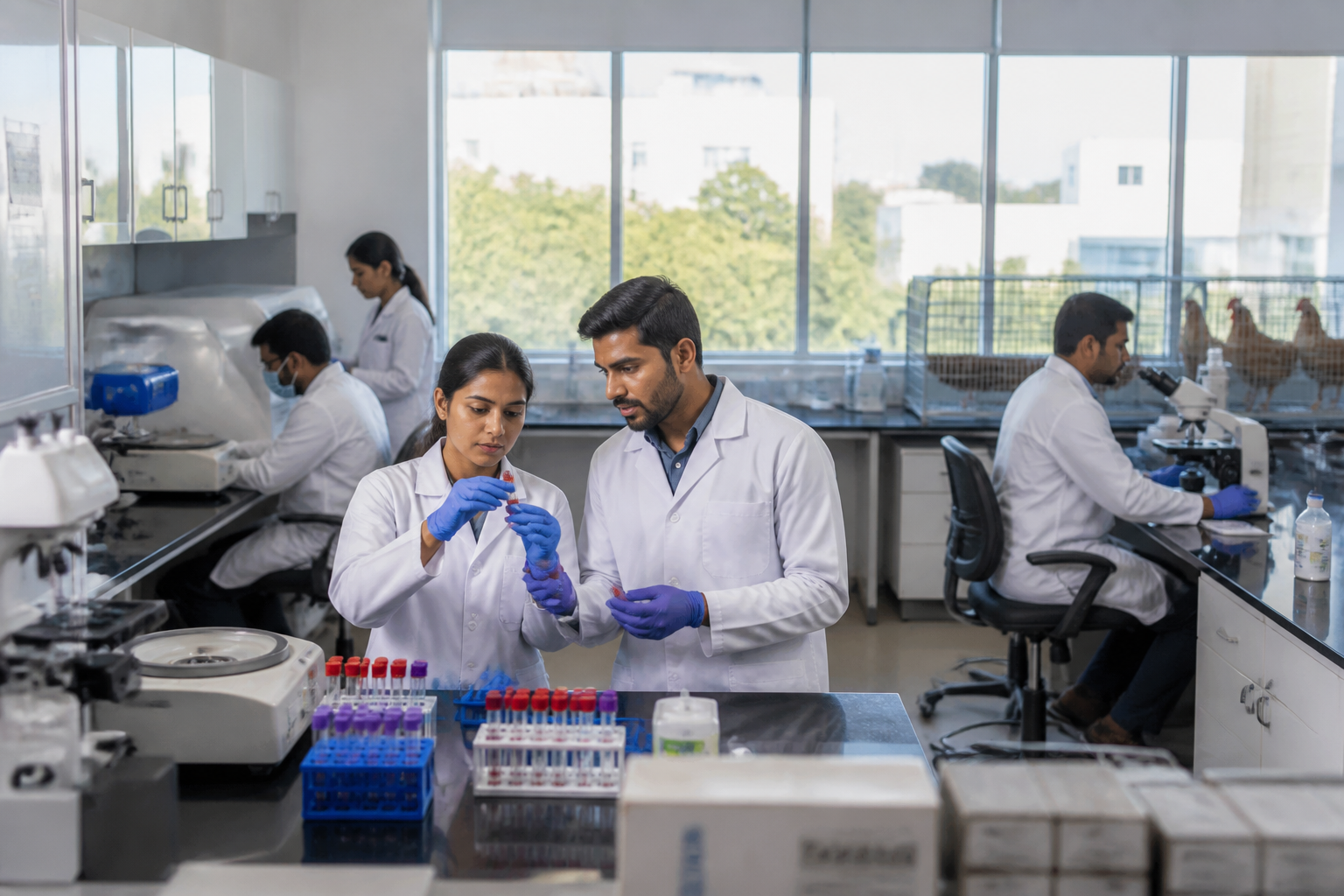
Pune zoonotic disease research is set to receive a new institutional push, with Sassoon General Hospital and the Bharat Ratna Atal Bihari Vajpayee State-Level Animal Husbandry Disease Diagnostic Laboratory in Aundh agreeing to work together on diseases that can pass between humans and animals.
The two institutions held a preliminary meeting on the collaboration on Wednesday. The discussions focused on using joint research to help control infections transmitted from animals to people and from people to animals, according to a report by Loksatta – Pune.
Dr N. S. Sonawane, joint commissioner of the Aundh-based animal husbandry disease diagnostic laboratory, said the meeting and initial discussion were conducted under the One Health concept. The approach recognises the close relationship between human health, animal health and the environment, and seeks to link disease surveillance and treatment across these areas.
The proposed collaboration will connect the animal disease diagnostic work conducted by the animal husbandry department with the human health expertise available at Sassoon Hospital. Information from both institutions is expected to support research into the causes and transmission of diseases that affect humans and animals.
Tuberculosis was cited as one example of a disease found in both humans and animals. The health department holds human samples, while the animal husbandry department has access to samples collected from animals. The institutions plan to exchange research and technology between their laboratories to support the investigation of disease origins.
The collaboration is also expected to include the exchange of laboratory resources and assistance from medical experts. According to information attributed to Sassoon Hospital sources in the report, linking disease diagnosis in animals with treatment and medical expertise in humans could speed up the identification of infections.
The initial discussions included a plan to conduct a detailed study of an affected area at the village level. The proposed field-level work would examine the local spread and conditions associated with an infection, although the report does not identify the village, the disease to be studied first or a timeline for the research.
The initiative comes as health authorities seek to address diseases that move across the human-animal boundary through closer coordination between institutions. Its immediate significance lies in bringing human medical and animal disease laboratories into a common research framework rather than examining the two sources of infection separately.
The institutions are expected to take forward discussions on laboratory cooperation, expert support and the proposed study of an affected area. Further details on the selected location, research protocol and implementation schedule were not provided in the report.

