Pune Southern Command Sharpens Focus On Military Readiness
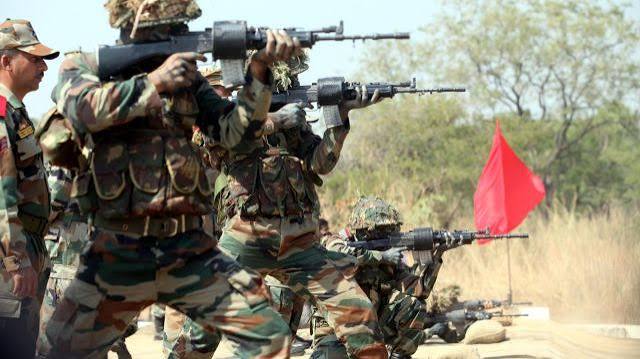
Pune: The Chief of the Army Staff reviewed operational preparedness at the Southern Command headquarters in Pune on Monday, with discussions focusing on training, technology adoption and capability development. The visit comes as militaries worldwide adapt to rapidly changing forms of warfare, increasing the importance of integrated systems, skilled personnel and infrastructure capable of supporting technology-intensive operations.
The Army chief was briefed on the command’s operational environment, preparedness levels and ongoing efforts to strengthen military capabilities. The Southern Command covers a strategically significant area and plays a major role in maintaining the Army’s readiness across its assigned responsibilities. A key focus of the review was the need for training that reflects realistic operational conditions. Modern warfare increasingly combines conventional capabilities with drones, electronic systems, cyber tools, precision technologies and information networks. For military formations, this means that readiness depends not only on equipment but also on how effectively personnel can operate across multiple domains. The leadership also emphasised technology absorption and the continuous refinement of techniques, tactics and procedures. Such changes have an infrastructure dimension for Pune, which hosts a large military ecosystem alongside universities, technology companies and engineering institutions. The city’s broader knowledge economy can potentially support defence-related research, skills development and specialised manufacturing, provided such growth remains compatible with civilian infrastructure and land-use needs.
Greater jointness between the armed forces was another priority. Integrated operations require different services to share information, coordinate systems and train together rather than functioning through isolated capabilities. Defence planners increasingly view interoperability as a core requirement as military operations become more networked and technology-dependent. The push for indigenous capability development also carries an economic implication. Greater domestic production of specialised equipment and systems can strengthen supply-chain resilience and create demand for engineering, electronics, software and precision manufacturing skills. Pune’s established industrial base gives the region a potential role in this wider ecosystem, although converting that potential into durable economic value will require investment in research, skills and supporting infrastructure. The visit also included recognition of veterans through the Yoddha Seva Samman. The awards acknowledged former service personnel involved in areas including veteran welfare, youth development, environmental conservation and community service.
That wider engagement is relevant to Pune, where military institutions have long been part of the city’s civic landscape. The relationship between defence establishments and surrounding communities increasingly involves education, employment, environmental stewardship and public infrastructure as well as security. The Pune Army readiness review therefore extends beyond a routine assessment of military preparedness. It reflects a broader shift towards technology-enabled and integrated defence systems, while highlighting the need for skilled people and resilient infrastructure to support them. For Pune, the challenge will be to accommodate this evolving defence ecosystem while maintaining balanced urban growth, efficient mobility and responsible use of land and resources.