Pune Zoo Expansion Brings Conservation Under Review
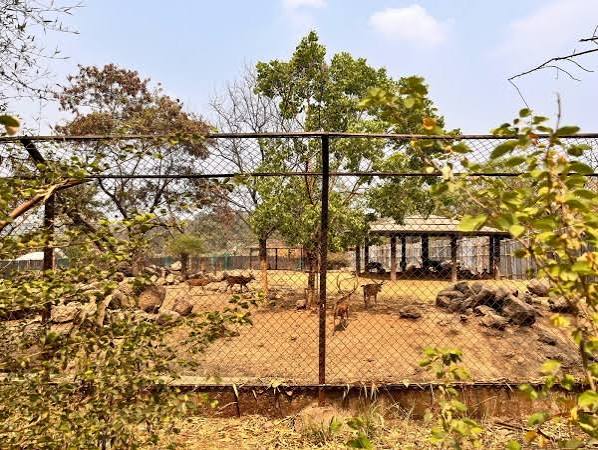
Pune: The Pune Municipal Corporation is reviewing a series of infrastructure upgrades at the Rajiv Gandhi Zoological Park and Wildlife Research Centre in Katraj, with new reptile and bird facilities forming part of the planned expansion. The review also examined animal-care arrangements, placing welfare and conservation alongside visitor infrastructure as the civic body considers how the zoo should evolve.
The municipal commissioner visited the zoological park to assess work already under way and discuss the next phase of development with the zoo administration. Particular attention was given to the proposed Reptile Park, which is intended to replace or significantly improve the existing reptile facility. The proposed Bird Park was also discussed during the review. The facility is expected to provide space for a wider range of bird species while creating opportunities for visitors to learn about habitats, behaviour and conservation. The civic administration has indicated that the project could be completed over the next two years. For Pune, the development is relevant beyond recreation. A zoological park occupies an unusual position in a rapidly urbanising city: it can provide public access to wildlife while also supporting conservation awareness. The quality of that role depends heavily on enclosure design, veterinary care, species management and the educational value offered to visitors.
Urban environmental planners say modern zoo development needs to move away from treating animal facilities simply as attractions. Enclosures need to provide appropriate space, shelter, enrichment and environmental conditions, while visitor circulation should minimise disturbance to animals. Good design can also reduce heat exposure, improve water management and make public areas more accessible. This becomes particularly important as Pune faces rising summer temperatures and increasingly intense rainfall. Large public facilities need infrastructure that can manage stormwater, reduce heat accumulation and use water efficiently. Landscaping can also serve more than an aesthetic purpose if native vegetation is incorporated to provide shade and support local biodiversity. The planned investment could therefore influence how the zoo functions as a public institution. Clear interpretation areas, accessible pathways and well-designed viewing spaces can turn animal exhibits into opportunities for environmental education rather than passive sightseeing.
There is also a need for transparency as the projects progress. Details on project costs, timelines, animal-care standards, ecological design measures and operational capacity will help residents assess whether infrastructure spending is delivering lasting public and conservation value. The Pune zoo upgrade will ultimately be judged not by the scale of new buildings but by the quality of the environment created for animals and people. If conservation, welfare, climate resilience and education are integrated into the design, the expansion could give the city a stronger model for responsible urban wildlife infrastructure. The next two years will therefore be important. Alongside construction, consistent veterinary oversight, habitat management and measurable welfare standards will determine whether the Pune zoo upgrade delivers a meaningful improvement to the city’s relationship with wildlife.