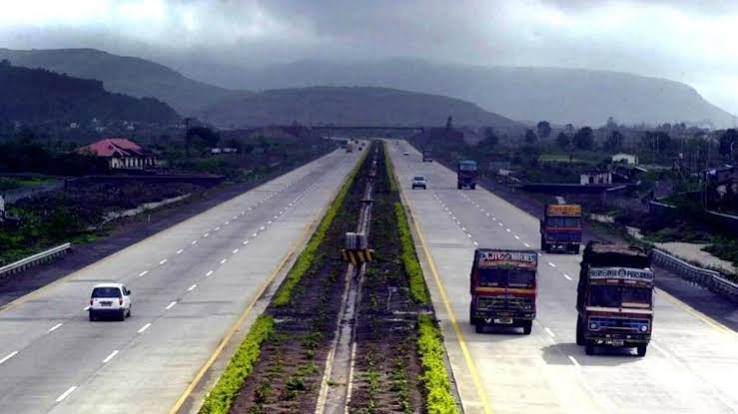
Pune Highway Encroachments Put Road Safety Under Focus
Pune: More than 120 roadside establishments in Pune division have received notices as the state Public Works Department steps up action over alleged occupation of highway land. The drive brings renewed attention to how unplanned roadside development can affect traffic movement, pedestrian safety and stormwater management across a highway network that is increasingly important to Pune’s expanding urban and industrial economy.
The notices were issued during inspections carried out over the past week. The establishments include commercial premises and other structures believed to have extended into the highway right of way — land reserved for the road and its associated infrastructure. Occupants have been asked to remove the identified encroachments within the period specified by the department. Further action could follow where structures remain in place after the notice period, subject to the applicable legal process. The scale of the challenge is significant. Pune district has around 1,825 km of state highways under the PWD network. These roads connect urban centres with industrial areas, residential settlements, agricultural markets and neighbouring districts, making their effective width and accessibility important to both everyday travel and freight movement.
For road users, an encroachment does not have to occupy a large area to create disruption. A shop extension, roadside platform or unauthorised access can reduce visibility or narrow the usable road space. The effect becomes more pronounced when buses, trucks and other heavy vehicles share already-constrained stretches. Drainage adds another layer to the problem. Highway shoulders and roadside drains form part of the system that moves rainwater away from carriageways. When these spaces are blocked or built over, intense rainfall can leave water trapped along roads. Apart from slowing traffic, prolonged waterlogging can weaken pavement and increase risks for people travelling on two-wheelers or walking along the highway. The issue also has an economic dimension. State highways are frequently lined with businesses that depend on passing traffic. Enforcement can improve public infrastructure, but authorities also need to distinguish between unlawful occupation and legitimate commercial activity operating within approved boundaries. Clear demarcation, consistent inspections and adequate notice can reduce uncertainty for both businesses and residents.
Urban transport specialists say highway management should increasingly consider pedestrians and local access rather than treating these corridors only as vehicle routes. Safe walking space, controlled property entrances and functioning drainage can improve road performance without requiring constant widening. The latest Pune highway encroachments drive could therefore have a wider impact if enforcement is sustained beyond individual clearance operations. Regular monitoring can prevent cleared areas from being occupied again, while better roadside planning can protect public land and reduce conflicts between mobility, commerce and drainage. For a rapidly developing region, the objective is not simply to reclaim highway land. The larger task is to keep essential transport corridors safe, accessible and climate-resilient while allowing surrounding communities and businesses to develop within clearly defined rules.