Construction has moved into the ground on Pune’s long-awaited Swargate–Katraj Metro extension, with excavation beginning at the Market Yard station. The 5.46-km underground corridor is intended to extend Pune Metro’s existing southern reach towards Katraj, improving access for densely populated neighbourhoods while shifting more daily trips towards mass public transport.
The first visible phase of construction involves excavation for station shafts, which will eventually allow tunnel boring machines (TBMs) to be lowered underground. Four TBMs are expected to be introduced progressively as work advances. Station construction and tunnelling are planned alongside each other, allowing different sections of the project to progress simultaneously. The Swargate Katraj Metro corridor is planned entirely underground. The approved project comprises three stations at Market Yard, Padmavati and Katraj, with the Union government putting the completion cost at about ₹2,954.53 crore and targeting operations by February 2029. The alignment forms an extension of the existing PCMC–Swargate corridor. For residents, the significance extends beyond reducing journey times. The route passes through heavily built-up areas where road capacity is already under pressure. Better rail connectivity can provide an alternative to private vehicles, particularly for commuters travelling between residential districts, employment areas and major public facilities.
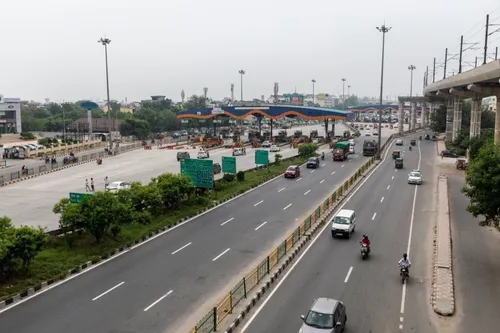
Market Yard adds another layer of importance. It is one of Pune’s major trading areas and generates substantial movement of workers, customers and goods. A metro station in this urban environment could improve access without requiring equivalent expansion of surface road capacity. However, the benefits will depend on safe pedestrian access, convenient interchange with buses and autorickshaws, and station design that works for older people, children and passengers with disabilities. Construction will nevertheless create short-term pressures. Barricades and temporary traffic arrangements have already affected portions of Satara Road, while sections of bus rapid transit infrastructure are being used to accommodate construction activity. Although underground construction limits the need for extensive road excavation, station shafts still occupy valuable surface space during the building period.
The project’s own planning documents indicate that underground construction is substantially more expensive than conventional surface infrastructure, with tunnelling, stations, ventilation, utilities and associated systems forming major components of the cost. The immediate test for the Swargate Katraj Metro will therefore be whether construction can maintain schedule discipline while protecting everyday mobility. For Pune, the longer-term value will lie not simply in adding another rail corridor, but in making the southern city more accessible without continually expanding road space.