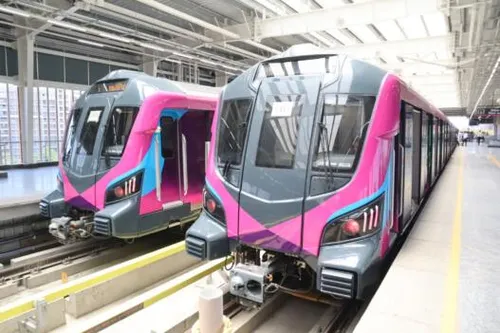
Pune’s third Metro corridor is moving towards passenger operations after the first 12 stations of Line 3 received safety authorisation, bringing a long-awaited public transport option closer to commuters travelling between Maan and Balewadi. The state is now working on the inauguration schedule, with services expected to begin in September if the remaining operational formalities are completed.
The safety clearance, issued by the Commissioner of Metro Rail Safety on July 23, covers the first operational section. The approval followed inspections, trial operations and compliance with safety requirements. However, regulatory clearance does not itself put trains into public service; operational preparations and the formal launch still have to be completed. For commuters, the significance is larger than the opening of another rail line. Hinjawadi is one of Pune’s largest employment clusters, while roads connecting the technology district with Balewadi and central Pune regularly experience heavy traffic. A reliable mass-transit alternative could reduce dependence on private vehicles and make journeys to employment centres less vulnerable to road congestion. The wider Line 3 corridor is planned to connect Hinjawadi with Shivajinagar across about 23.2 km and 23 stations. The project is intended to strengthen public transport access to the Rajiv Gandhi IT Park while providing an alternative to road-based travel.
The first operational section, however, will not provide the full connectivity planned for the corridor. Authorities are seeking safety inspection for additional stations towards Shivajinagar. Officials are continuing with outstanding works and regulatory processes before the next section can be opened. That staged rollout matters for Pune’s transport economics. A partial line can provide immediate benefits to commuters in the western corridor, but its usefulness will increase substantially once it links employment areas with residential neighbourhoods and major city destinations. Until then, many passengers may still need buses, two-wheelers, cars or other forms of last-mile transport.
The project has also faced delays against earlier timelines, making the transition from construction to reliable operations particularly important. The next phase will require more than an inauguration ceremony. Station access, service frequency, pedestrian connections and integration with buses and other public transport will determine how effectively the corridor changes everyday travel. For Pune Metro Line 3, the immediate task is therefore to convert regulatory readiness into dependable passenger service. The longer-term measure of success will be whether the corridor reduces travel pressure on roads, improves access to jobs and supports a cleaner, more connected pattern of urban growth.