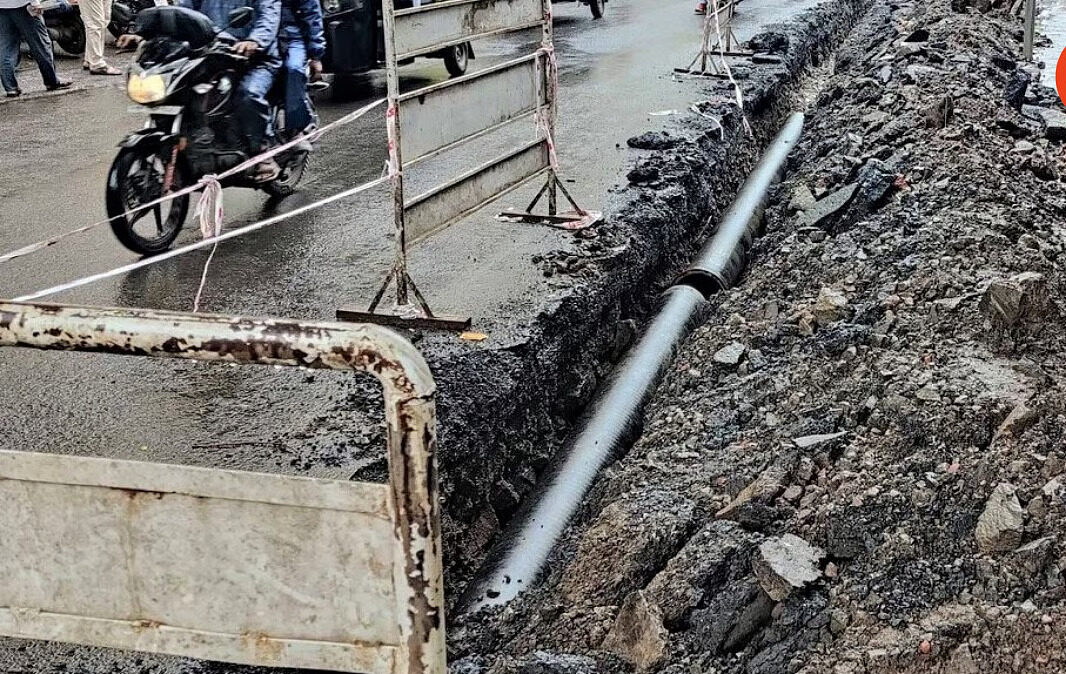
Pune Municipal Corporation (PMC) has introduced a stringent “No Excuse” policy to prevent damage to newly resurfaced roads, enforcing fines up to ten times the cost of the affected work. The initiative targets recurring issues where freshly paved streets are excavated soon after completion for utility maintenance, cable laying, or pipeline installation, undermining public investments and road durability.
The policy emerges ahead of the Pune Grand Challenge, an international cycling event scheduled for January. To ensure uninterrupted access for participants and visitors, PMC has undertaken resurfacing of critical city routes. Tenders totalling ₹145 crore have been floated to upgrade approximately 75 km of roads, with completion targeted by November. Officials highlighted that previous infrastructure investments faced setbacks due to poor inter-departmental coordination. In the past, approximately ₹300 crore was allocated to asphalt over 100 km of city roads, but subsequent excavations by municipal and utility departments nullified the Defect Liability Period, shifting financial responsibility to the civic body.
Under the new framework, any department or agency found digging freshly paved roads will be held accountable through financial penalties and administrative scrutiny. The measure applies to maintenance works for sewage, water pipelines, drainage systems, and other utility services. Officials emphasised that underground infrastructure projects must be completed before resurfacing commences to prevent repetitive damage and ensure long-lasting roads. Experts overseeing the initiative noted that the policy represents a paradigm shift in civic accountability, aiming to integrate departmental planning and streamline project timelines. “Ensuring durable roads requires coordinated efforts and strict adherence to schedules. This policy sends a clear message that inefficiencies will not be tolerated,” said an official from PMC’s Engineering Department.
The initiative is also seen as a step toward sustainable urban infrastructure. By limiting repetitive excavations, the city expects a reduction in construction-related carbon emissions and resource wastage. Durable, well-coordinated roadwork aligns with Pune’s vision of zero-carbon and gender-neutral urban spaces, providing safe, equitable access for all commuters, including pedestrians and cyclists. With the Grand Challenge drawing international attention, the PMC hopes the combined approach of heavy penalties, departmental coordination, and pre-event road upgrades will set a benchmark for urban road management. Officials believe this model can serve as a blueprint for other Indian cities struggling with similar coordination challenges, demonstrating that stringent policies coupled with strategic planning can preserve public infrastructure while promoting sustainable urban mobility.
Pune Imposes Ten Times Penalty On Departments Digging Newly Paved Roads