Pune Dengue Surge Puts Civic Prevention Under Pressure
Pune’s monsoon has brought a sharp rise in suspected dengue infections, pushing mosquito control back to the centre of the city’s public-health response. The Pune Municipal Corporation has recorded 1,155 suspected cases this year, including 484 in August, while 47 have been laboratory-confirmed. The increase is also exposing how drainage, waste disposal and routine maintenance of public spaces can directly affect urban health.
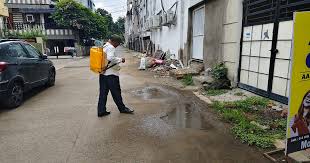
The latest civic review shows the monthly trend clearly. Suspected cases rose from 175 in June to 323 in July before reaching 484 in August. Kothrud accounted for 121 suspected cases in August, while the Nagar Road–Wagholi area recorded 102. Two suspected dengue-related deaths have also been referred for assessment by the district-level death audit committee. The Pune dengue surge is not simply a healthcare issue. Mosquitoes can breed in small quantities of stagnant water, including discarded containers, coconut shells, unused vehicles, construction material and poorly maintained water storage areas. That makes waste collection, stormwater management and property maintenance part of disease prevention rather than separate municipal functions. The civic administration has asked departments to inspect their respective areas and remove water-holding sites. The solid-waste team has been told to clear discarded materials from public locations, while the anti-encroachment department has been asked to ensure seized goods do not become temporary reservoirs after rainfall. Audio messages on waste-collection vehicles are also being used to reinforce public awareness.
There is a wider capacity question. Earlier in August, the corporation reported 1,708 mosquito-breeding locations identified during inspections of homes, offices, educational institutions and other premises. At the same time, the civic mosquito-control programme has faced manpower constraints, with plans for additional contractual workers being discussed. For a rapidly expanding city, these figures point to the value of prevention that begins with the built environment. New housing, commercial areas and infrastructure need functioning drainage, covered water systems and reliable waste services. Without those basics, disease-control efforts remain reactive and labour-intensive.
The Pune dengue surge also underlines the importance of accurate disease surveillance. Four laboratories have received notices over incomplete patient information, according to civic officials. Better reporting allows health teams to identify clusters sooner and direct inspections towards locations where intervention can have the greatest effect. The next challenge is sustaining that response after the immediate monsoon spike. A city that combines reliable waste and drainage systems with timely health data can reduce both disease exposure and the recurring public cost of emergency intervention.