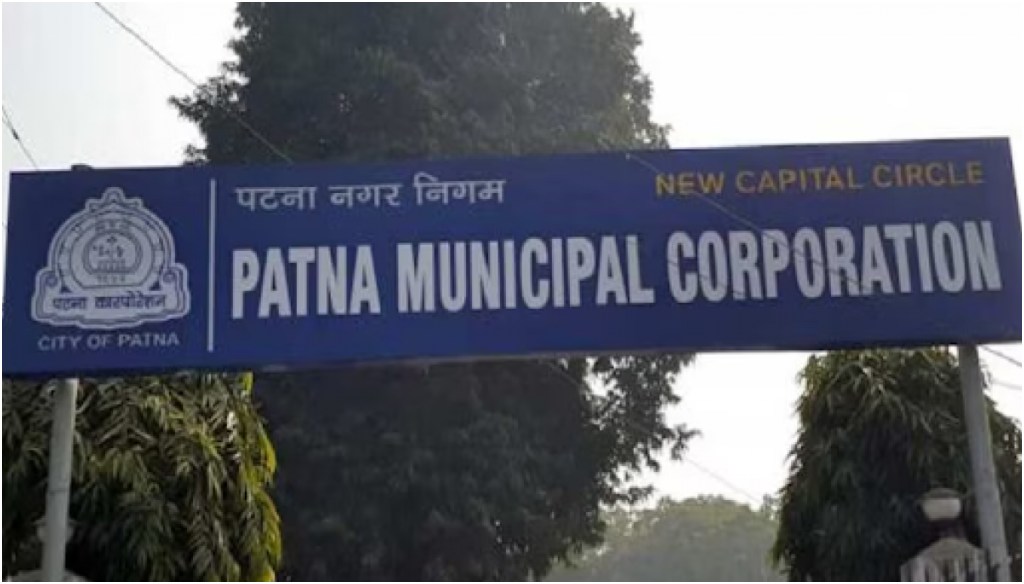
Patna is preparing to enter India’s evolving municipal finance market with a proposed ₹200 crore bond issuance, a move that signals a shift in how cities fund infrastructure and manage urban growth. The initiative, cleared at the state level, is expected to channel private capital into civic projects while reducing dependence on traditional government grants.
The proposed issuance by the Patna Municipal Corporation comes at a time when Indian cities are under increasing pressure to expand infrastructure without corresponding increases in fiscal transfers. Municipal bonds—long used in global markets—are emerging as an alternative financing tool for urban local bodies seeking predictable, long-term capital. Officials indicate that proceeds from the bond issue will be directed towards core urban services such as road upgrades, drainage systems and water supply networks—areas that have struggled to keep pace with Patna’s expanding population and spatial footprint. For a city like Patna, where public finances remain constrained and revenue streams are heavily reliant on intergovernmental transfers, the move represents a structural transition. Data shows that municipal revenues in the city have historically depended significantly on grants rather than locally generated income, limiting the scale and speed of infrastructure delivery. Urban economists note that the success of the municipal bonds initiative will hinge on investor confidence, which in turn depends on financial transparency, creditworthiness and project viability.
Cities that have accessed bond markets effectively have typically demonstrated strong accounting practices and ring-fenced revenue streams for repayment. Without these, borrowing costs can rise, undermining the financial sustainability of such instruments. The Patna municipal bonds proposal also reflects a broader national trend, where cities are gradually diversifying funding sources to support capital-intensive projects. Comparable issuances in other Indian cities have shown that investor appetite exists, particularly when funds are linked to tangible infrastructure outcomes and structured with fiscal safeguards. From an urban development standpoint, the implications extend beyond financing. Access to capital markets could enable more predictable project pipelines, reduce delays and improve service delivery in rapidly urbanising zones. However, experts caution that bond-funded expansion must be aligned with long-term planning frameworks to avoid fragmented growth and infrastructure duplication. There are also emerging opportunities to align municipal financing with sustainability goals. Globally, cities are increasingly issuing green or climate-linked bonds to fund low-carbon transport, water management and resilient infrastructure. While Patna’s current proposal focuses on conventional urban projects, future issuances could integrate climate-sensitive design, particularly in flood-prone and high-density areas.
For residents, the outcome will ultimately be measured in improved urban services and reduced infrastructure gaps. But the transition to market-based financing introduces new accountability mechanisms, requiring civic authorities to balance financial discipline with inclusive development. As Patna moves forward with its municipal bonds strategy, its ability to translate financial innovation into equitable and resilient urban outcomes will determine whether the model can be scaled across similar mid-sized Indian cities.