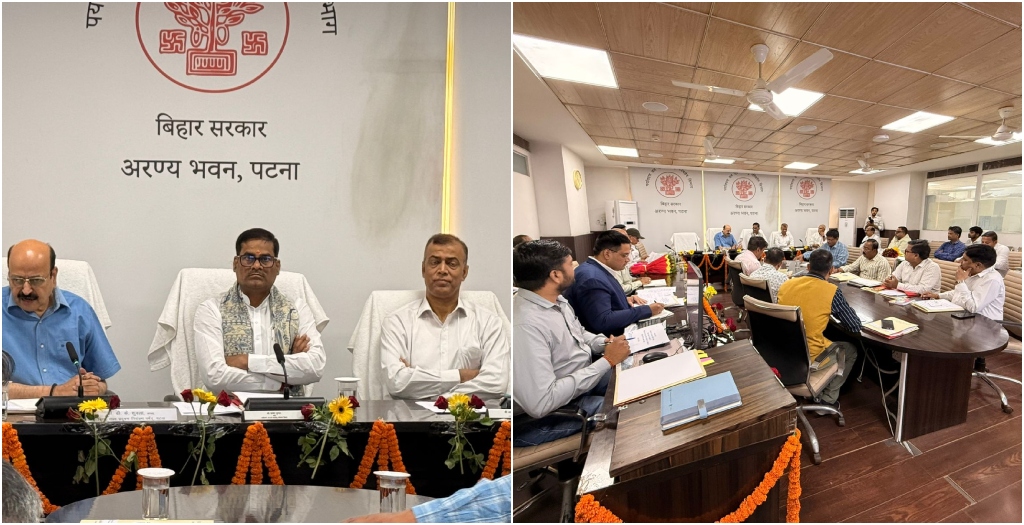
Bihar has initiated a sweeping overhaul of its urban governance framework by mandating audits of all urban local bodies through auditors empanelled by the Comptroller and Auditor General of India, marking a significant shift towards tighter financial oversight and accountability. The move is expected to impact hundreds of civic institutions across the state, including municipal corporations, councils and nagar panchayats.
The decision brings all urban local bodies under a uniform audit system aligned with national accounting standards, replacing earlier practices where audits were largely conducted by private chartered accountants. Officials indicate that the audits will follow the National Municipal Accounts Manual, introducing greater consistency in financial reporting and scrutiny. The scale of the reform is substantial. Bihar currently has 19 municipal corporations, 89 municipal councils and over 150 nagar panchayats, all of which will now be subject to this enhanced audit mechanism. This expansion of oversight reflects a broader administrative push to strengthen financial discipline in urban governance, particularly as cities handle increasing volumes of public expenditure. From a governance perspective, the shift to CAG-linked audits represents a move towards institutional standardisation. Audit systems under the national framework are typically more rigorous, with defined compliance benchmarks and reporting structures that can identify irregularities, delays and inefficiencies in fund utilisation. Experts note that such mechanisms are critical in ensuring that public funds allocated for infrastructure, sanitation and urban services are deployed effectively.
The reform also comes at a time when Bihar is accelerating its urbanisation agenda. With urban population levels still below the national average, the state is planning new townships, expanding infrastructure and upgrading civic services. Strengthened financial oversight is seen as essential to managing this transition, particularly in preventing leakages and ensuring project accountability. Urban finance specialists highlight that weak audit systems have historically been a challenge across many Indian cities, leading to gaps in revenue tracking, delayed reporting and limited transparency. By integrating urban local bodies into a more formal audit structure, Bihar could improve investor confidence, particularly as cities explore alternative financing mechanisms such as municipal bonds and public-private partnerships. The implications extend beyond financial governance. Improved audit systems can enhance service delivery by ensuring that funds allocated for roads, water supply, waste management and housing are utilised efficiently. This, in turn, can contribute to more equitable urban development, particularly in smaller towns that often face capacity constraints.
However, experts caution that audits alone cannot resolve systemic challenges. Institutional capacity, digital record-keeping and inter-departmental coordination will play a critical role in ensuring that audit findings translate into actionable reforms. Without follow-through, even robust audit mechanisms risk becoming procedural exercises rather than tools for transformation. The move also aligns with a growing national emphasis on transparency in urban governance, where data-driven decision-making and financial accountability are increasingly seen as foundational to sustainable city development. As Bihar rolls out this audit framework, the focus will shift to implementation and compliance. If effectively executed, the initiative could set a precedent for other states seeking to strengthen governance at the city level while balancing rapid urban expansion with accountability and long-term resilience.