Patna Metro Expansion Strengthens Urban Connectivity
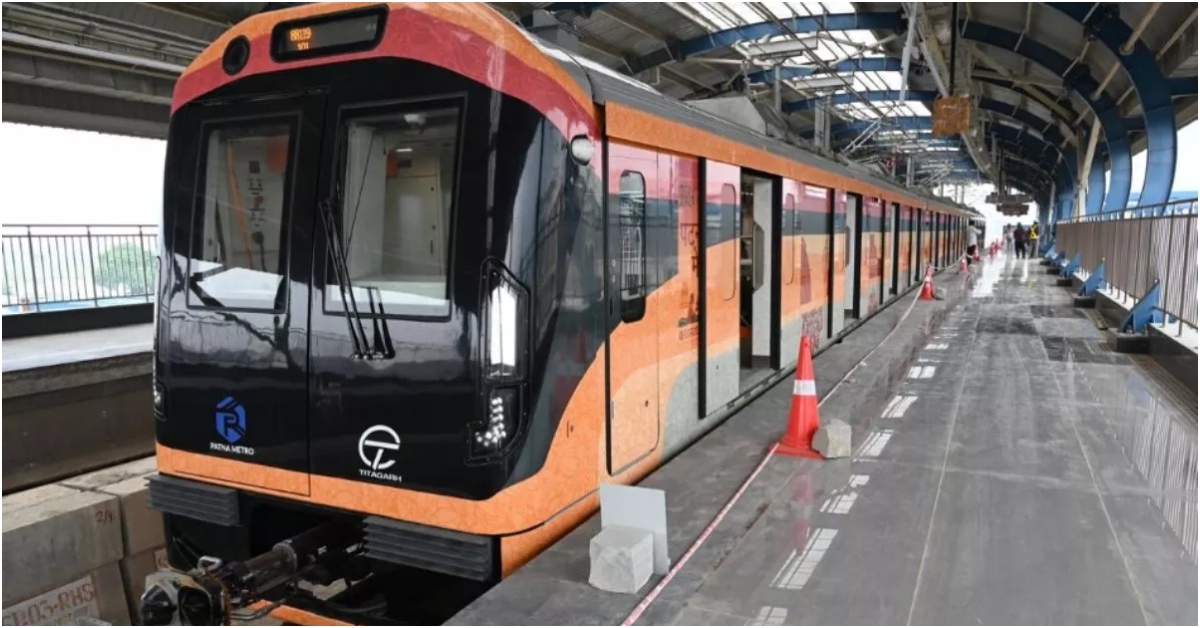
Patna’s metro network has moved a step closer to wider public operations with the elevated Malahi Pakri station now ready for service, marking a key milestone in the city’s evolving mass transit infrastructure. The development is expected to strengthen connectivity along the priority corridor and support a gradual shift towards more efficient, high-capacity urban mobility systems.
The station forms part of the eastern stretch of the Patna Metro’s Corridor 2, a strategically significant route designed to link dense residential clusters with emerging transit hubs. Officials indicate that civil, structural and system-level works at the station have been completed, with operations pending final clearances and integration into the broader network. The Malahi Pakri node sits within the metro’s “priority corridor,” an elevated section connecting key stations such as Bhootnath, Zero Mile and the Inter-State Bus Terminal (ISBT). This stretch, spanning roughly 6–7 km, is being operationalised in phases to ensure early benefits for commuters while the larger network continues construction. Urban transport experts view the readiness of the station as a turning point for Patna’s mobility landscape. Historically dependent on road-based transport, the city has struggled with congestion, long travel times and limited public transport options. The metro system, once fully operational, is expected to reduce traffic pressure on arterial corridors while improving travel reliability across high-density neighbourhoods.
The Malahi Pakri station is particularly significant due to its location in the Kankarbagh area—one of Patna’s most densely populated residential zones. Improved connectivity here could enhance access to employment hubs, educational institutions and commercial centres, potentially reshaping daily commuting patterns. From an infrastructure planning perspective, the phased rollout reflects a broader strategy seen across Indian metro projects—prioritising operational segments that deliver immediate impact while maintaining construction momentum on remaining stretches. This approach not only builds public confidence but also allows authorities to test systems, manage demand and refine operations before full-scale expansion. The metro project also aligns with sustainability and climate goals. By offering a reliable alternative to private vehicles, it has the potential to reduce vehicular emissions, lower fuel consumption and improve urban air quality over time. However, planners caution that these benefits will depend on integration with last-mile connectivity systems such as buses, e-rickshaws and pedestrian infrastructure.
Economically, the activation of new metro stations often triggers increased real estate activity in surrounding areas. Improved accessibility tends to drive demand for both residential and commercial developments, particularly along transit corridors. In Patna, this could lead to more structured urban expansion, provided land-use planning keeps pace with infrastructure growth. As final approvals are awaited, the focus will shift to operational readiness, safety certification and commuter awareness. The launch of the Malahi Pakri station is expected to add momentum to the broader Patna Metro project, reinforcing its role as a critical backbone for the city’s future mobility.