


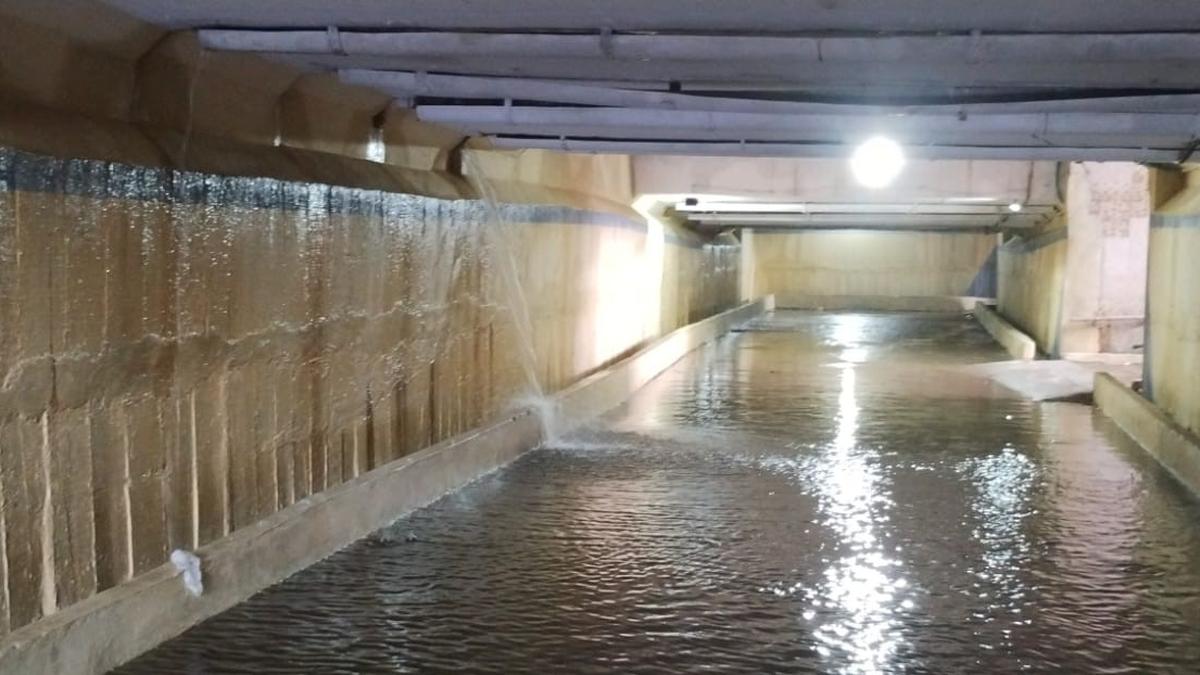
A recurring water leakage issue at a key subway in Chennai’s Saidapet area has drawn judicial attention, prompting civic and infrastructure agencies to respond to concerns over safety and maintenance. The development highlights persistent gaps in urban drainage systems and inter-agency coordination in one of the city’s busy transport corridors.
The affected subway, a critical connector for daily commuters, has reportedly been experiencing water seepage that disrupts movement and raises safety risks. The situation has brought the spotlight on Chennai subway water leakage, particularly how infrastructure designed for mobility is being compromised by underlying service deficiencies.Authorities from multiple agencies, including railways, municipal bodies, and water management departments, have been asked to examine the issue and clarify responsibilities. The involvement of several entities reflects the complexity of urban infrastructure systems, where overlapping jurisdictions can delay problem resolution and accountability.Urban planners note that Chennai subway water leakage is often linked to inadequate stormwater drainage, ageing pipelines, or unregulated construction activities that interfere with underground utilities. In high-density areas like Saidapet, where multiple infrastructure layers coexist, even minor faults can escalate into recurring disruptions.For commuters, the impact is immediate and tangible. Water accumulation within subways can hinder vehicle movement, increase the risk of accidents, and create unhygienic conditions for pedestrians. During periods of rainfall, these challenges are often amplified, turning routine travel into a safety concern.
The issue also raises broader questions about infrastructure resilience in Chennai. As the city expands and modernises, ensuring that existing systems are upgraded and maintained becomes as important as building new assets. Neglecting maintenance can undermine the effectiveness of infrastructure investments and reduce their lifespan.From a governance perspective, the situation underscores the need for integrated planning and clear delineation of responsibilities among agencies. Coordinated action, supported by real-time monitoring and maintenance protocols, is essential to prevent recurring issues such as water leakage in critical transport infrastructure.Environmental factors further complicate the challenge. Changing rainfall patterns and increased intensity of precipitation events are placing additional stress on drainage systems.Without adequate upgrades, cities risk facing more frequent disruptions linked to waterlogging and leakage.Experts suggest that long-term solutions should include comprehensive drainage audits, modernisation of underground utilities, and the adoption of climate-resilient design standards. Incorporating such measures into urban planning can help cities better withstand environmental and infrastructural pressures.
As authorities move to address the issue, the focus will be on identifying root causes and implementing sustainable fixes rather than temporary solutions. The handling of the Chennai subway water leakage case could set a precedent for how similar infrastructure challenges are managed across the city.
Also Read:Chennai Sees Surge In Flexible Higher Education Demand
