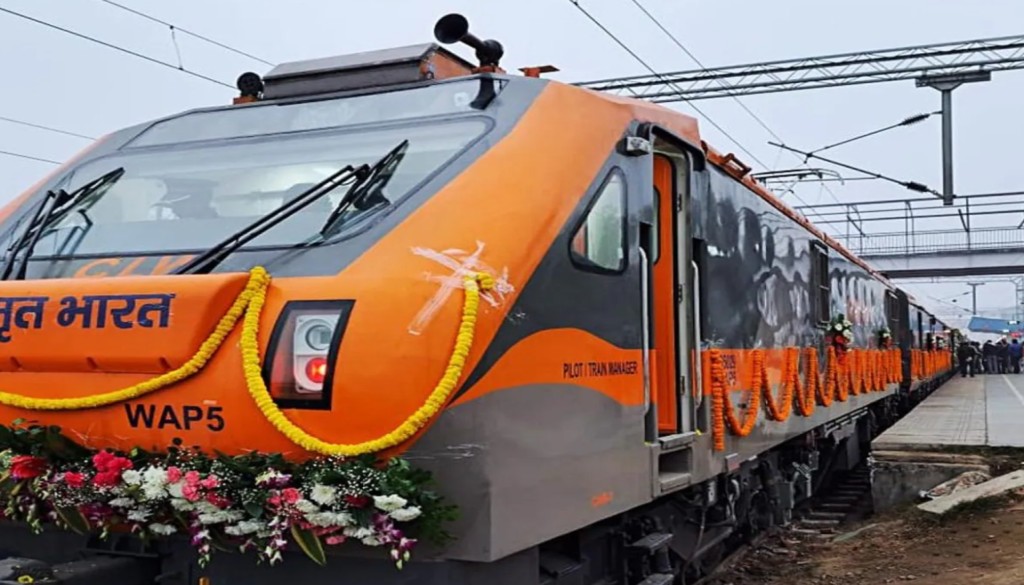
Patna Railways Boost Connectivity For Exam Candidates
Indian Railways has announced a series of special train services across Bihar to manage the surge in passenger demand during the upcoming Assistant Education Development Officer (AEDO) examinations, signalling a targeted approach to mobility planning during peak exam cycles. The move is expected to ease travel pressures across key routes connecting major districts to examination centres, particularly in and around Patna.
The decision comes in response to a sharp increase in candidate movement across the state, with multiple exam dates scheduled through mid-April. Railway officials indicate that additional services will operate on high-demand corridors linking cities such as Muzaffarpur, Darbhanga, Samastipur and Bettiah to Patliputra and adjoining nodes. These exam-specific services are designed to align with reporting times, ensuring that candidates can reach centres without relying on overcrowded regular trains or last-minute private transport. In some cases, existing train schedules have also been adjusted to accommodate higher passenger volumes and improve accessibility near examination hubs. The initiative highlights how transport systems are increasingly being calibrated around episodic demand patterns, such as large-scale competitive examinations. In Bihar, where government recruitment tests draw candidates from both urban and rural areas, such demand spikes can significantly strain existing infrastructure. Running dedicated services helps reduce congestion, improve safety and enhance overall travel reliability.
From an urban mobility perspective, the intervention reflects a broader need for flexible and responsive transport planning in emerging cities. Exam-related travel often places pressure not only on rail networks but also on last-mile connectivity, including buses, auto-rickshaws and shared mobility systems. Without coordinated planning, these spikes can lead to congestion, delays and increased costs for travellers. Officials suggest that the scheduling of these trains has been designed to ensure arrival at key stations well ahead of exam timings, reducing uncertainty for candidates. The focus on synchronisation between transport availability and institutional schedules is seen as a critical factor in improving accessibility, particularly for candidates travelling long distances. The move also carries economic implications. Affordable and reliable transport reduces barriers to participation in competitive examinations, particularly for candidates from smaller towns and rural areas. Improved access can contribute to more equitable participation in public sector recruitment processes, which remain a key source of employment in the region.
Urban planners note that such interventions offer insights into how infrastructure systems can be designed for inclusivity. Temporary measures like special trains, if supported by data and planning, can serve as models for managing other high-demand events, including festivals, seasonal migration and large public gatherings. At a systems level, the initiative underscores the importance of integrating transport planning with social infrastructure. As cities like Patna continue to grow, aligning mobility services with education, employment and civic functions will be essential to ensuring equitable access and efficient urban functioning. As the examination period progresses, the effectiveness of these special train services will depend on execution, coordination and passenger awareness. If managed well, the approach could reinforce the role of railways as a responsive backbone of regional mobility, capable of adapting to dynamic demand patterns in rapidly evolving urban environments.