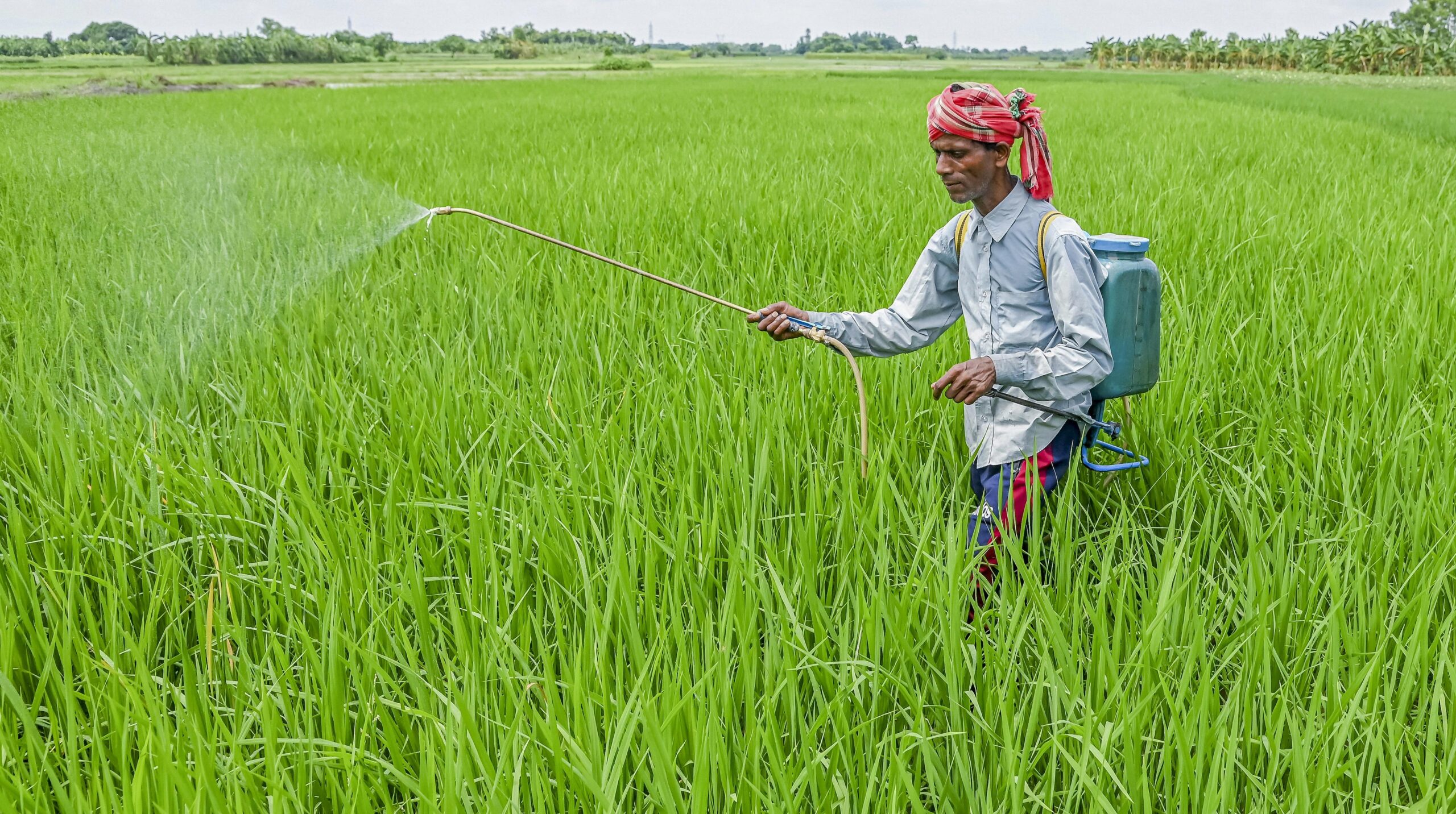
Bihar is likely to experience a below-normal monsoon in 2026, according to early projections from the India Meteorological Department (IMD), raising concerns over water availability, agricultural output and climate resilience across the state. The forecast aligns with a broader national trend of subdued rainfall, signalling potential stress on both rural and urban systems dependent on seasonal precipitation.
Preliminary estimates indicate that rainfall during the June–September monsoon season could fall below long-term averages, with national levels projected at around 92% of the historical benchmark. This places the season in the “below normal” category, a classification that typically reflects emerging climatic disruptions rather than isolated variability. Meteorological assessments point to multiple global drivers behind the Bihar monsoon forecast, most notably the likely development of El Niño conditions during the latter half of the season. This warming pattern in the Pacific Ocean is historically associated with weaker monsoon performance across the Indian subcontinent. Additional factors such as neutral Indian Ocean Dipole conditions and lower-than-average snow cover in the northern hemisphere are also expected to influence rainfall distribution. For Bihar, where agriculture remains deeply dependent on rainfall, the implications are immediate. A significant share of cultivated land lacks assured irrigation, making crop cycles vulnerable to both rainfall deficits and uneven distribution. Experts note that even moderate shortfalls can affect sowing patterns, soil moisture and yield stability, particularly during the critical kharif season.
Urban centres such as Patna may face a different but equally complex set of challenges. Reduced rainfall can strain groundwater recharge and urban water supply systems, while also increasing heat stress during peak summer months. Recent weather patterns already indicate rising temperatures and extended dry spells across parts of the state, reinforcing concerns around climate variability. The Bihar monsoon forecast also carries macroeconomic implications. Monsoon performance plays a central role in influencing food prices, rural demand and energy consumption. Lower rainfall can reduce hydroelectric output and increase dependence on groundwater extraction, raising both environmental and economic costs. Urban planners and climate experts emphasise that such forecasts should be viewed as planning signals rather than deterministic outcomes. While aggregate rainfall may be below normal, intra-seasonal distribution—when and where rain occurs—often determines the actual impact. Well-distributed rainfall can mitigate deficits, whereas prolonged dry spells followed by intense downpours can exacerbate flooding and infrastructure stress.
This underscores the need for integrated planning across sectors. Investments in water conservation, decentralised storage, climate-resilient agriculture and urban drainage systems are becoming increasingly critical as weather patterns grow more unpredictable. As Bihar enters the pre-monsoon period, policymakers and local administrations are expected to monitor updated forecasts and prepare contingency measures. The coming weeks will be crucial in shaping adaptive responses that balance immediate risks with long-term resilience in a state navigating both climatic uncertainty and rapid development pressures.