Patna Monsoon Preparedness Focuses On Urban Drainage
Patna’s municipal authorities have accelerated sanitation and drainage preparedness efforts ahead of the monsoon, reflecting a growing recognition that urban resilience hinges as much on routine civic systems as on large-scale infrastructure. The intensified drive, now underway across multiple wards, focuses on cleaning drains, removing silt, and managing solid waste to reduce seasonal flooding and public health risks.
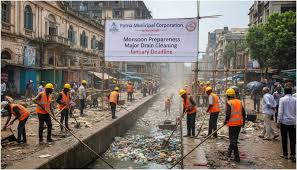
The initiative, led by the city’s municipal body, includes large-scale desilting of drainage networks and clearance of garbage from key water channels. Officials are deploying additional manpower and machinery to fast-track operations, particularly in waterlogging-prone areas that have historically disrupted mobility and daily life during heavy rains. This year’s push comes against the backdrop of recurring monsoon-related disruptions in Patna, where even moderate rainfall has previously led to widespread water accumulation. Urban planners note that such challenges are not solely due to rainfall intensity but are often linked to clogged drainage systems, unplanned construction, and inadequate waste management practices. The sanitation drive also reflects an attempt to integrate public health considerations into infrastructure planning. Stagnant water in blocked drains has been a persistent breeding ground for vector-borne diseases such as dengue and malaria. By prioritising drain cleaning and waste removal, the administration aims to mitigate these risks before the onset of peak rainfall.
However, the scale of the challenge extends beyond pre-monsoon interventions. Patna’s drainage system, much of which was designed for a smaller population, is under increasing strain from rapid urbanisation and densification. Informal settlements, encroachments along drains, and the mixing of solid waste with wastewater have further reduced the system’s efficiency. Recent coordination between municipal authorities and state infrastructure agencies has emphasised time-bound completion of drainage upgrades, including repairs to pumping stations, sluice gates, and stormwater channels. These efforts are intended to ensure that water can be evacuated quickly during heavy rainfall, reducing the likelihood of prolonged flooding. Yet, experts caution that short-term cleaning drives, while necessary, cannot substitute for structural reforms. Sustainable urban drainage requires a shift towards integrated planning—combining grey infrastructure with nature-based solutions such as permeable surfaces, urban wetlands, and decentralised water retention systems. Without such measures, cities risk entering a cycle of reactive maintenance rather than long-term resilience.
There is also a behavioural dimension. Civic officials have repeatedly highlighted the role of residents in preventing waste from entering drains, as improper disposal remains a major cause of blockages. Strengthening citizen participation and accountability is increasingly seen as essential to maintaining urban systems. As the monsoon approaches, Patna’s sanitation drive offers a snapshot of the broader challenges facing Indian cities—balancing immediate preparedness with the need for systemic transformation. The effectiveness of these measures will ultimately be tested not just by rainfall levels, but by how well the city’s infrastructure can sustain both environmental pressures and the demands of a growing population.