


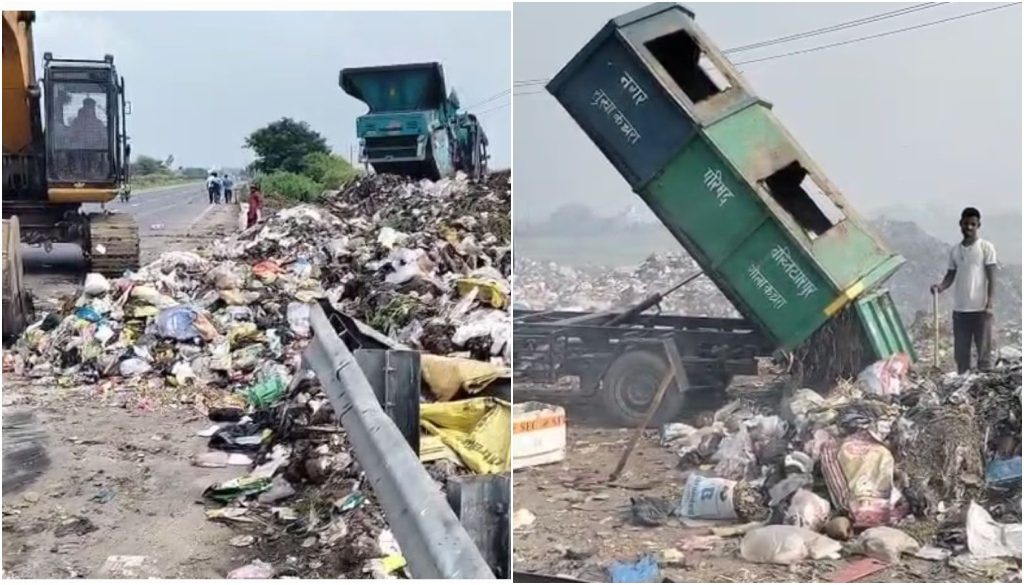
Patna’s municipal administration has cleared 85 identified garbage accumulation points across the city under an intensified sanitation campaign, highlighting both progress and persistent gaps in urban waste management systems. The exercise, carried out under a nationwide cleanliness initiative, reflects the growing urgency to address solid waste challenges in fast-expanding cities.
According to officials, the clean-up targeted multiple high-dumping locations spread across key administrative zones, with the highest concentration of cleared sites in newly developed and densely populated areas. The operation combined municipal workforce deployment with community participation, indicating a shift towards shared responsibility in maintaining urban sanitation. These garbage points—often referred to as informal dumping hotspots—have long been a structural issue in Patna’s urban landscape. Despite the existence of door-to-door waste collection for households and dedicated systems for commercial establishments, open dumping continues to emerge in vacant plots, roadsides, and even drainage channels. Urban planners suggest that such recurring patterns point to a deeper mismatch between infrastructure provision and behavioural compliance. While cities invest in collection and transport systems, the absence of sustained monitoring, segregation practices, and citizen accountability often leads to the reappearance of waste sites soon after clearance.
The current drive is not an isolated effort. Municipal data indicates that hundreds of similar garbage points have been removed in earlier campaigns, yet new sites continue to surface, underscoring the cyclical nature of the problem. This raises questions about the long-term effectiveness of periodic clean-up exercises without systemic reforms in waste processing and enforcement. From an environmental perspective, unmanaged waste in urban areas contributes to multiple risks—ranging from groundwater contamination to blocked drainage systems that exacerbate flooding during the monsoon. In cities like Patna, where drainage infrastructure is already under pressure, the linkage between solid waste and urban flooding is becoming increasingly evident. The initiative also intersects with broader policy shifts. Bihar has recently moved towards stricter solid waste management frameworks, emphasising segregation at source, accountability for bulk waste generators, and data-driven monitoring systems. However, translating these regulatory frameworks into on-ground behavioural change remains a key challenge.
Experts argue that sustainable urban sanitation requires moving beyond episodic drives towards integrated waste ecosystems. This includes decentralised processing, material recovery facilities, and incentives for segregation at the household level. Equally important is the redesign of public spaces to eliminate conditions that enable informal dumping—such as poorly maintained vacant land and unregulated construction debris. There is also a governance dimension. Strengthening ward-level accountability, leveraging digital tracking tools, and enforcing penalties for illegal dumping can help shift the focus from reactive clean-ups to preventive management. As Patna continues to expand, the effectiveness of such sanitation drives will ultimately depend on whether they can evolve into sustained systems rather than one-time interventions. The city’s ability to maintain these reclaimed spaces—and prevent their relapse into dumping grounds—will be a key indicator of progress towards cleaner, more resilient urban living.
Also Read: Patna Monsoon Preparedness Focuses On Urban Drainage
Patna Cleanliness Drive Targets Urban Waste Hotspots
