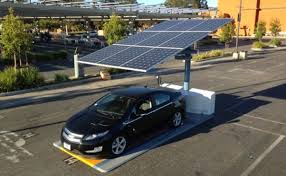
Patna is set to roll out a city-wide network of 58 solar-powered electric vehicle (EV) charging stations, marking a significant shift in how the state capital is preparing for low-emission urban mobility. The initiative, spanning both urban and peripheral areas, reflects an effort to bridge infrastructure gaps that have slowed EV adoption despite rising demand.
District authorities have identified 58 locations across key residential, commercial, and transit corridors where the charging stations will be installed. These include high-density neighbourhoods and mobility hubs such as Kankarbagh, Boring Road, Danapur, and Saguna Mor, along with extended coverage in nearby towns to support regional connectivity.Each facility will be powered by solar energy and equipped with multiple charging points capable of serving a range of vehicles—from two-wheelers and auto-rickshaws to cars and buses. The Patna EV charging network is expected to offer both slow and fast charging options, addressing the varied needs of urban commuters and commercial operators.The move comes at a time when EV ownership in the city has been steadily increasing, yet public charging infrastructure remains limited. Currently, only a handful of operational charging stations exist, forcing most users to rely on home-based charging. The expansion aims to reduce this dependency and provide accessible, round-the-clock charging—an essential factor in making electric mobility viable at scale.
From an urban planning perspective, the Patna EV charging network highlights a transition towards cleaner transport systems but also raises questions about long-term integration. Experts note that the placement of charging stations plays a critical role in their effectiveness. Factors such as population density, proximity to commercial zones, and connectivity to the power grid influence usage patterns and overall efficiency. The adoption of solar-powered systems adds an important sustainability dimension. By reducing reliance on conventional electricity sources, the network aligns with broader climate goals and helps lower the carbon footprint associated with EV charging. However, experts caution that renewable integration must be complemented by grid stability measures and storage solutions to ensure consistent performance. There are also economic implications. Expanding charging infrastructure can stimulate new business ecosystems—from maintenance services to energy management—while supporting job creation. At the same time, the prepaid operational model proposed for these stations suggests a shift towards user-funded infrastructure, potentially improving financial sustainability.
Yet, challenges remain. Land availability, maintenance standards, and interoperability between different EV models will determine how effectively the network functions. Moreover, without parallel investments in public transport electrification and last-mile connectivity, the broader environmental benefits may remain limited. As construction is expected to begin in the coming months, the success of the Patna EV charging network will depend not just on the number of stations installed, but on how seamlessly they integrate into the city’s evolving mobility ecosystem. If executed effectively, the initiative could serve as a template for mid-sized Indian cities seeking to transition towards cleaner, more resilient transport systems.