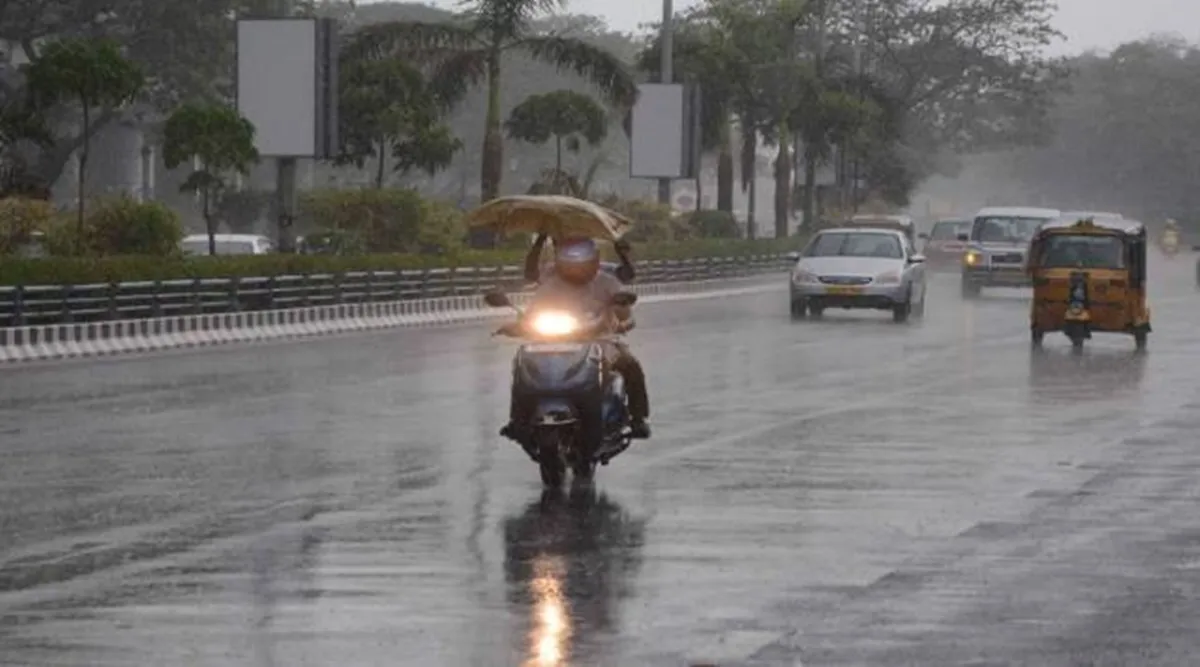
Chennai Weather Shift Tests Urban Drainage Systems
A fresh spell of widespread rainfall across Tamil Nadu is expected to continue through May 13, prompting authorities to monitor urban flooding risks, drainage performance and public safety in several districts, including Chennai and parts of the southern coastline. The latest weather assessment comes as cities across the state face mounting pressure from extreme heat followed by sudden high-intensity rainfall events linked to changing climatic patterns.
Meteorological officials have attributed the current conditions to an atmospheric circulation over the southeast Arabian Sea and adjoining Lakshadweep region, combined with a trough extending across peninsular India. The system is expected to trigger thunderstorms, gusty winds and isolated heavy rainfall across western, southern and delta districts over the next few days. The Tamil Nadu rain alert covers districts including Coimbatore, Tiruppur, Dindigul, Madurai, Theni, Tenkasi, Tirunelveli and Kanniyakumari, with rainfall activity likely to intensify in central districts later this week. Coastal and delta regions are also expected to receive intermittent heavy showers, increasing concerns over waterlogging in low-lying urban settlements and transport corridors.
In Chennai, residents may experience cloudy conditions with short-duration rainfall episodes, particularly during evening hours after periods of high daytime temperatures. While the city is not currently under an extreme weather warning, urban planners say even moderate rainfall can expose gaps in storm-water infrastructure if drains remain clogged or encroached upon.The Tamil Nadu rain alert arrives at a time when several Indian cities are reassessing their climate resilience frameworks following repeated incidents of flash flooding, disrupted mobility and infrastructure stress during unseasonal rain events. Experts in urban development note that alternating cycles of heatwaves and concentrated rainfall are becoming increasingly common in dense metropolitan regions, placing added pressure on ageing civic systems.
Transport connectivity, waste management and public health systems often become vulnerable during such weather transitions. Areas with inadequate drainage networks or ongoing construction activity typically face slower water runoff, raising the risk of traffic congestion and contamination of local water bodies. Informal settlements and densely populated neighbourhoods are particularly exposed due to limited climate-adaptive infrastructure.Officials have indicated that wind speeds during thunderstorms could reach up to 50 kilometres per hour in isolated areas, leading to precautionary monitoring of roadside infrastructure, electricity networks and temporary structures. Civic agencies in multiple districts are expected to keep emergency response teams on standby as rainfall patterns evolve over the weekend.
The weather department has not issued restrictions for fishing activity along the Tamil Nadu coast at present, offering temporary relief to coastal communities dependent on marine livelihoods. However, climate researchers caution that weather volatility across the Bay of Bengal and Arabian Sea continues to affect long-term coastal resilience planning. As the Tamil Nadu rain alert remains in force, urban governance experts say the coming days will test not only emergency preparedness but also the state’s progress towards building flood-resilient and climate-responsive cities capable of handling increasingly erratic weather systems.