


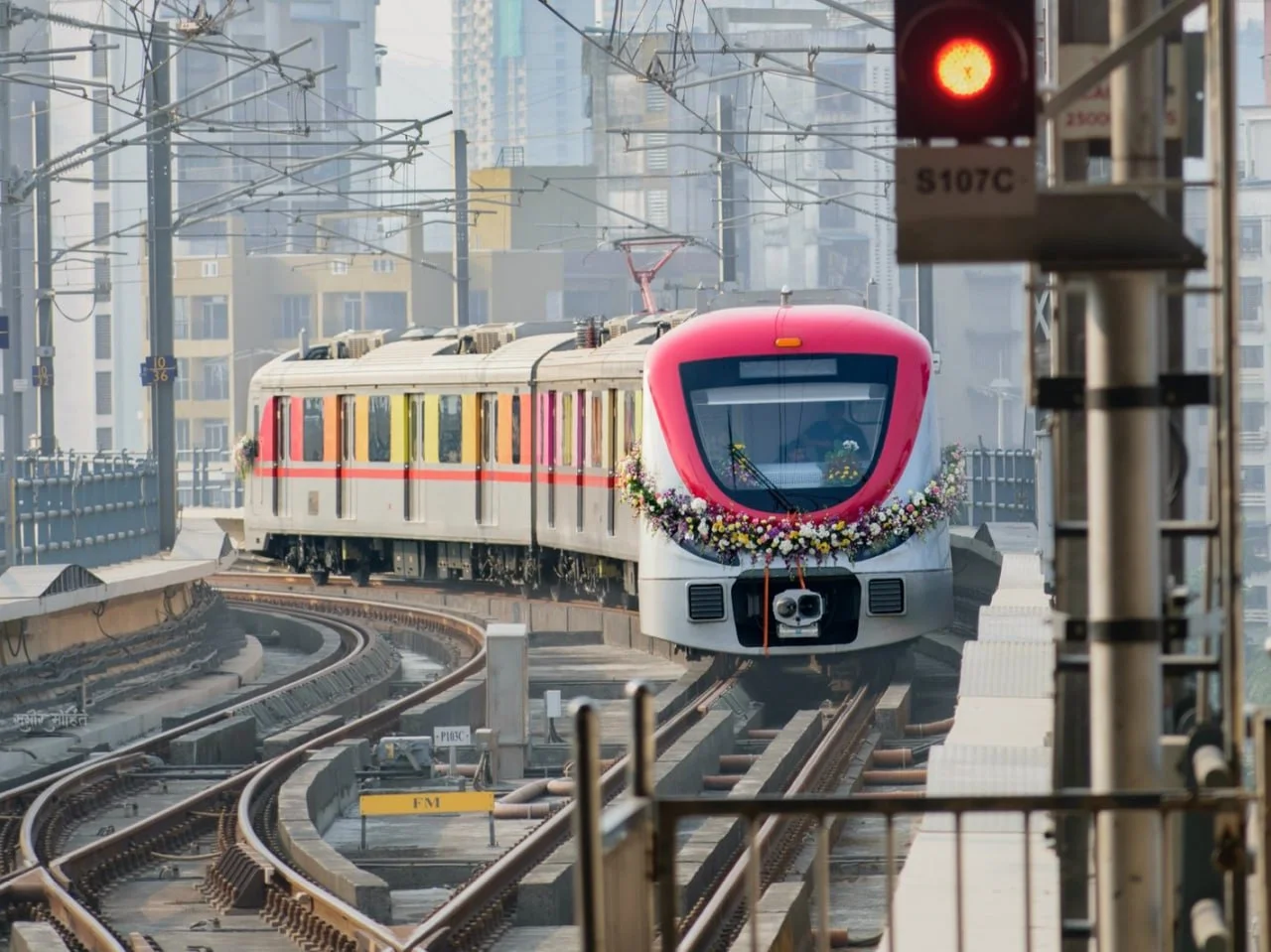
Navi Mumbai’s Metro Line-1 has achieved a significant milestone, recording a total ridership of one crore passengers as of September 6, 2025. Less than two years after its inauguration on November 17, 2023, this landmark underscores the growing reliance of residents on the city’s expanding public transport network. Officials from the City and Industrial Development Corporation (CIDCO), which oversees the metro project, highlighted that this surge in usage reflects the city’s transition towards sustainable and efficient urban mobility.
Metro Line-1, connecting Belapur to Pendhar, was the first phase of Navi Mumbai’s ambitious metro network and has quickly become the preferred mode of commuting for thousands of daily passengers. The line serves crucial destinations including office hubs in CBD Belapur, industrial zones in Taloja MIDC, and residential localities in Taloja and Kharghar. According to CIDCO officials, the metro provides a fast, comfortable, and reliable alternative to congested road networks, reducing travel time and contributing to lower urban emissions. To accommodate increasing demand, CIDCO has revised the service frequency, with trains now operating every 10 minutes during peak hours and every 15 minutes during off-peak hours in both directions. Fare adjustments, with ticket prices ranging from Rs 10 to Rs 30, have also made the service more accessible for commuters. Officials emphasised that these measures have been instrumental in encouraging daily ridership and strengthening the city’s public transport ecosystem.
“The milestone of one crore passengers demonstrates the growing trust of residents in the metro system. CIDCO’s continued efforts to enhance efficiency, affordability, and connectivity are pivotal to the metro’s success. As the network expands, it is expected to further alleviate traffic congestion and foster sustainable urban mobility across Navi Mumbai,” said a CIDCO spokesperson. Urban planners and transport experts note that Metro Line-1 is a vital component in the city’s broader sustainable transport strategy, reducing dependency on private vehicles and contributing to a lower carbon footprint. The line’s integration with existing transport corridors, along with future expansions, is set to ensure seamless connectivity for residents while promoting eco-friendly commuting options.
The success of Metro Line-1 also highlights the potential for gender-neutral, safe, and inclusive urban transit, with facilities designed to cater to diverse commuter needs. By prioritising public transportation infrastructure that is accessible, reliable, and environmentally responsible, Navi Mumbai is setting a benchmark for sustainable city development in India. As the city continues to grow, Metro Line-1’s performance serves as a critical indicator of the public’s willingness to adopt modern, efficient, and eco-conscious mobility solutions. Officials assert that ongoing expansions and service enhancements will solidify the metro’s role in shaping a greener and more connected urban future.
Also Read : Mumbai Civic Body Begins Installation of Bio Toilets Along Coastal Road Promenade
