Mumbai Water Reserves Near Full Ahead Of Monsoon End
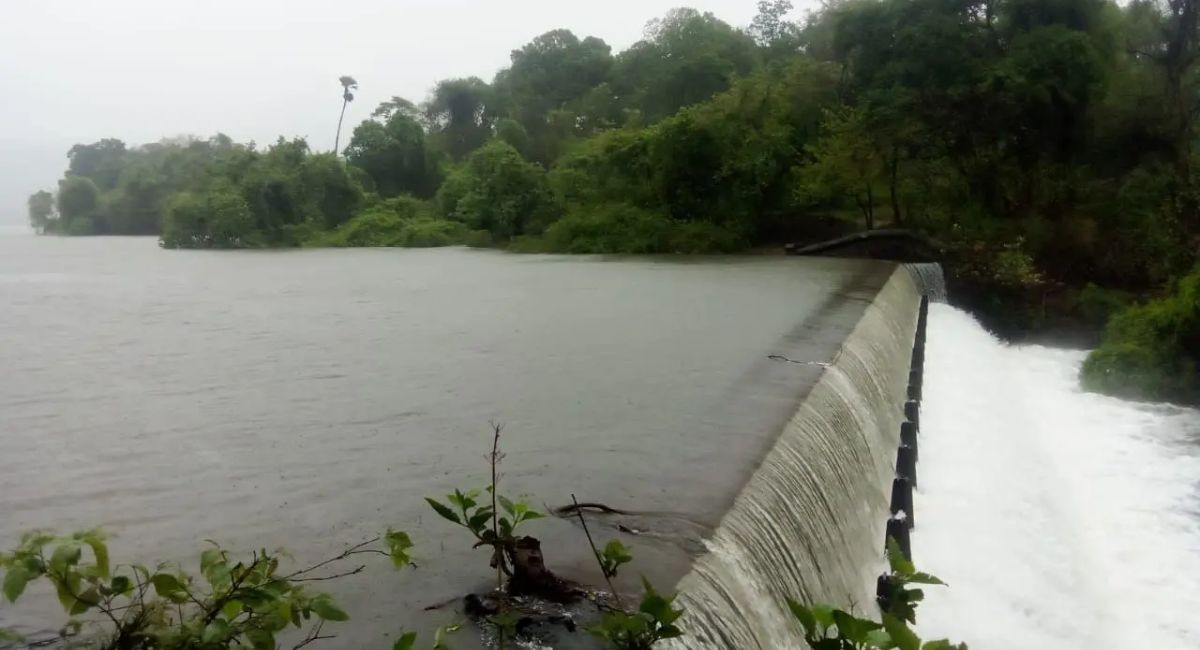
Mumbai’s drinking-water reserves have moved closer to full capacity, with the city’s seven reservoirs holding 13,86,958 million litres as of 6 am on August 26. The combined stock stood at 95.83% of live storage capacity, strengthening the city’s water position while highlighting the importance of managing a valuable resource through the remaining monsoon period. Data from the civic Hydraulic Engineer’s Department shows that the current storage level remains broadly comparable with recent years. The seven lakes held 96.16% of capacity at the same point in 2025, when available stock stood at 13,91,854 million litres. The corresponding figure in 2024 was lower, at 95.36%, with 13,80,267 million litres.
The latest numbers indicate that Mumbai enters the latter part of the monsoon with a substantial water reserve. For a city dependent on a limited group of reservoirs for its municipal supply, high storage provides a useful buffer against rainfall variability in the months following the monsoon. Vihar Lake has reached 100% of its live storage capacity, making it one of the reservoirs that has effectively completed its seasonal refill. Upper Vaitarna, meanwhile, recorded the lowest level among the seven at 89.76%. The difference illustrates how rainfall and catchment conditions can vary significantly across the wider water-supply system. The strength of Mumbai water storage also has implications beyond household supply. Reliable reservoirs support commercial activity, public institutions and the broader urban economy by reducing the likelihood of emergency restrictions caused by inadequate seasonal rainfall. Water availability is particularly important for a densely built city where expanding demand competes with limited natural and engineered resources.
However, high lake levels should not be treated as a reason to reduce attention to conservation. Urban planners and water-management specialists have increasingly highlighted the need to balance reservoir-based supply with demand management, leakage reduction, groundwater protection and reuse of treated wastewater. There is also a climate-resilience dimension. Mumbai’s rainfall is becoming harder to manage because intense downpours can produce large runoff volumes while leaving longer gaps between significant spells. Capturing water safely, protecting catchment areas and maintaining reservoir infrastructure are therefore as important as the headline storage percentage.
For now, Mumbai water storage remains in a comfortable position compared with recent years. The next priority will be ensuring that the gains from the monsoon translate into dependable supply through the dry months, while keeping long-term conservation and infrastructure resilience central to the city’s water planning.