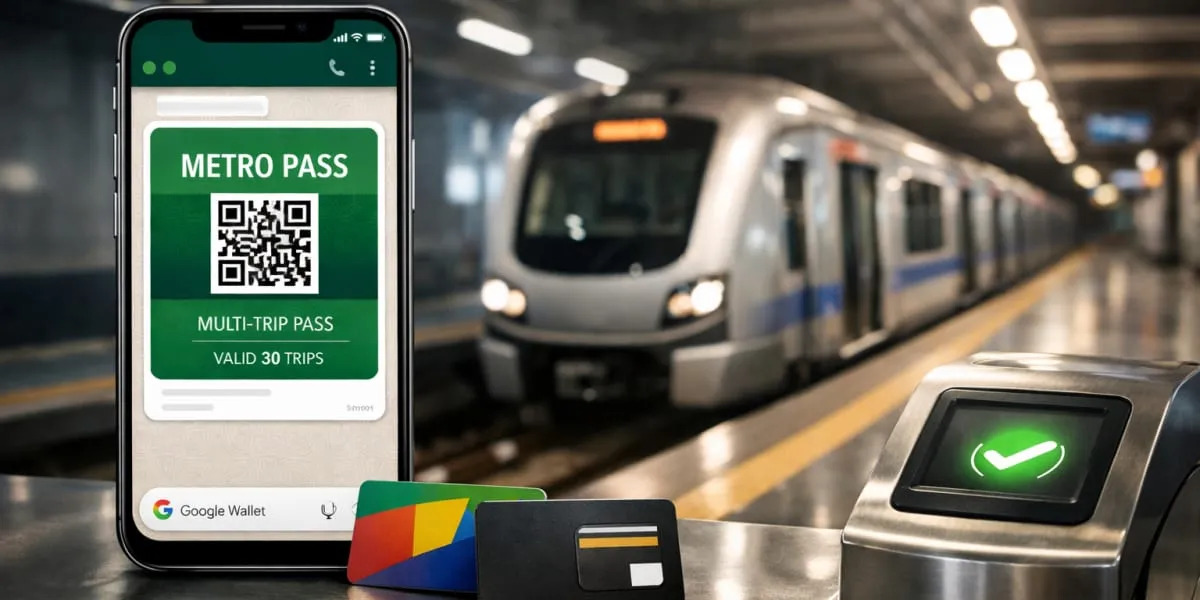
Mumbai’s expanding metro network has moved towards integrated digital ticketing with the wider rollout of the OneTicket consumer app through the Open Network for Digital Commerce (ONDC). The platform is designed to let passengers book journeys across operational metro lines through a single interface, reducing the need to navigate separate ticketing systems as the city’s rapid-transit network expands. The development addresses a practical problem created by Mumbai’s multi-operator metro system. Different corridors have been developed and managed through separate institutional arrangements, which can leave passengers switching between ticketing platforms when a journey involves more than one line.
OneTicket was initially introduced for Metro Line 3 in June 2025. Following changes based on passenger feedback, its availability has now been expanded to cover multiple operational corridors. The app is available for Android and iOS users and generates a QR-based ticket that can be scanned at metro entry and exit gates. For passengers, the booking process is relatively straightforward. Users register with a mobile number, select their origin and destination, choose the required number of tickets and complete payment digitally. The application supports UPI as well as card payments, with bookings allowing up to four passengers in a transaction. The significance extends beyond convenience. Mumbai Metro ticketing is becoming an important part of how commuters experience the wider transport network. A passenger’s journey often does not begin or end at a metro station. It can involve suburban rail, buses, walking and other forms of shared mobility. A fragmented payment experience can therefore become a barrier to using public transport for cross-city trips.
Urban transport specialists say integrated ticketing works best when it is paired with clear interchange information, reliable station access and consistent passenger information. Digital convenience alone cannot solve physical gaps between transport modes or accessibility challenges for people who are less comfortable with smartphone-based services. There is also a sustainability argument. Making transfers between public transport services easier can support a shift away from private vehicles, particularly for longer journeys across Mumbai. However, the environmental benefit will depend on whether integration actually increases public transport use rather than simply making existing metro journeys easier to purchase. The OneTicket rollout comes as Mumbai’s metro system continues to expand, increasing the importance of a common passenger interface. Its longer-term value will depend on network coverage, ticketing reliability and whether other forms of public transport can eventually be brought into a similarly seamless system.
For Mumbai Metro ticketing, the immediate change is digital and modest. Its larger urban impact could emerge if integrated fares, information and transfers eventually make multimodal travel feel like one connected journey rather than several separate trips.