Navi Mumbai Logistics Park Plan Moves To Phase One
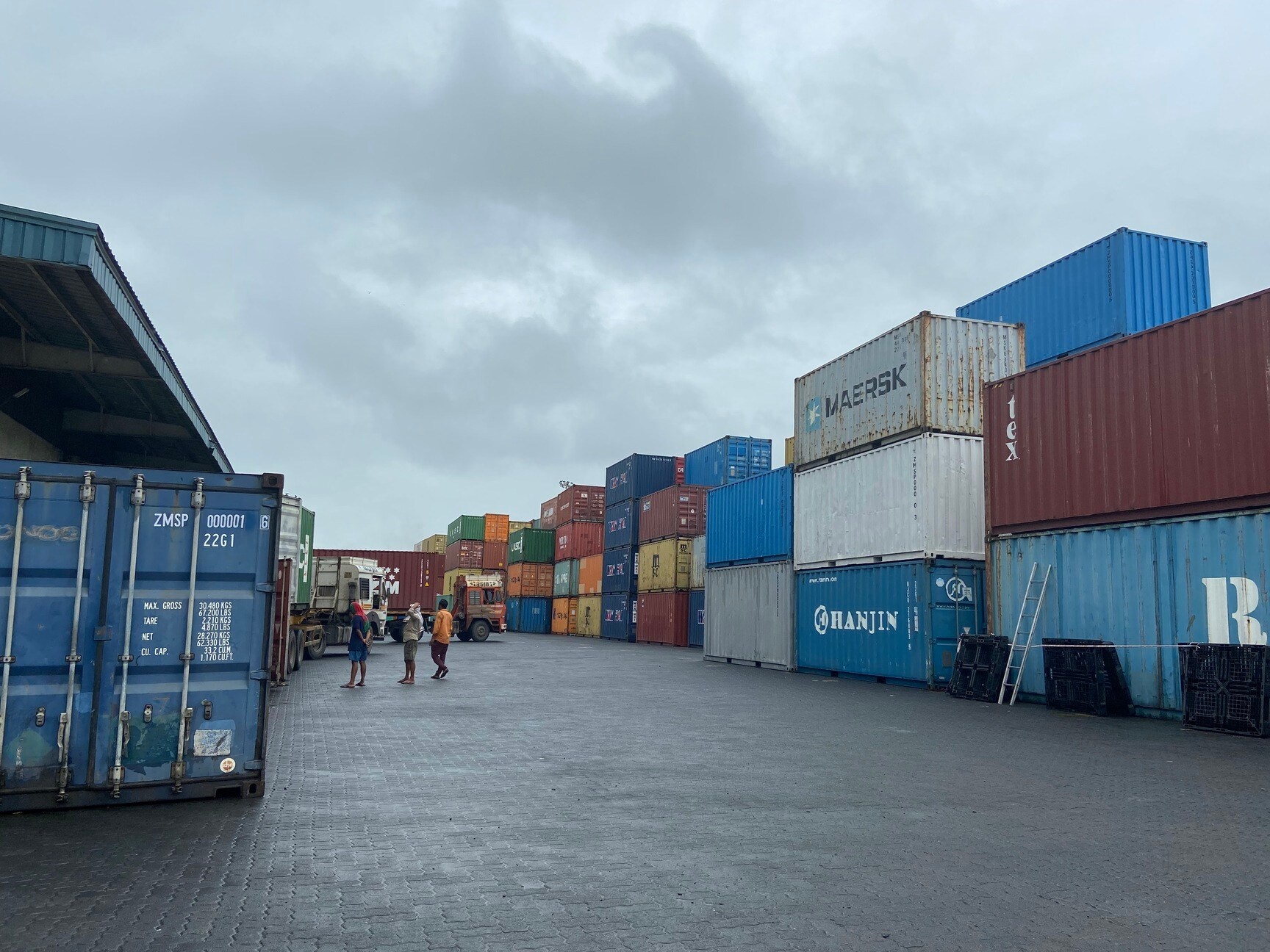
A major logistics infrastructure initiative is taking shape in Navi Mumbai, as authorities move ahead with the first phase of a large integrated logistics hub aimed at strengthening supply chains across the Mumbai metropolitan region. The project has entered its initial rollout stage, with bids invited for a sizeable land parcel intended to anchor warehousing and distribution activity. The first phase of the Navi Mumbai logistics park will span nearly 180 acres and be offered to private players through a structured bidding process. The development model involves public authorities building essential backbone infrastructure—such as internal roads, drainage systems, and utility networks—while private entities invest in and operate logistics facilities. This hybrid approach is increasingly being adopted to accelerate infrastructure delivery while sharing financial risk.
Urban development experts view the Navi Mumbai logistics park as part of a broader shift towards organised logistics ecosystems in India, where fragmented warehousing is gradually being replaced by integrated hubs. Such facilities are designed to streamline cargo movement, reduce transit times, and improve inventory efficiency, particularly in regions witnessing rapid industrial and e-commerce growth. The project’s master plan outlines multiple logistics zones within a unified layout, supported by wide internal road corridors to facilitate heavy vehicle movement. Its strategic location within the Mumbai metropolitan region positions it close to key transport infrastructure, including ports, highways, and upcoming airport facilities. This connectivity is expected to enhance the region’s role as a logistics gateway for western India. From an economic perspective, the initiative is likely to attract investment across warehousing, cold storage, and distribution sectors, generating employment opportunities in both skilled and semi-skilled segments.
Industry analysts suggest that such developments can significantly reduce logistics costs over time, which remain relatively high in India compared to global benchmarks. However, the expansion of large logistics parks also brings urban planning and environmental considerations into focus. Experts highlight the need for integrating sustainable design elements, including energy-efficient buildings, rainwater harvesting systems, and green buffers to mitigate the environmental footprint of large-scale warehousing clusters. Without such measures, rapid logistics expansion risks adding pressure on local ecosystems and infrastructure. The project’s alignment with state industrial policies indicates a coordinated push to modernise logistics infrastructure while enabling private sector participation. This approach is seen as critical in addressing capacity gaps, particularly as demand for organised storage and distribution continues to rise.
Looking ahead, the success of the first phase will likely determine the pace and scale of subsequent development. For Navi Mumbai, the logistics park represents both an economic opportunity and a planning challenge—balancing growth with sustainability, and ensuring that infrastructure expansion contributes to a more efficient and resilient urban region.