


Nashik’s water resources department has warned of a higher risk of canal water theft if drought conditions worsen, despite reservoir levels being broadly comparable with last year and allocations for drinking and irrigation having been finalised.
The warning came after a district water reservation committee meeting chaired by guardian minister Girish Mahajan. The committee finalised water reservations for local bodies and other users, including drinking and non-drinking purposes. However, department officials said falling groundwater levels and low soil moisture could create greater pressure on water supplies than reservoir storage figures suggest.
The district has recorded a 30% rainfall deficit, while reservoir levels are currently on par with the same period last year, according to the report. A senior WRD officer said low soil moisture could affect rabi crops and that higher soil temperatures may increase demand for irrigation water.
The district administration has appealed to farmers to plan their crops according to the water available. Officials are concerned that farmers seeking to protect crops could attempt to draw water illegally from canals if releases for agriculture are curtailed.
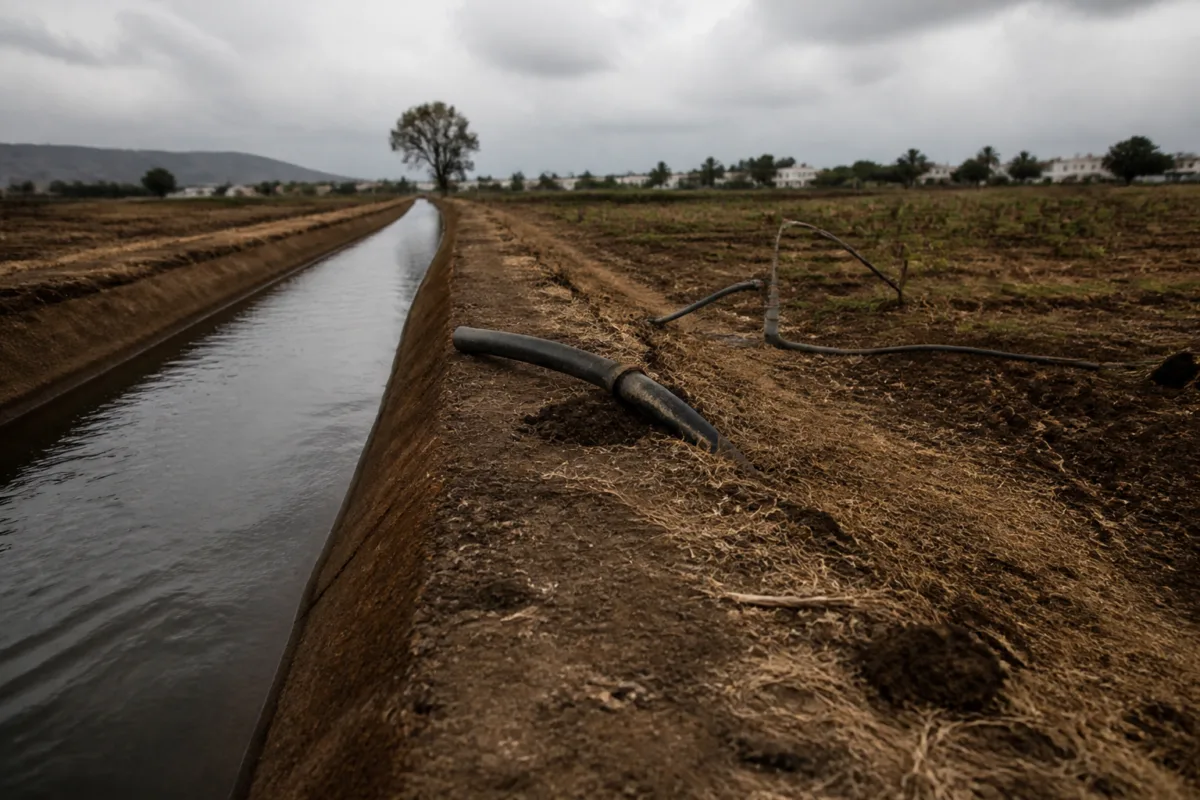
The department cited the 2016 drought as a precedent. During that period, water reserved for drinking purposes was released through a canal for Yeola town. According to a senior WRD officer, some farmers allegedly drilled holes into the canal and installed pipes to divert the water clandestinely to agricultural fields.
Officials said siphons inserted through the shoulders and beds of canals can draw water across distances of between 2km and 5km. The risk is heightened because much of the canal network remains earthen rather than piped, making it vulnerable to unauthorised withdrawals and seepage.
The WRD estimates that water losses during canal rotations can reach as much as 70% because most canals are not piped. Illegal withdrawals have, on some occasions, reduced flows reaching downstream users to a trickle, the department said.
The issue could affect both irrigation users and communities dependent on canal releases for drinking water. The department has previously sought assistance from the district administration to deploy police personnel around the clock and register criminal cases against farmers involved in water theft.
The latest warning follows the finalisation of district-level water reservations. Any further restriction of agricultural releases will depend on the availability of water and the management of drinking and irrigation requirements, according to the information reported by the WRD. Officials have urged farmers to align crop planning with the water allocation available.

