


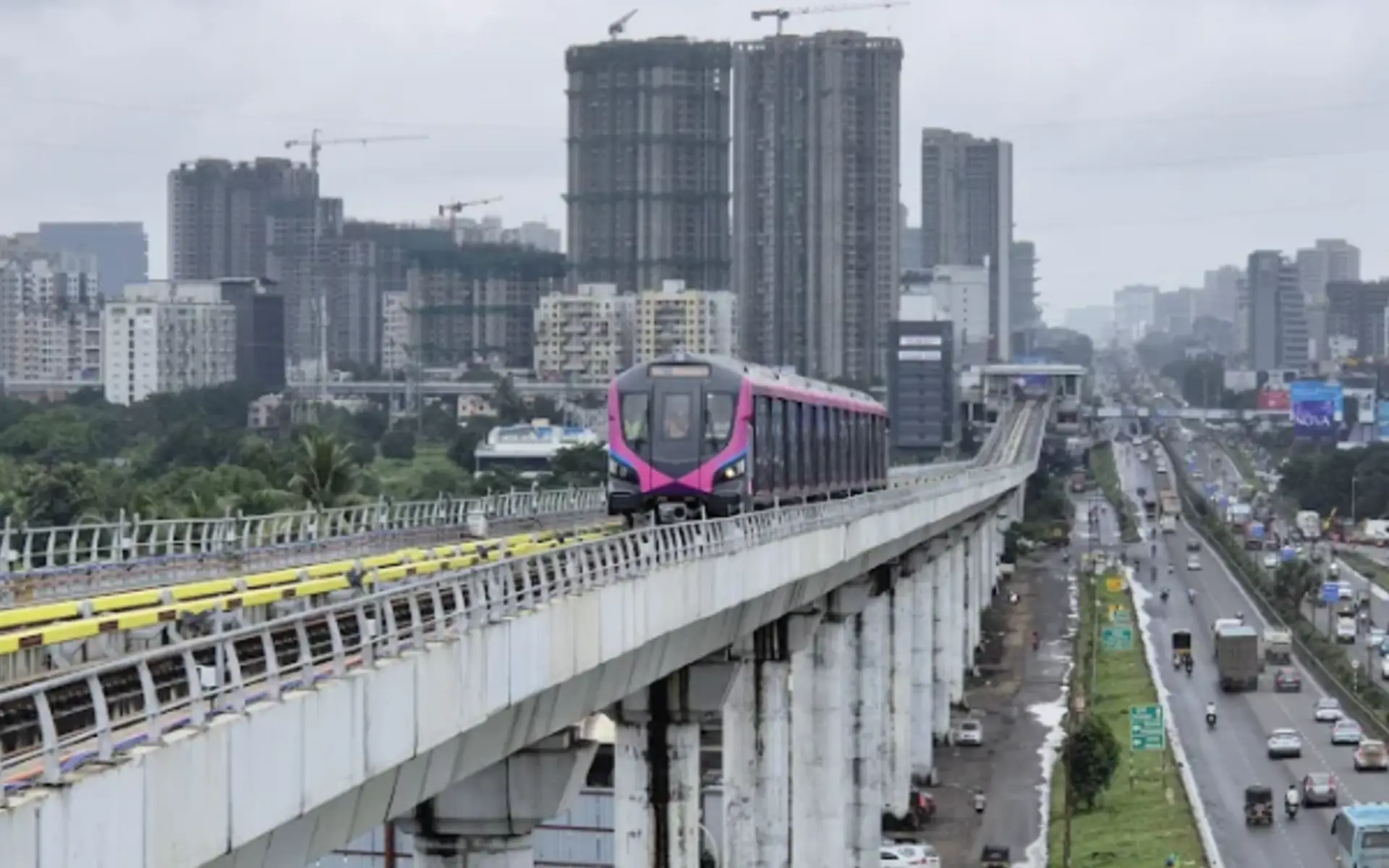
Nagpur’s long-term urban mobility roadmap is progressing with the detailed project report (DPR) for Metro Phase 3 entering the evaluation stage, marking a critical step in expanding the city’s mass transit network to meet future demand. The evaluation phase will determine the technical, financial, and operational feasibility of extending metro connectivity to new corridors, reflecting the city’s growing need for structured and high-capacity public transport. As Nagpur continues to expand spatially, ensuring that emerging residential and industrial zones are well connected has become central to urban planning efforts.
Officials familiar with the process indicate that the DPR assessment involves reviewing alignment proposals, projected ridership, cost estimates, and integration with existing transport systems. This stage is crucial in shaping the scope and direction of the project before it moves toward approvals and execution. Urban mobility experts note that planning for future phases well in advance is essential for avoiding reactive infrastructure development. “Cities that anticipate growth through phased transport planning are better positioned to manage congestion, reduce emissions, and improve accessibility,” said a transport planner, highlighting the importance of data-driven decision-making. For Nagpur, Metro Phase 3 could play a key role in strengthening connectivity between peripheral areas and economic centres. As development spreads outward, the need for efficient links between residential neighbourhoods, workplaces, and public services becomes more pronounced. Expanding metro coverage can help bridge these gaps while promoting more balanced urban growth. The environmental implications of such projects are also significant. Metro systems, powered by electricity, offer a lower-emission alternative to road-based transport. Extending the network aligns with broader sustainability goals, including reducing carbon footprints and improving air quality in urban areas. However, experts caution that the success of future metro phases will depend on effective integration with existing infrastructure. Last-mile connectivity, station accessibility, and affordability will be critical in ensuring that the system serves a wide cross-section of the population. Without these elements, expanded networks risk falling short of their potential impact. There are also financial considerations. Large-scale metro projects require substantial investment, and careful evaluation is necessary to ensure long-term viability. Balancing cost with expected benefits, including economic growth and environmental gains, will be a key aspect of the DPR review. As Nagpur moves forward with planning Metro Phase 3, the focus will remain on creating a resilient and inclusive transport system that can support the city’s future growth.
The evaluation stage represents more than a procedural step—it is an opportunity to align infrastructure expansion with sustainable urban development principles. The decisions taken at this stage will shape not only the next phase of metro expansion but also the broader trajectory of Nagpur’s urban mobility, determining how effectively the city can meet the demands of a rapidly changing urban landscape.
ALSO READ – Nagpur Metro Phase Two Gains Momentum In City
Nagpur Metro Phase Three DPR Moves To Review
