


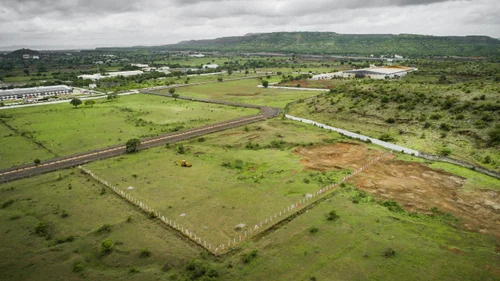
In a significant step toward optimising industrial land use, authorities in Nagpur have initiated action to take back control of over 300 non-operational industrial plots in the MIDC area, signalling a push to curb land underutilisation and revive economic activity. The move targets plots that have remained idle or non-functional for extended periods, despite being allocated for industrial development. Officials indicate that reclaiming such land is part of a broader strategy to ensure that scarce urban-industrial space is used productively, particularly as demand for well-located industrial land continues to rise.
Nagpur’s MIDC zones have been central to the city’s industrial ecosystem, supporting manufacturing, logistics, and small-scale enterprises. However, over time, several allotted plots have either remained undeveloped or have ceased operations, creating inefficiencies in land use. Urban development experts note that such stagnation not only limits economic output but also distorts land markets by locking valuable parcels out of circulation. By repossessing these plots, authorities aim to make land available for new investors and enterprises, potentially accelerating job creation and industrial diversification. “Land is one of the most critical assets in urban economies. Ensuring its active use is essential for sustainable growth,” said an industry analyst. The decision also reflects a shift toward more accountable land governance. Allocating land without ensuring timely development has been a longstanding challenge in industrial planning across India. Stricter enforcement of utilisation norms can improve transparency and prevent speculative holding of land. From a planning perspective, the development aligns with efforts to create more efficient and compact industrial zones. Reactivating underused plots can reduce the need for outward expansion, thereby limiting urban sprawl and preserving surrounding land. This approach supports more sustainable land management, especially in rapidly growing cities. However, experts caution that the transition must be handled carefully. Some non-operational units may have closed due to financial distress or market conditions, and abrupt repossession could impact stakeholders. A balanced approach—combining enforcement with support for viable enterprises—will be key to ensuring equitable outcomes. The move also has implications for infrastructure planning. Reviving industrial plots will increase demand for utilities such as power, water, and transport connectivity. Ensuring that these systems are upgraded in parallel will be essential to support renewed activity without creating additional strain.
For Nagpur, the initiative represents an opportunity to reset its industrial land strategy—shifting from allocation-driven models to performance-based utilisation. As reclaimed plots are brought back into the development pipeline, the focus will be on attracting industries that align with emerging economic priorities while maintaining environmental and operational standards. In the long term, the success of this effort will depend on how effectively reclaimed land is redeployed to generate employment, support local economies, and contribute to a more efficient and sustainable urban-industrial ecosystem.
ALSO READ – Nagpur Metro Phase Three DPR Moves To Review
Nagpur MIDC Moves To Reclaim Idle Industrial Land
