


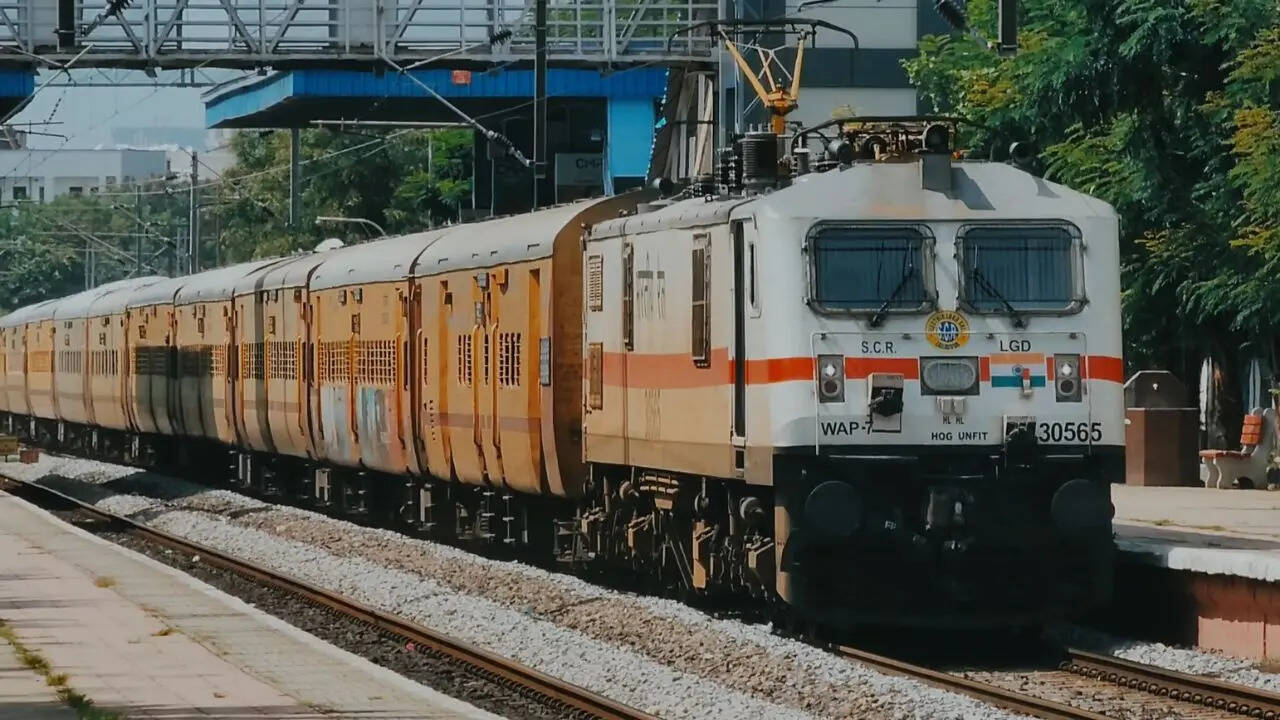
Surat has unexpectedly entered the national political spotlight after allegations surfaced regarding the arrangement of special trains transporting people to West Bengal ahead of upcoming elections, raising broader questions about the use of transport networks during politically sensitive periods. The issue centres on claims that organised travel services were facilitated for groups of passengers, with political implications tied to electoral mobilisation. While the matter is being contested between parties, it has drawn attention to how large-scale mobility infrastructure—particularly rail networks—can intersect with political processes.
For a city like Surat, which hosts a significant migrant workforce from eastern states, including West Bengal, the development underscores its role as a major migration hub within India’s urban economy. Thousands of workers travel between Surat and their home states each year, driven by employment opportunities in sectors such as textiles, construction, and small manufacturing. Urban experts note that such mobility patterns are a defining feature of India’s growth story. However, they also highlight the need for clear regulatory frameworks governing the use of public transport systems, especially during election cycles. “Transport infrastructure must remain neutral and accessible, regardless of political context,” said a governance analyst. The situation also brings into focus the logistical capacity of Indian Railways to manage large passenger movements. Special train services are often deployed during peak travel periods or emergencies, but their use in politically sensitive contexts can raise concerns about transparency and fairness. From a civic standpoint, the development has limited direct impact on Surat’s daily urban functioning but reinforces the city’s importance as a node in national migration and transport networks. It also highlights the broader challenge of ensuring that infrastructure systems are used responsibly and equitably. Experts suggest that maintaining public trust in transport systems requires clear communication, adherence to established protocols, and oversight mechanisms that prevent misuse. As cities grow and mobility networks expand, the governance of these systems becomes increasingly critical.
The episode also reflects the interconnected nature of India’s urban centres, where economic migration links cities like Surat to distant regions, influencing both local economies and national dynamics. As the matter unfolds, attention will likely remain on regulatory clarity and institutional accountability. For Surat, the incident serves as a reminder that its infrastructure and workforce are deeply embedded in wider national systems—making transparency and governance essential to sustaining both economic activity and public confidence.
ALSO READ – Surat Property Expo Reflects Growing Real Estate Demand
Surat Special Trains Spark Political Transport Debate
