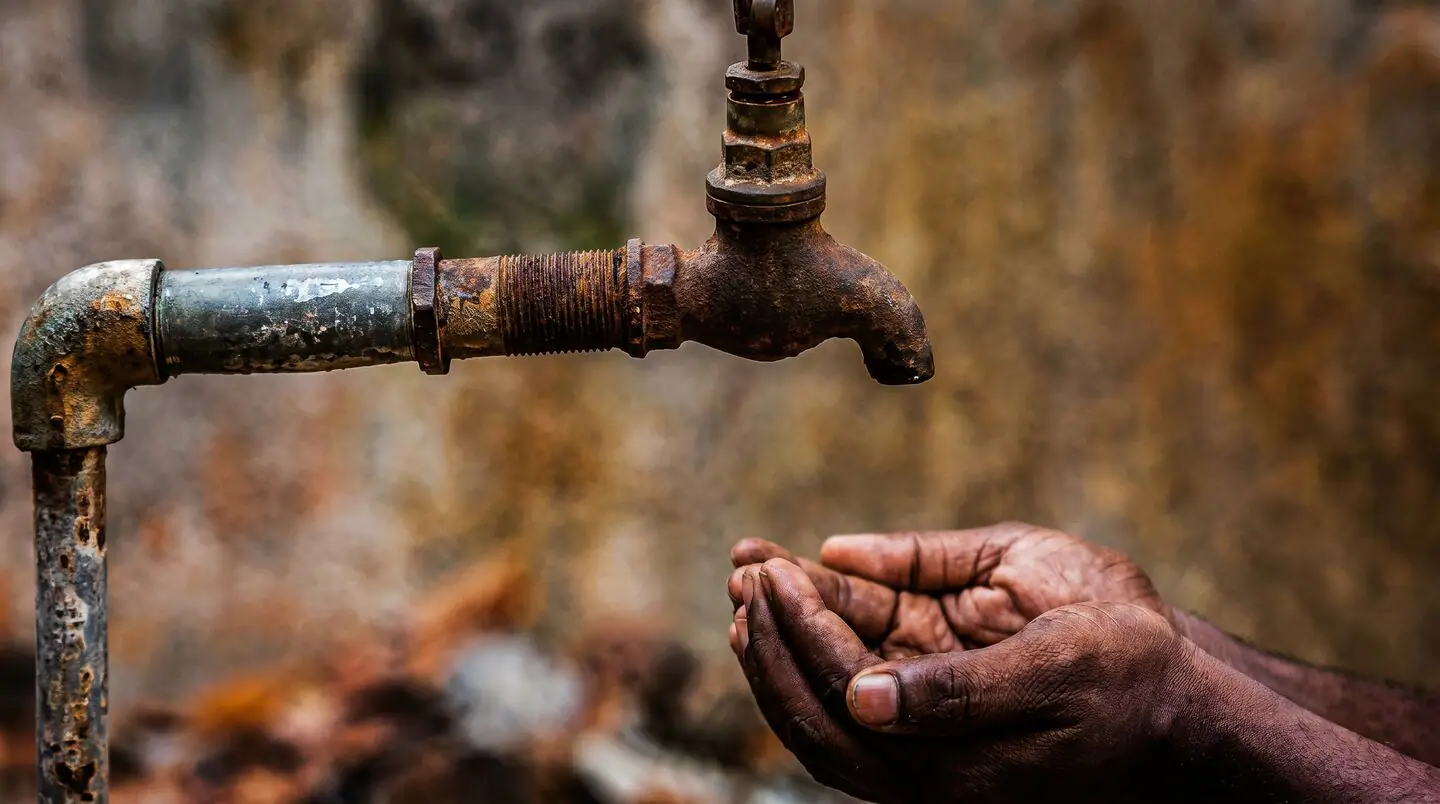
Large sections of Mumbai faced prolonged water disruptions this week after a scheduled shutdown linked to underground pipeline infrastructure work forced households and businesses to depend on private water tankers during peak summer conditions. The interruption has intensified debate around how India’s financial capital manages critical utility upgrades while balancing the daily needs of residents already dealing with seasonal water stress. The Brihanmumbai Municipal Corporation (BMC) temporarily suspended supply across parts of South, Central and Eastern Mumbai for nearly 30 hours to integrate a new section of the city’s water tunnel network. The infrastructure connection forms part of a broader transmission system intended to strengthen long-term water distribution between Chembur, Sion, Parel and adjoining reservoir-linked zones.
While officials described the exercise as necessary for improving future supply resilience, the timing of the Mumbai water cut has drawn criticism from residents and housing societies who were compelled to arrange expensive tanker deliveries amid rising summer temperatures. Several neighbourhoods experienced low pressure or complete disruption, affecting domestic consumption, sanitation and small commercial establishments dependent on continuous water access. The latest interruption follows another major shutdown carried out less than two weeks earlier, raising concerns among urban planners and resident groups about the cumulative burden of repeated service disruptions during the city’s hottest months. Experts tracking urban infrastructure say the incident reflects the complex challenge of upgrading ageing utility systems in densely populated metropolitan regions without significantly affecting public life. Mumbai’s underground water network, much of which was developed decades ago, requires phased modernisation to address leakages, improve pressure management and support future population growth. However, civic analysts argue that communication, contingency planning and equitable access remain critical gaps during such large-scale maintenance operations. In several localities, residents reported increased dependence on private tanker operators, adding unexpected costs for households and residential societies already facing higher summer utility expenses. Water governance specialists note that recurring shutdowns also expose broader vulnerabilities in urban infrastructure planning.
Cities experiencing climate volatility, rising temperatures and rapid construction activity are increasingly under pressure to create resilient utility systems capable of operating with minimal disruption. The ongoing tunnel works are part of Mumbai’s larger effort to modernise bulk water transmission infrastructure and reduce distribution inefficiencies. Urban planners believe such projects are essential for long-term sustainability, particularly as demand rises across residential towers, commercial districts and expanding suburban corridors. Yet experts caution that infrastructure resilience must be accompanied by citizen-centric execution strategies. These include advance public coordination, decentralised emergency storage systems, transparent maintenance scheduling and stronger regulation of tanker pricing during shortages. The repeated Mumbai water cut episodes have also revived discussions around diversifying the city’s water management approach through recycling, rainwater harvesting and localised conservation systems that reduce dependence on centralised supply networks.
As Mumbai prepares for the monsoon season, civic authorities are expected to continue infrastructure upgrades aimed at securing future supply stability. The larger challenge, however, will be ensuring that essential modernisation efforts do not disproportionately disrupt residents already navigating the pressures of heat, rising costs and uneven urban service delivery.