Chennai Experience Centres Redefine Interior Planning
Chennai’s growing housing market is witnessing a shift in how urban residents engage with home design, as interior fit-out firms increasingly invest in physical experience centres that allow buyers to assess materials, layouts, and energy-conscious design solutions before making purchasing decisions. The latest expansion in the city comes with the opening of two new interior experience facilities in Anna Nagar and along Old Mahabalipuram Road (OMR), reflecting changing consumer expectations in metropolitan housing markets.
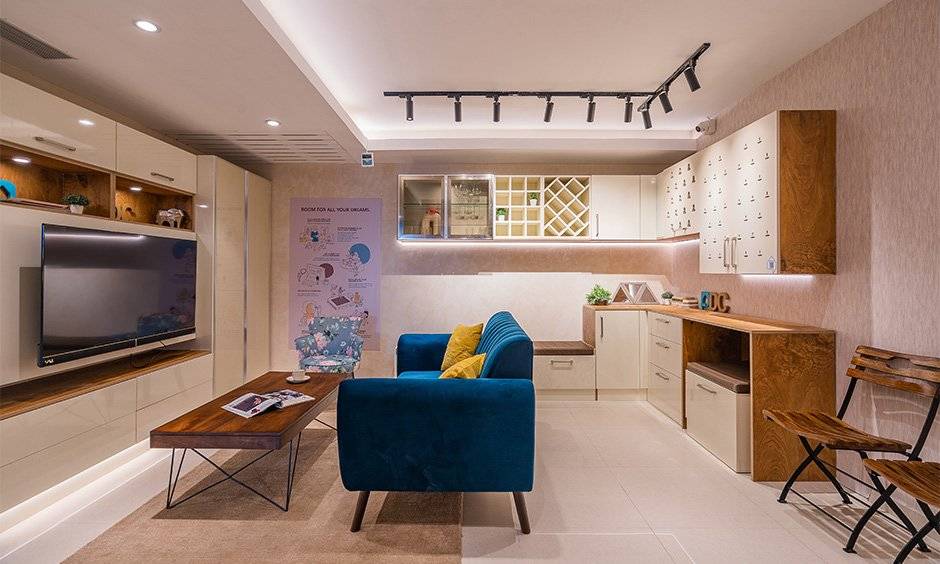
The move signals a broader transformation in Chennai’s interior design sector, where homeowners are seeking greater transparency, durability, and functional efficiency amid rising apartment construction and redevelopment activity. Industry observers note that as residential projects become more compact and land values continue to rise, residents are prioritising adaptable interiors that improve space usage, ventilation, and long-term maintenance performance. The newly opened facilities are designed to simulate real residential environments rather than function as traditional product showrooms. Urban planners say such formats are becoming increasingly relevant in dense cities where buyers often struggle to visualise how design choices will affect liveability, natural lighting, thermal comfort, and storage efficiency within smaller urban homes.
The OMR corridor, one of Chennai’s fastest-growing residential and technology belts, has emerged as a major market for modular and customised interiors due to the rapid expansion of gated communities and mixed-use developments. Anna Nagar, meanwhile, continues to attract premium renovation and redevelopment projects driven by ageing housing stock and changing lifestyle needs among middle- and upper-income households.Experts in the built environment sector say experiential retail models are reshaping the relationship between consumers and the home improvement industry. Rather than selecting finishes through catalogues or digital renderings alone, buyers increasingly want tactile engagement with sustainable materials, ergonomic layouts, and lighting systems that influence energy consumption and indoor comfort. The expansion of interior experience centres also reflects the growing economic significance of India’s organised home interiors market. With urban migration and residential construction continuing across major cities, companies are attempting to standardise execution quality and reduce information gaps that have historically led to project delays, cost overruns, and inconsistent workmanship.
For Chennai, the development highlights how the city’s real estate ecosystem is evolving beyond core construction into lifestyle-linked urban services. Analysts believe this trend could create opportunities for local manufacturing, skilled employment, and environmentally conscious building practices, particularly if firms prioritise recyclable materials, efficient lighting solutions, and low-waste construction methods. As Indian cities move towards denser and more vertical housing patterns, the focus on functional, climate-responsive interiors is expected to grow. Urban development specialists argue that future residential planning will increasingly depend not only on the quality of buildings themselves, but also on how effectively interior spaces support changing patterns of work, mobility, and sustainable urban living.