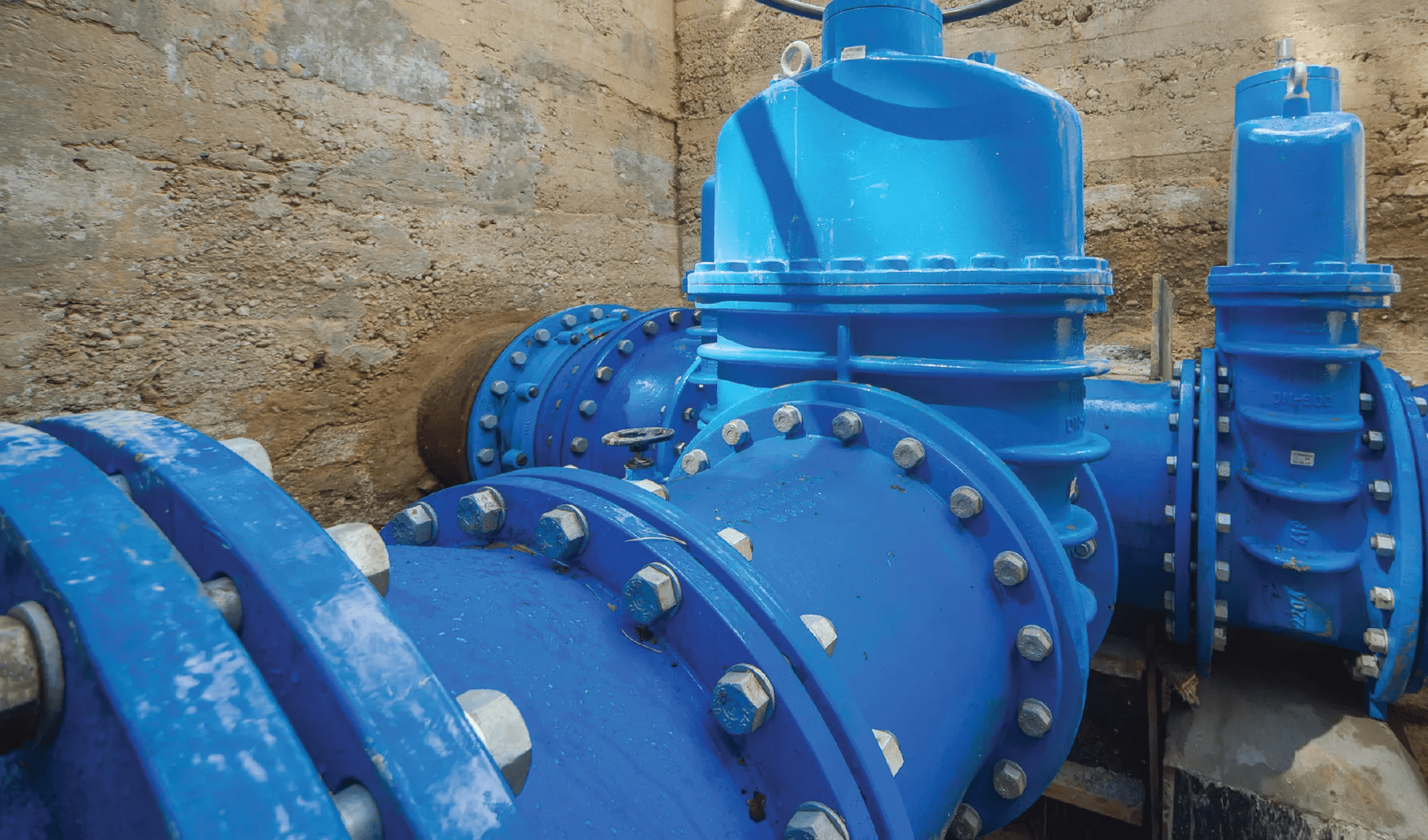
Mumbai’s civic administration has initiated a key upgrade to its water distribution network with the installation of high-capacity control systems along a critical transmission route in South Mumbai. The intervention, centred on a Shivdi pipeline upgrade, is expected to enhance flow regulation, improve supply reliability, and strengthen operational efficiency in one of the city’s most densely served zones. The project involves the placement of two large-diameter butterfly valves along a strategic pipeline connecting major storage reservoirs. These valves act as control mechanisms, allowing engineers to manage water pressure and direct flows between supply points more effectively. In a city where demand fluctuates across neighbourhoods and seasons, such flexibility is crucial to maintaining balanced distribution.
Urban infrastructure specialists note that ageing pipelines and limited control points have historically constrained Mumbai’s ability to respond dynamically to supply disruptions or maintenance needs. By introducing advanced flow-control systems through the Shivdi pipeline upgrade, authorities aim to reduce water losses, prevent pressure imbalances, and enable quicker isolation of sections during repairs. The pipeline in question plays a vital role in transferring water from multiple reservoir sources to southern parts of the city. Any inefficiency along this corridor can have cascading impacts on supply consistency. With the addition of new valves, the network gains improved segmentation capability, allowing operators to manage different stretches independently without widespread service interruptions. Executing such upgrades in a high-density urban corridor presents logistical challenges. The installation is being carried out along a busy arterial stretch, requiring careful coordination to minimise disruption to traffic and surrounding activity. Experts highlight that retrofitting infrastructure in built-up environments often demands more complex planning than greenfield projects, particularly when underground utilities are involved.
From a sustainability standpoint, the Shivdi pipeline upgrade aligns with broader efforts to improve urban water management. Efficient distribution systems reduce wastage, lower energy consumption associated with pumping, and support equitable access across communities. As climate variability increases pressure on water resources, cities are being pushed to optimise existing infrastructure rather than rely solely on new supply sources. In parallel, civic authorities have intensified oversight of sanitation operations across the city, reflecting a wider push towards accountability in service delivery. Recent inspections of waste management facilities have focused on workforce deployment, hygiene standards, and coordination between departments. Such measures indicate a growing emphasis on real-time monitoring and operational discipline within municipal systems. Urban policy analysts suggest that integrating infrastructure upgrades with stronger governance practices is essential for long-term resilience. While technical improvements like valve installations enhance system capacity, their benefits depend on consistent maintenance, skilled personnel, and data-driven management.
As Mumbai continues to expand, ensuring reliable water supply remains a central challenge. Projects such as the Shivdi pipeline upgrade represent incremental but critical steps towards building a more adaptable and efficient urban utility network. The effectiveness of these interventions will ultimately be judged by their ability to deliver stable, equitable, and sustainable water access across the city.