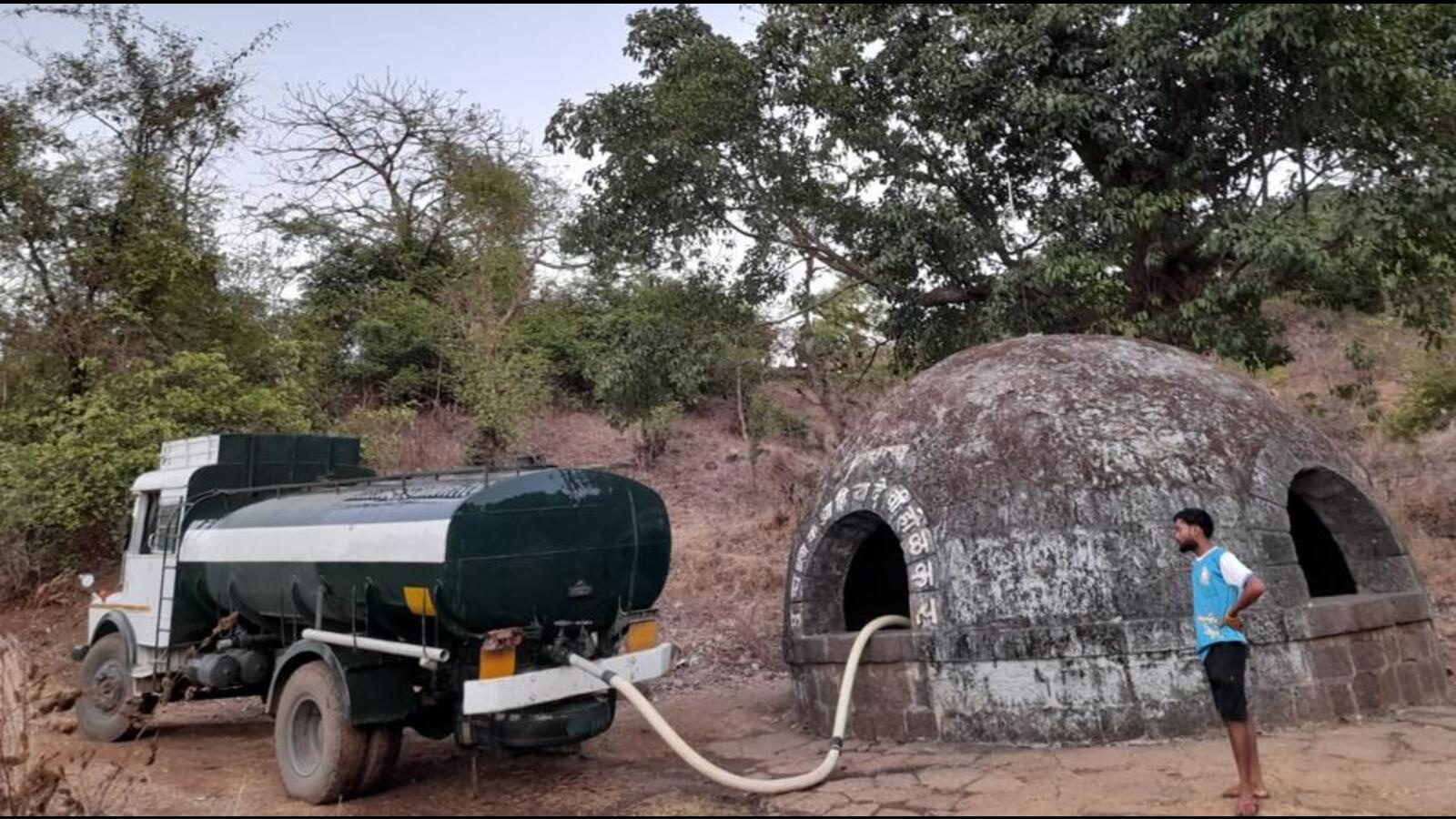
Kalyan Dombivli Water Shortage Sparks Urgent Action
Mounting stress on urban water systems in the Mumbai Metropolitan Region has prompted authorities in Kalyan-Dombivli to initiate a comprehensive review, with a formal document expected to outline the scale and causes of the ongoing Kalyan Dombivli water shortage. The move signals a shift towards greater transparency as civic officials confront recurring supply disruptions affecting both established neighbourhoods and rapidly urbanising peripheral villages. The planned white paper is expected to detail structural gaps in supply, including ageing pipelines, uneven distribution and rising demand linked to population growth. For residents, particularly in outlying areas, water availability has become increasingly unpredictable during peak summer months, highlighting the fragility of existing infrastructure. Urban analysts note that such documentation, if data-driven, can serve as a baseline for long-term planning rather than short-term crisis management.
Immediate interventions are already underway. Civic teams have been tasked with identifying unauthorised connections that strain the network, while enforcement measures are being extended to commercial establishments using potable water without approval. Officials indicate that leak detection and repair will be prioritised, given that transmission losses remain a significant but often overlooked contributor to the Kalyan Dombivli water shortage. The situation is particularly acute in peri-urban villages, where supply levels remain below projected demand. Current allocations are estimated to be significantly lower than required, prompting efforts to nearly double daily supply capacity. However, experts caution that increasing volume alone may not resolve systemic inefficiencies unless accompanied by infrastructure upgrades and equitable distribution mechanisms. Concerns around water quality have also emerged, with damaged pipelines allowing contamination in certain pockets.
Addressing this requires not only repairs but also sustained monitoring and maintenance—areas where many fast-growing urban regions struggle due to limited institutional capacity. A senior urban planner pointed out that water security is increasingly tied to governance reforms as much as engineering solutions. The issue has also triggered political debate, with elected representatives questioning the prioritisation of large-scale urban development initiatives in the absence of reliable basic services. The Kalyan Dombivli water shortage, in this context, underscores a broader challenge facing Indian cities: balancing expansion with essential infrastructure provisioning. From a sustainability perspective, the crisis highlights the need for decentralised solutions such as rainwater harvesting, wastewater recycling and demand-side management. Climate variability, including erratic rainfall patterns, is expected to further strain traditional water sources, making resilience planning critical for cities on the urban fringe.
As the civic administration prepares its report, the focus will likely shift to implementation. Whether the findings translate into measurable improvements will depend on coordinated action across agencies, consistent funding and citizen participation in conserving resources. For a region on the cusp of rapid transformation, ensuring reliable and equitable water access may prove as crucial as any headline infrastructure project.