


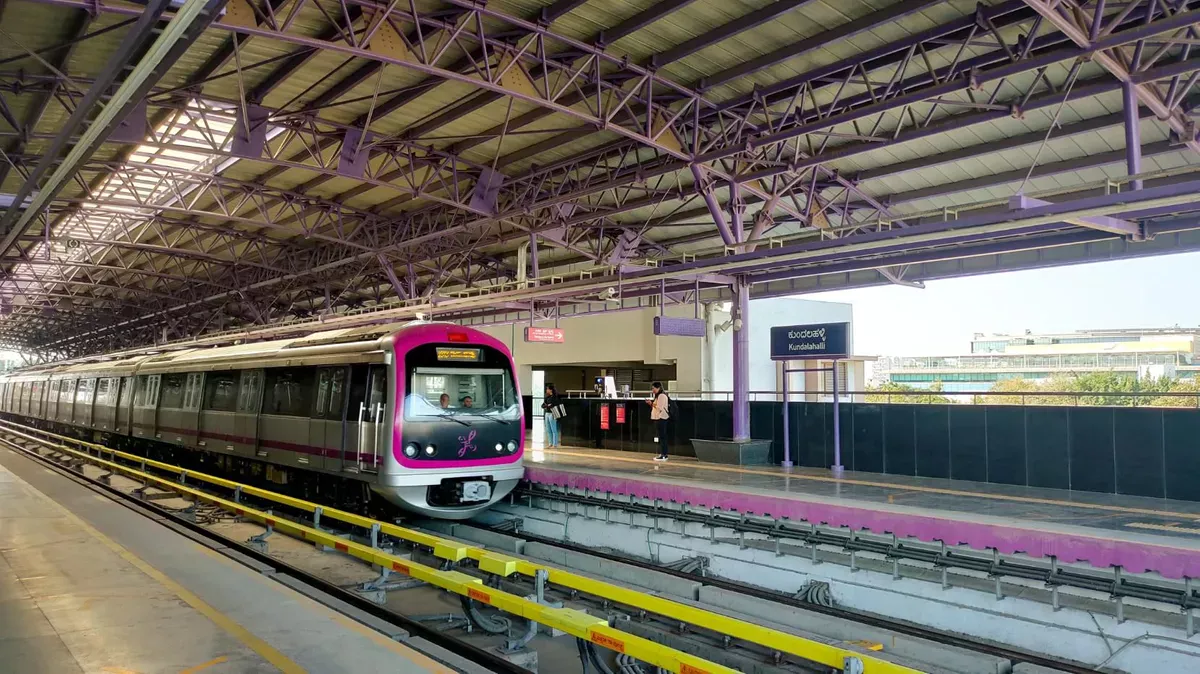
The expansion of Bengaluru’s metro network through upcoming corridors is expected to accelerate changes in the city’s real estate landscape, with property values along these routes likely to rise. The development reflects how mass transit investments are increasingly shaping urban growth and influencing land markets in India’s major cities.
Real estate analysts indicate that improved connectivity remains one of the strongest drivers of property demand. Areas located near metro stations typically experience increased interest from homebuyers and investors due to reduced travel times and better access to employment hubs. In a city like Bengaluru, where congestion continues to challenge daily commuting, proximity to rail transit has become a key determinant of location value.The Bengaluru metro real estate impact is already visible in emerging micro-markets along proposed corridors. Developers are positioning new projects to capitalise on future connectivity, while peripheral neighbourhoods are gaining traction as viable residential zones. This could lead to a redistribution of growth, easing pressure on central areas over time.However, urban planners caution that rising land values may also intensify affordability concerns. As prices increase, lower and middle-income households could find it more difficult to access housing in well-connected areas.Experts emphasise the need for inclusive housing policies to ensure that the benefits of infrastructure investment are shared more equitably.From a planning perspective, the expansion presents an opportunity to adopt transit-oriented development (TOD) models.
By concentrating mixed-use development around transit nodes, cities can reduce reliance on private vehicles and create more compact, efficient urban environments. Such approaches align with sustainability goals by lowering emissions and improving overall mobility.The Bengaluru metro real estate impact also carries implications for infrastructure planning. Increased density around metro corridors will require upgrades in water supply, sewage systems, and road networks to support additional population and activity.Without coordinated planning, rapid development could strain existing services.Economic benefits are another key dimension.Higher property values can boost municipal revenues through taxes and development charges, providing resources for further infrastructure investment. At the same time, improved connectivity can enhance business accessibility and support commercial growth.Environmental considerations remain central to the discussion. Transit-led development has the potential to curb urban sprawl and preserve green spaces by encouraging higher density in designated zones. However, this requires careful zoning and enforcement to avoid unplanned expansion.Urban policy experts highlight the importance of integrating transport and land-use planning to maximise the benefits of metro expansion.
Clear regulations, community engagement, and long-term vision will be critical in ensuring balanced growth.As Bengaluru continues to expand its metro network, the interplay between infrastructure and real estate will shape the city’s future. Managing this growth responsibly will be essential to building a more connected, inclusive, and sustainable urban environment.
Also Read:Bengaluru Tanker Demand Surge Stabilises Water Prices

