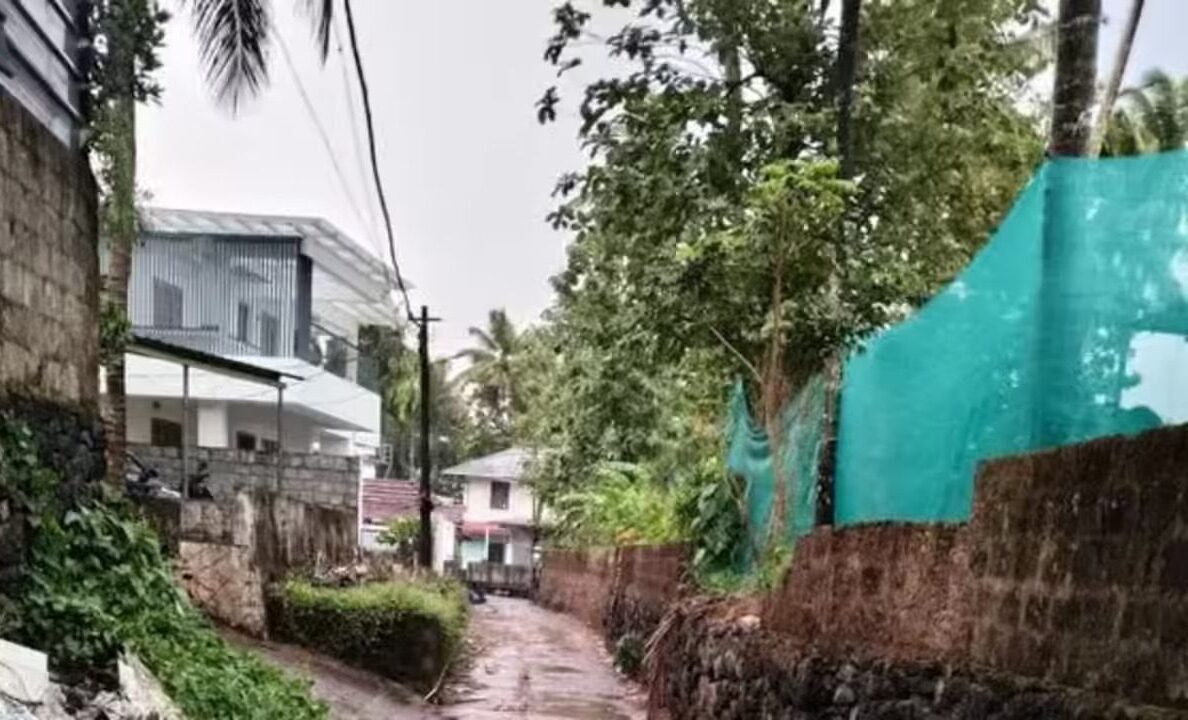
In Muvattupuzha municipality’s ward 18, the Mannankadavu Canal has stopped being a waterbody. It is now an open drain carrying household waste, medical refuse, and plastic debris through a densely populated neighbourhood. The stench is unbearable. And just metres away, children at a local anganwadi breathe the same air that locals describe as unliveable. A political body from the area has now formally demanded urgent intervention, marking the latest — but far from first — warning issued to municipal leadership.
The canal flows directly into the Muvattupuzha river, a source of drinking water for thousands. Local representatives have confirmed that successive municipal councils, including the current one, failed to act despite repeated complaints. A formal petition was earlier submitted to the district collector requesting a sewage treatment plant. No visible progress has materialised. Meanwhile, the untreated waste continues its slow march toward the river, raising contamination risks that carry economic consequences — from higher water treatment costs to potential public health outbreaks. Urban planners note that Mannankadavu is not an isolated failure. Across Kerala’s fast-urbanising mid-sized towns, canals have become default dumping grounds because waste collection systems are incomplete and enforcement is weak. A local representative explained that the canal runs through a thickly settled ward, meaning the health impact falls disproportionately on women, children, and elderly residents who have no alternative water or sanitation infrastructure.
The economic logic of inaction is difficult to defend. A single sewage treatment plant — repeatedly requested — would cost far less than treating river-borne diseases or compensating fisheries and agriculture losses downstream. Yet municipalities often prioritise visible infrastructure like roads over invisible but critical systems like waste-fed canal restoration. This pattern reflects a broader governance gap: short-term electoral cycles discourage investment in solutions that take years to show results. What makes Mannankadavu urgent is its proximity to vulnerable users. The anganwadi, pedestrians, and households cannot relocate. And the river cannot filter itself. As one former municipal member put it, the council now faces a forced hand — not because awareness has suddenly dawned, but because the stench and illness have become impossible to ignore.
Muvattupuzha Canal Turns Toxic Near Anganwadi And Homes