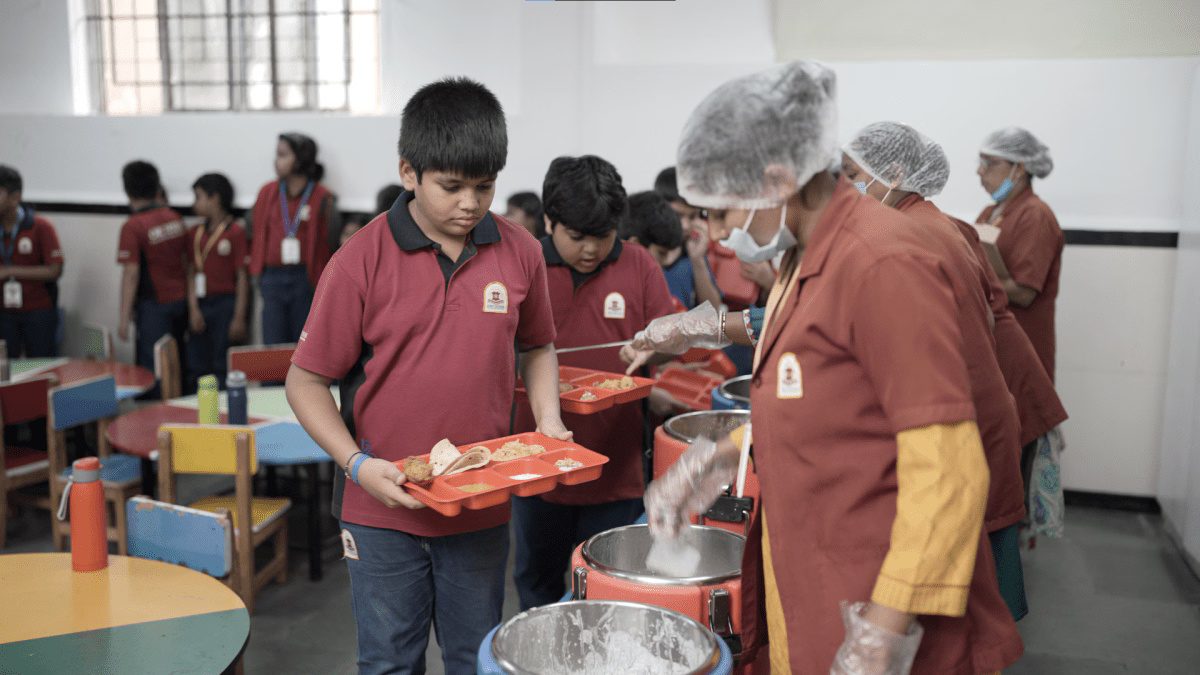
Mumbai Moves To Regulate School Nutrition Distribution
Mumbai’s civic education system is tightening oversight of its student nutrition programme, with authorities introducing a detailed framework to regulate the handling and distribution of supplementary food items in municipal schools. The move follows concerns around hygiene and aims to strengthen accountability in how nutrition support reaches children across the city. The newly introduced nutrition bar safety SOPs set out end-to-end protocols covering procurement, storage, monitoring, and consumption. These guidelines place responsibility on school-level administrators and supervisory staff to ensure that food items meet safety standards before reaching students. The directive reflects a growing recognition that food security in urban public systems must be matched by equally robust quality controls.
Municipal schools in Mumbai serve a large population of students, many of whom rely on supplementary nutrition programmes as part of their daily dietary intake. In this context, even minor lapses in hygiene can have disproportionate health consequences. Urban health experts note that ensuring safe distribution systems is critical not just for immediate well-being, but also for long-term learning outcomes and equity in access to education. The nutrition bar safety SOPs emphasise traceability and verification at multiple stages. Supplies must be sourced through approved vendors, and packaging integrity is to be checked before distribution. Schools are also required to maintain detailed records of stock and usage, enabling better tracking and audit of food items. In addition, storage practices have been standardised to prevent contamination caused by environmental exposure or improper handling. A notable aspect of the framework is the requirement for on-site consumption. By ensuring that students consume the nutrition bars within school premises, authorities aim to reduce risks associated with improper storage or sharing outside controlled environments. This approach also allows teachers and staff to monitor any immediate adverse reactions, strengthening early detection mechanisms.
From a governance perspective, the initiative signals a shift towards more structured oversight in public welfare delivery. Industry observers highlight that such systems can benefit from integration with digital tracking tools, enabling real-time monitoring and data-driven decision-making. Over time, this could help identify supply chain inefficiencies or recurring quality issues, allowing for timely corrective action. However, implementation will be key. Schools already operating with limited administrative capacity may face challenges in meeting additional compliance requirements. Training, clear communication, and periodic audits will be essential to ensure that the guidelines translate into consistent practice across all wards. The move also intersects with broader sustainability concerns. Safe and efficient food distribution systems can reduce wastage, improve resource utilisation, and contribute to more resilient urban service delivery frameworks. As cities expand, ensuring that essential services like nutrition programmes are both scalable and reliable becomes increasingly important.
Looking ahead, the effectiveness of the nutrition bar safety SOPs will depend on continuous monitoring and feedback mechanisms. Authorities have indicated that laboratory testing protocols will be activated in cases of suspected contamination, adding another layer of quality assurance. For Mumbai’s civic schools, the initiative represents an attempt to align public health safeguards with educational support systems, reinforcing the role of institutions in delivering safe and inclusive urban services.