


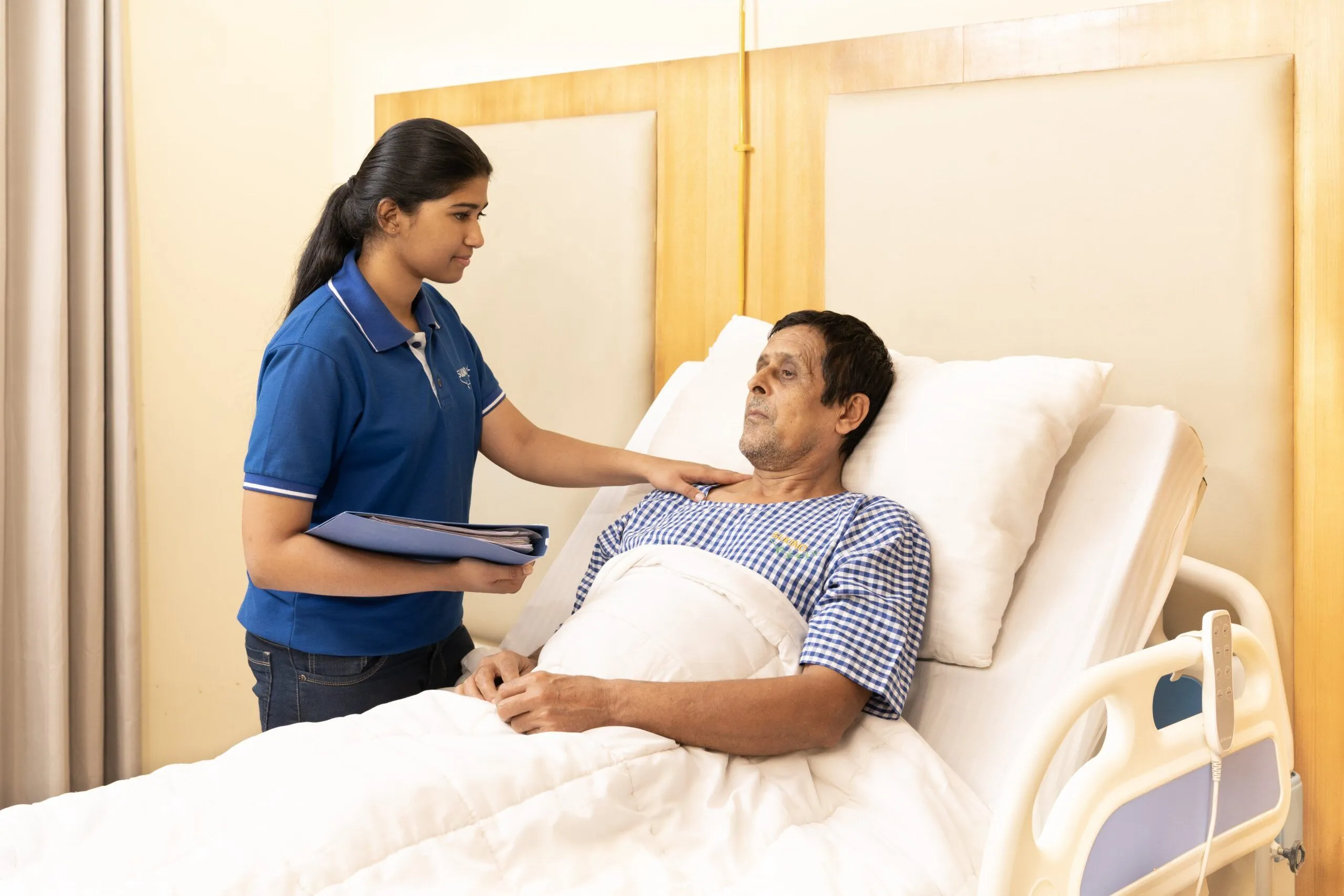
A significant patient recovery in Kolkata, where an elderly woman regained mobility after months of paralysis, is drawing attention to the evolving capabilities of urban healthcare systems and the growing importance of rehabilitation services in Indian cities. The development highlights how integrated medical care can restore quality of life even in complex cases.
Medical experts indicate that such recoveries depend not only on clinical intervention but also on sustained rehabilitation, including physiotherapy, neurological support, and long-term patient monitoring. In metropolitan centres like Kolkata, access to specialised care has improved, yet remains uneven across different socio-economic groups.The case brings focus to the broader landscape of post-acute care, an area often underdeveloped in India’s healthcare system. While hospitals are equipped to handle critical treatment, continuity of care through rehabilitation facilities is still emerging as a crucial component of recovery pathways. This gap becomes more evident in ageing urban populations, where chronic conditions and mobility challenges are on the rise.From an urban development perspective, the Kolkata healthcare rehabilitation growth trend underscores the need for integrating health infrastructure into city planning. Accessible rehabilitation centres, community health hubs, and home-based care systems are increasingly essential in ensuring inclusive healthcare delivery
.Experts also point to the economic implications. Extended recovery periods can place financial strain on families, particularly when specialised care is required over several months. Strengthening public healthcare systems and expanding insurance coverage could help reduce this burden and improve access to quality treatment.There is a growing recognition that rehabilitation is not merely a medical service but a social and economic necessity. Enabling patients to regain independence contributes to workforce participation, reduces long-term care costs, and improves overall urban productivity. Cities that invest in such services are better positioned to support ageing populations and vulnerable groups.The Kolkata healthcare rehabilitation growth narrative also intersects with infrastructure planning. Barrier-free buildings, accessible public transport, and pedestrian-friendly streets are critical in ensuring that recovered patients can reintegrate into daily life. Without such supportive environments, medical gains risk being limited by physical constraints.Healthcare professionals emphasise that early intervention, coordinated care, and patient awareness are key to achieving successful outcomes. Public education campaigns and community outreach could play a role in encouraging timely treatment and adherence to rehabilitation programmes.
As Kolkata continues to expand its healthcare ecosystem, the case serves as a reminder that medical success is closely tied to systemic support. Building resilient and inclusive health infrastructure will be essential in meeting the city’s future needs, ensuring that recovery and well-being are accessible to all residents.
Also Read:Kolkata Karate Career Growth Expands Global Opportunities
