Mumbai’s attempt to modernise its parking ecosystem has encountered a setback, prompting civic authorities to redesign and relaunch a long-pending smart parking initiative. After multiple unsuccessful attempts to attract bidders, officials are now revising eligibility criteria and financial terms in a bid to revive private sector participation in the project. The proposed system centres on a Mumbai smart parking platform that would digitally map available parking spaces across the city and allow users to reserve slots in real time. Backed by sensors and camera-based monitoring, the system is intended to reduce dependence on manual operations and improve transparency in how public parking assets are managed.
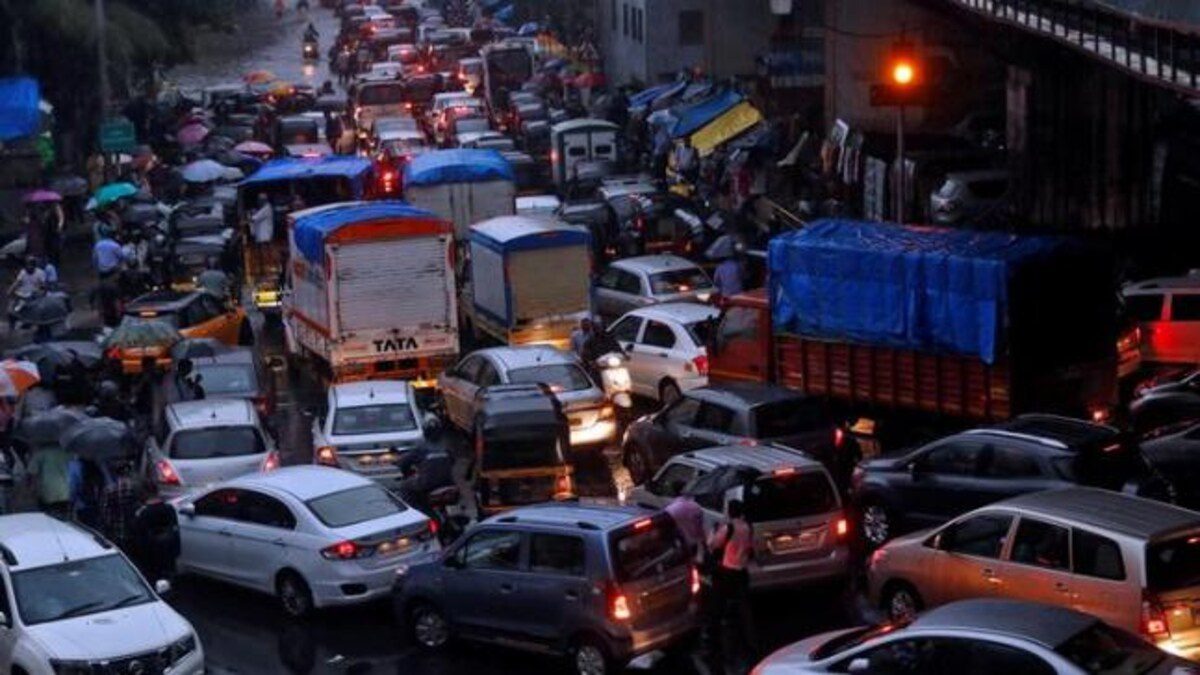
The lack of response to earlier tenders has exposed structural challenges in implementing technology-driven urban solutions. Industry observers point out that stringent eligibility norms and high upfront investment requirements, particularly for installing hardware infrastructure, may have deterred potential bidders. Contractors reportedly flagged concerns about long-term financial viability, given the cost of maintaining sensors and enforcement systems in a complex urban environment. This delay comes at a time when Mumbai’s parking crisis continues to intensify. With vehicle ownership crossing five million and formal parking capacity remaining limited, the search for parking has become a significant contributor to urban congestion. Transport researchers estimate that a substantial share of city traffic is generated by vehicles circling streets in search of parking, adding to fuel consumption and emissions. The Mumbai smart parking initiative is positioned as a response to this inefficiency. By providing real-time availability data and enabling advance booking, the system could reduce unnecessary circulation and improve traffic flow. Equally important, digitisation could address issues of misuse and revenue leakage, which are common in manually managed parking systems.
Urban planners, however, caution that technology alone cannot resolve the underlying imbalance between vehicle growth and limited land availability. They emphasise the need for integrated mobility planning that prioritises public transport, non-motorised travel, and demand management measures such as dynamic pricing. Without these complementary strategies, smart parking risks becoming a partial solution to a systemic problem. The civic body is expected to issue revised tenders with relaxed participation criteria and more flexible financial structures, potentially encouraging collaborations between infrastructure firms and technology providers. Officials suggest that such partnerships could bridge the gap between operational expertise and digital capability, improving the project’s feasibility. Lessons from other Indian cities indicate that phased implementation, user-friendly interfaces, and strong enforcement mechanisms are critical to the success of smart parking systems. For Mumbai, the challenge lies not only in deploying technology but also in ensuring that it aligns with broader goals of sustainable and equitable urban mobility.
As the city prepares to relaunch the project, the focus will shift to whether a recalibrated approach can translate ambition into execution. The outcome could influence how Indian megacities address one of their most persistent urban challenges—managing limited space in an increasingly motorised environment.