


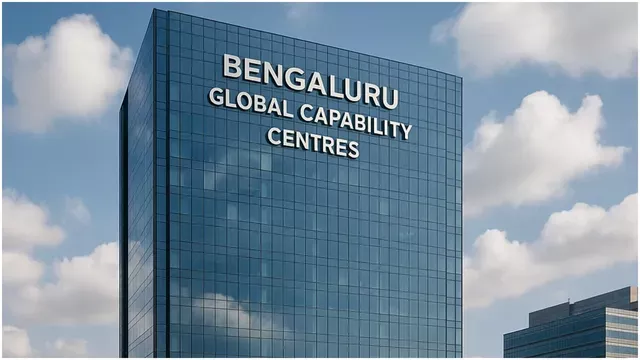
In Bengaluru, continued expansion of Global Capability Centres (GCCs) is reinforcing the city’s position as a leading hub for multinational operations in India.
According to senior government officials, Bengaluru remains at the forefront of GCC growth, driven by its deep talent pool, established technology ecosystem, and strong global business linkages.GCCs—offshore units set up by multinational corporations to manage functions such as technology, finance, and research—have become a cornerstone of India’s knowledge economy. In Bengaluru, their rapid growth reflects the city’s ability to attract high-value investments and support complex business operations. Industry experts note that the presence of these centres contributes significantly to job creation, particularly in specialised and high-skilled roles.The expansion is also reshaping the city’s economic landscape. As GCCs diversify into areas such as artificial intelligence, data analytics, and product development, they are moving beyond back-office functions to become innovation hubs. This shift is strengthening Bengaluru’s position in global value chains and enhancing its competitiveness among international business destinations.From an urban development perspective, the growth of GCCs has far-reaching implications. Increased demand for office space, housing, and urban services is driving real estate activity and infrastructure development.
However, planners caution that this growth must be managed carefully to avoid exacerbating existing challenges such as traffic congestion, housing affordability, and pressure on civic amenities.There are also sustainability considerations. The concentration of large corporate campuses can lead to higher energy consumption and resource use. Experts emphasise the need for green building practices, efficient public transport integration, and sustainable urban design to ensure that economic growth does not come at the cost of environmental degradation.The rise of GCCs is also influencing workforce dynamics. As companies compete for talent, there is a growing emphasis on skill development and continuous learning.Educational institutions and training providers are increasingly aligning their programmes with industry needs, particularly in emerging technology domains.At the policy level, state authorities are focusing on creating a supportive environment for GCC expansion, including regulatory facilitation and infrastructure investment. Analysts suggest that maintaining this momentum will require balancing investor-friendly policies with inclusive urban planning that benefits a wider segment of the population.Bengaluru’s leadership in GCC growth highlights its role as a key driver of India’s digital and services economy. However, sustaining this trajectory will depend on addressing urban constraints and ensuring that growth remains both equitable and environmentally responsible.
As the city continues to attract global investment, integrating economic expansion with resilient infrastructure and inclusive planning will be critical to shaping a sustainable urban future.
Also Read:Bengaluru weather shifts highlight climate resilience needs
