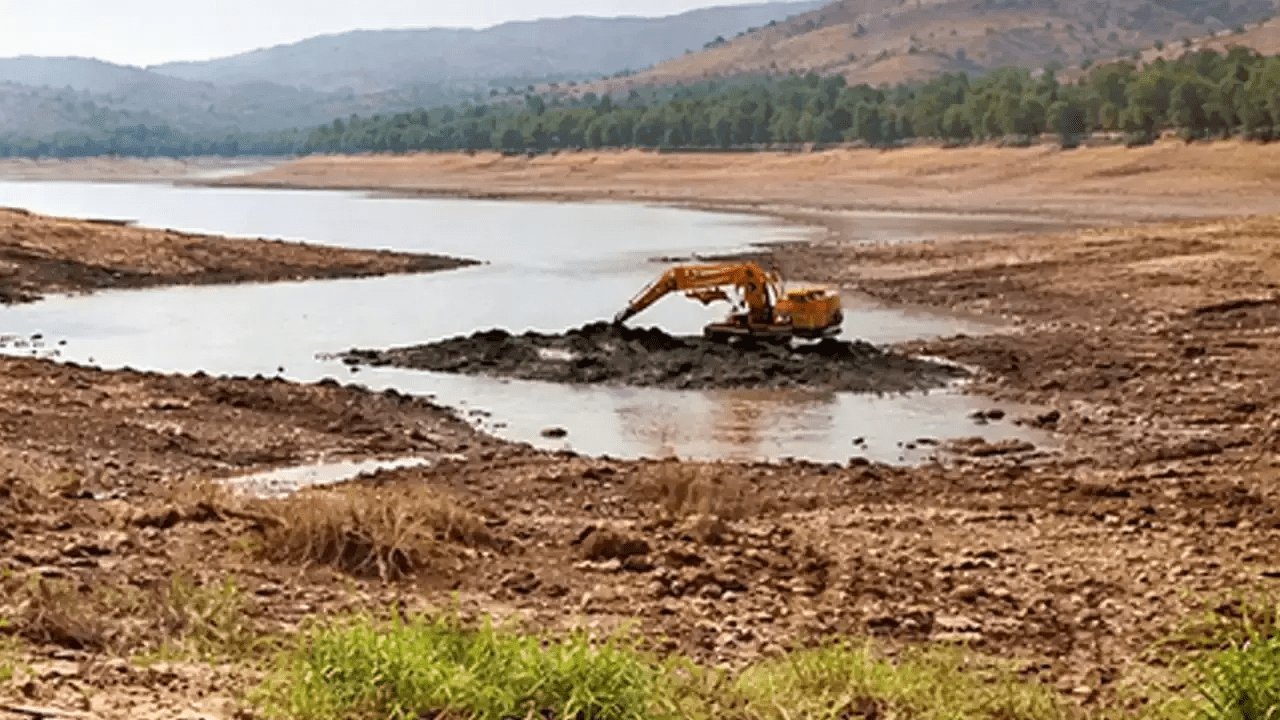
Maharashtra has initiated early contingency planning to manage a projected El Nino rainfall deficit, with forecasts indicating monsoon precipitation could fall to nearly 92% of the long-term average. The anticipated shortfall, particularly across drought-prone regions, has prompted state authorities to prioritise water security, agricultural resilience, and long-term urban resource planning. A recent high-level review involving multiple departments focused on mitigating the impact of an El Nino rainfall deficit, especially in regions such as Marathwada and parts of northern Maharashtra where rainfall variability is historically high. Officials involved in the discussions indicated that district-level response mechanisms are being strengthened to ensure coordinated planning across water supply, irrigation, and local governance systems.
Meteorological assessments suggest that while rainfall may remain close to normal in some parts of the state, spatial imbalances could intensify stress in already water-scarce districts. Experts note that even a marginal reduction in seasonal rainfall can significantly affect reservoir levels, crop cycles, and drinking water availability, particularly in areas dependent on monsoon-fed systems. The government has directed local administrations to focus on water conservation strategies, including the restoration of traditional water bodies and acceleration of ongoing watershed programmes. Urban planners point out that such measures are increasingly critical as cities expand into peri-urban and rural belts, where water infrastructure often lags behind population growth. Current reservoir storage stands higher than the previous year, offering a temporary buffer. However, officials caution that this should not lead to complacency. Instead, emphasis is being placed on prudent water usage and building resilience for the next summer cycle, recognising that climate variability is becoming more frequent and less predictable. Agricultural planning is also being recalibrated in response to the El Nino rainfall deficit.
Measures include promoting on-farm water storage, improving irrigation efficiency, and ensuring timely access to inputs such as fertilisers and fodder. Industry observers highlight that such interventions not only safeguard crop yields but also protect rural incomes, which are closely tied to broader economic stability. The potential influence of oceanic conditions, such as a positive Indian Ocean Dipole, may partially offset the severity of the El Nino effect. However, experts underline that reliance on such mitigating factors cannot replace structured preparedness. For rapidly urbanising regions, the situation underscores the need for integrated water management systems that link rural catchments with urban demand centres. As cities expand and climate risks intensify, ensuring equitable and sustainable water distribution is becoming central to long-term development planning.
The coming monsoon season will test both infrastructure readiness and policy execution. How effectively these measures translate on the ground could shape not only agricultural outcomes but also the resilience of Maharashtra’s urban and rural economies in the face of climate uncertainty.