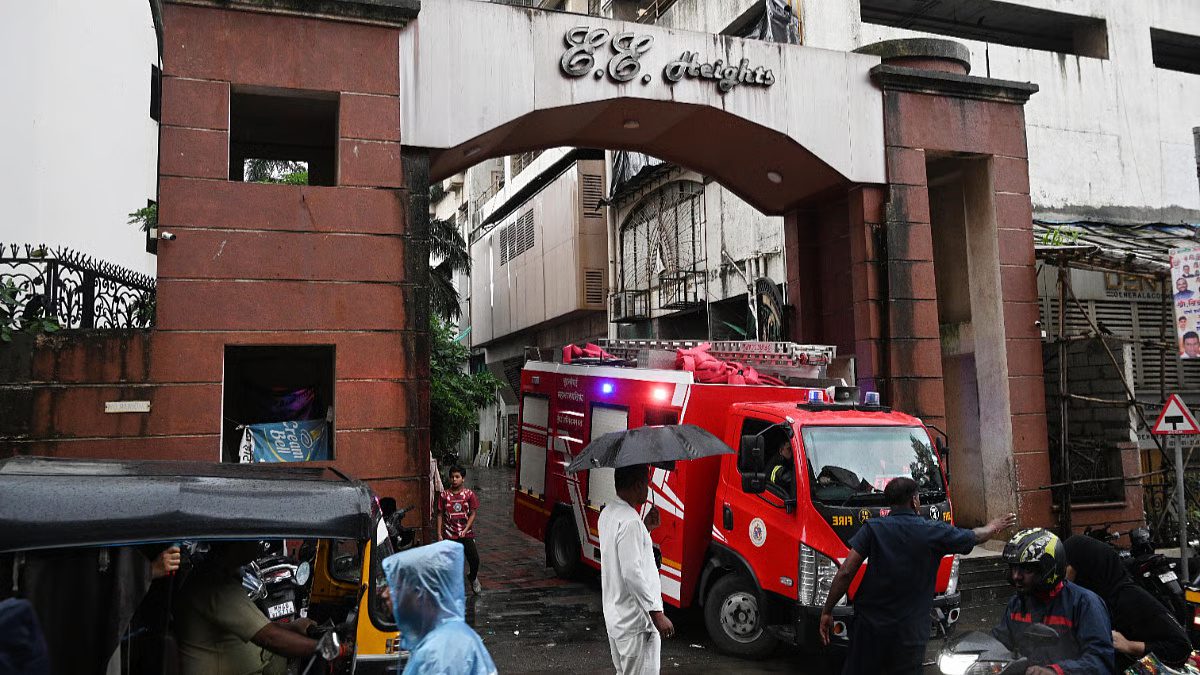
A fresh demand for a dedicated fire station in Jogeshwari East has brought renewed attention to gaps in emergency response infrastructure across Mumbai’s rapidly densifying western suburbs. With residential and commercial expansion accelerating in areas such as Andheri, Goregaon and Jogeshwari, concerns are mounting over delayed response times during fires and medical emergencies. The proposal, raised by a public representative to the city administration, calls for a smaller, strategically located fire facility near a major trauma care hospital in Jogeshwari East. The suggested site, a municipal land parcel, is expected to serve a densely populated catchment that now includes high-rise developments, commercial hubs, and congested internal road networks.
Urban planners note that while Mumbai has expanded vertically over the past decade, the distribution of critical emergency services has not kept pace with this growth. Fire stations located in Irla and Goregaon currently cater to large stretches of the western suburbs, often navigating heavy congestion on arterial routes such as the Western Express Highway and the Jogeshwari–Vikhroli Link Road. This can significantly extend response times during the “golden hour” of emergencies, when rapid intervention is crucial. Civic officials indicate that the city’s fire services are structured across multiple zones with command centres, but coverage remains uneven in certain pockets. A new command centre is reportedly being planned in Goregaon, while an additional fire station project is already underway in Andheri. Authorities have stated that the feasibility of further expansion, including the proposed Jogeshwari East facility, will be assessed based on demand and operational requirements. Residents’ groups and local associations have long flagged the mismatch between infrastructure capacity and population density in these neighbourhoods.
The increasing prevalence of high-rise buildings, combined with a significant floating population linked to commercial activity, has raised the risk profile of the area. Experts emphasise that modern fire safety planning must account not only for building compliance but also for proximity and accessibility of emergency services. A related concern is the delay in executing long-reserved public infrastructure projects. A fire station earmarked in an earlier development plan for Andheri West has remained unrealised for decades, despite land allocation conditions tied to private development. While recent financial guarantees have been submitted, actual construction is still pending, highlighting broader challenges in translating planning provisions into on-ground assets. From a sustainability and resilience perspective, the issue underscores the importance of integrating emergency infrastructure into urban growth strategies. As cities densify, equitable access to life-saving services becomes a critical component of inclusive development. Planning experts argue that decentralised, smaller fire stations—closer to high-risk zones—can significantly improve response efficiency in congested urban environments.
The next steps will depend on administrative evaluation and resource allocation, but the demand signals a larger shift in how Mumbai must adapt its civic infrastructure to meet the realities of high-density, vertical urbanisation. Ensuring timely emergency response will remain central to building a safer and more resilient city.