Mumbai Dharavi Redevelopment Case Clears Major Hurdle
A significant legal development has cleared the way for the continuation of the Dharavi Redevelopment Project in Mumbai, after the Bombay High Court declined to intervene in a petition seeking changes to the project’s notified boundaries. The decision reinforces the legal standing of one of India’s most complex urban renewal initiatives, with implications for housing, land use, and inclusive redevelopment in high-density settlements. The petition had sought to exclude a traditional fishing settlement within Dharavi from the broader redevelopment plan, raising concerns around cultural preservation and community identity. However, the court held that the redevelopment framework had already received statutory approvals several years ago and could not be reopened at this stage. Legal experts interpret the ruling as an affirmation of procedural finality in large-scale urban projects, where prolonged uncertainty can stall both investment and rehabilitation efforts.
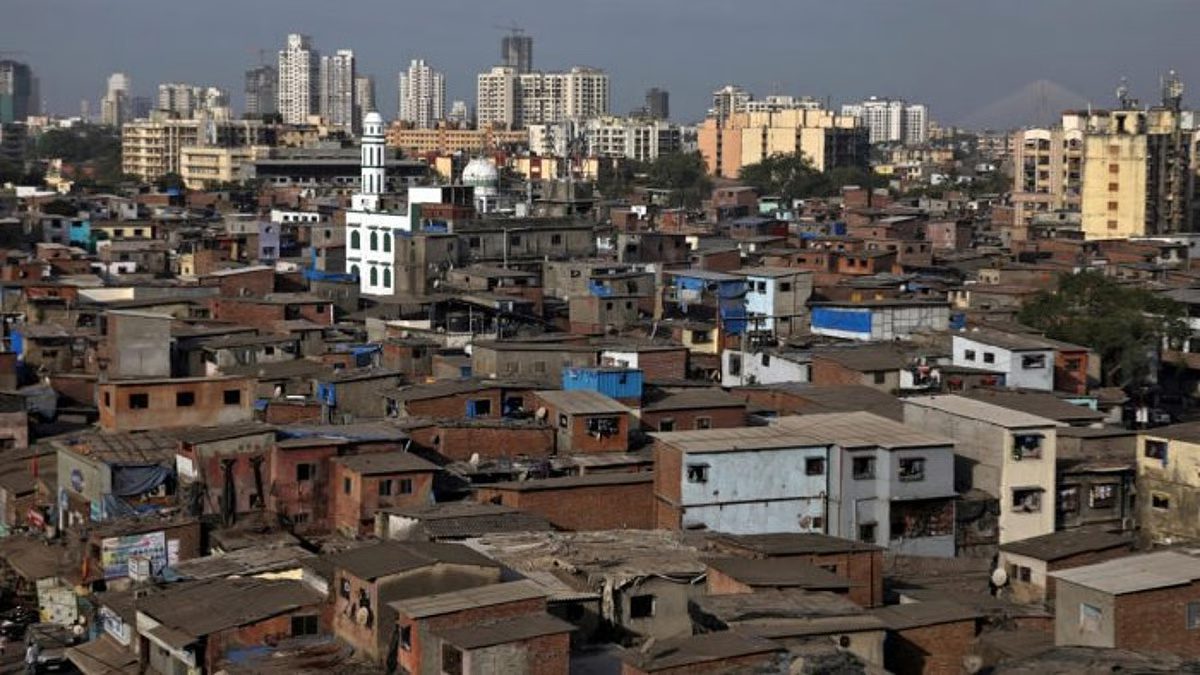
For policymakers and planners, the ruling highlights the tension between heritage preservation and the need for comprehensive urban transformation. Dharavi, often described as one of Asia’s most densely populated informal settlements, has evolved over decades into a complex socio-economic ecosystem. While redevelopment promises improved housing, sanitation, and infrastructure, it also raises questions about how traditional livelihoods and community networks are accommodated within formal planning frameworks. Urban development specialists note that the Dharavi Redevelopment Project represents more than a real estate intervention. It is positioned as a test case for inclusive regeneration, where land value, rehabilitation rights, and economic activity must be balanced carefully. The project aims to integrate residential, commercial, and social infrastructure within a structured layout, potentially reshaping land use patterns in central Mumbai. At the same time, the concerns raised in the petition underscore the importance of micro-level planning within large projects.
Fishing communities, like other traditional groups, often depend on location-specific access to water bodies and local markets. Experts suggest that while macro-level redevelopment plans provide scale and efficiency, they must incorporate flexible design solutions that recognise such socio-economic dependencies. The court has allowed stakeholders to pursue administrative remedies regarding boundary demarcation, indicating that while the broader project will proceed, localised concerns can still be addressed through planning authorities. This approach reflects an evolving governance model where legal clarity coexists with administrative responsiveness. From a broader urban perspective, the ruling may accelerate progress on the Dharavi Redevelopment Project, which has faced delays due to regulatory, financial, and social complexities. As cities across India grapple with upgrading informal settlements, the outcome of this project will likely influence future policy frameworks, particularly in balancing redevelopment with community rights.
Going forward, the focus will shift towards execution—ensuring that rehabilitation is equitable, infrastructure is resilient, and the redevelopment delivers on its promise of improved living conditions without eroding the social fabric that defines Dharavi’s unique urban character.