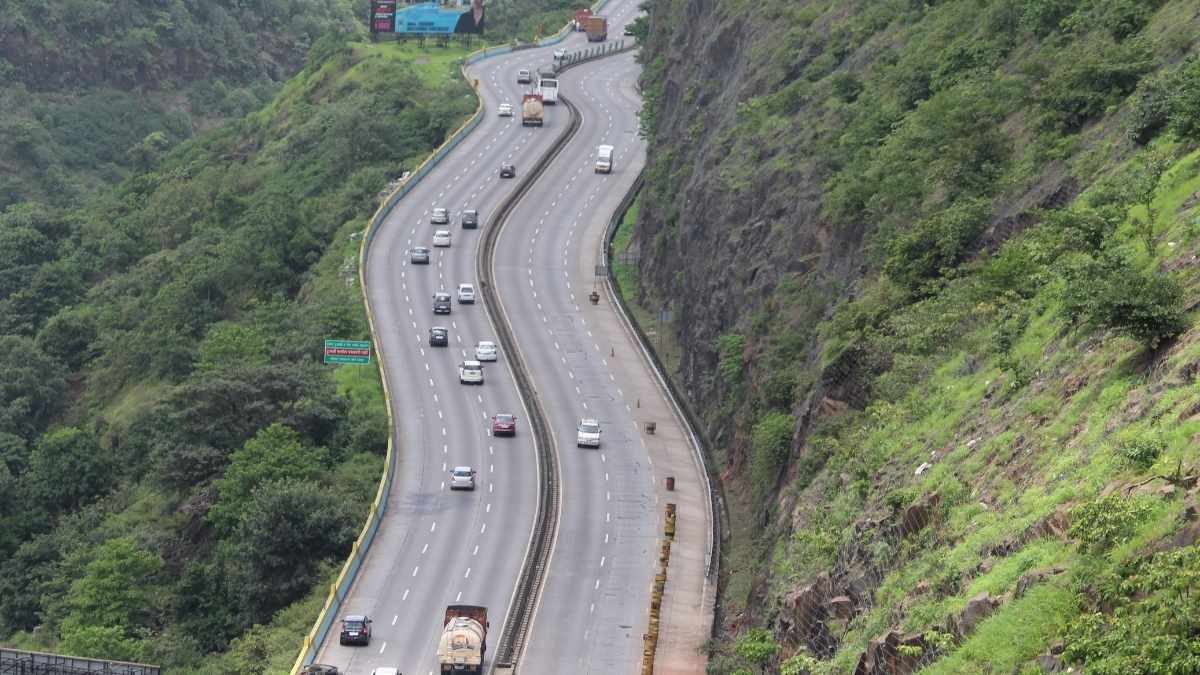
A critical infrastructure upgrade on the Mumbai–Pune corridor is approaching completion, with authorities preparing to operationalise the long-delayed Missing Link project by early May. The intervention, designed to bypass hazardous ghat sections, is expected to significantly reduce travel time while improving safety on one of India’s most economically vital expressways. The Missing Link project introduces a tunnel-based alignment between Khopoli and Khandala, replacing a stretch historically associated with congestion and frequent accidents. Urban transport experts note that the existing route, characterised by steep gradients and sharp curves, has long posed operational challenges for both passenger and freight movement, particularly during monsoon periods. By diverting traffic underground, planners aim to create a more predictable and resilient mobility corridor.
From an economic standpoint, the upgrade holds wider implications beyond travel convenience. The Mumbai–Pune axis supports substantial industrial, logistics, and service-sector activity, making reliable connectivity central to regional productivity. Reduced transit times are expected to lower logistics costs, enhance supply chain efficiency, and improve intercity workforce mobility. Infrastructure analysts suggest that such improvements can also influence real estate dynamics along peripheral growth corridors by enhancing accessibility. The Missing Link project also reflects a broader shift in infrastructure design towards risk mitigation and climate responsiveness. Tunnels, while capital-intensive, offer greater protection against landslides and weather-related disruptions compared to exposed hill roads. This becomes particularly relevant in the Western Ghats region, where extreme rainfall events are becoming more frequent due to changing climate patterns. By prioritising safety and continuity, the project aligns with emerging principles of climate-resilient infrastructure.
Parallel to this transport upgrade, planning authorities are accelerating land assembly for a new growth cluster in Raigad district under the broader “Mumbai 3.0” vision. Officials indicate that a participatory land pooling approach is being used, allowing landowners to retain a stake in future development rather than undergoing conventional acquisition. Urban planners view this model as a potential shift towards more equitable and less disruptive expansion strategies, especially in rapidly urbanising regions. The convergence of improved intercity connectivity and new urban development zones signals a coordinated attempt to rebalance growth across the wider metropolitan region. However, experts caution that the long-term success of such initiatives will depend on integrated planning—ensuring that transport, housing, and environmental systems evolve together rather than in isolation.
As the Missing Link project moves towards inauguration, attention will turn to its operational performance and its ability to deliver sustained reductions in travel time and accident risk. Its success could shape future infrastructure strategies across other high-density corridors in India, where safety, efficiency, and sustainability must increasingly go hand in hand.