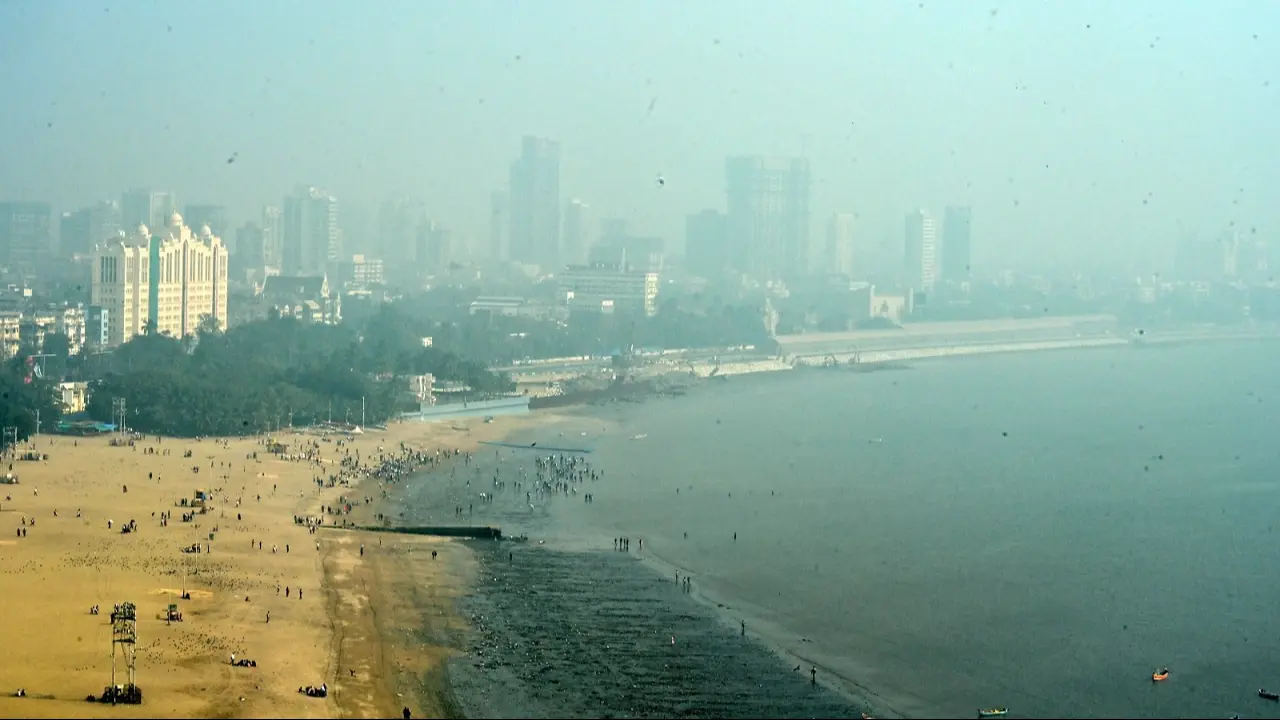
Mumbai’s air environment has entered a relatively stable phase, with recent monitoring data indicating pollution levels remain within the “satisfactory” band. The Air Quality Index (AQI) reading of 62 reflects controlled emissions across most parts of the city, offering a temporary reprieve in a metropolis often grappling with fluctuating air conditions. For a dense urban region balancing infrastructure growth and environmental stress, such stability carries wider implications for public health and planning. The current Mumbai Air Quality Index suggests that pollution levels are not posing immediate health risks for the general population. However, urban planners caution that this equilibrium is often short-lived in cities where transport emissions, construction activity, and seasonal weather shifts continuously influence air quality.
The marginal variation observed in certain pockets, where levels edged into the moderate category, underscores the uneven distribution of environmental stress within city limits. Experts note that Mumbai’s coastal geography and wind patterns frequently assist in dispersing pollutants, preventing prolonged accumulation. Yet, this natural advantage does not offset structural challenges. Traffic congestion, ongoing real estate development, and infrastructure expansion remain persistent contributors to particulate matter levels. As a result, the Mumbai Air Quality Index can shift quickly, particularly during periods of low wind movement or increased construction intensity. From a governance perspective, real-time monitoring tools have become central to tracking urban air health. Digital platforms aggregating live AQI data allow authorities to identify emerging hotspots and respond with targeted interventions.
This data-driven approach is increasingly seen as critical for managing environmental risks in rapidly urbanising regions, where traditional reactive measures often fall short. The broader significance lies in how cities like Mumbai integrate air quality management into long-term urban policy. Stable AQI readings offer an opportunity to reinforce preventive strategies rather than temporary fixes. Urban development experts argue that embedding sustainability into transport planning, promoting cleaner construction practices, and expanding green buffers are essential to maintaining consistent air quality gains. At a citizen level, awareness and behavioural shifts also play a role. Reduced reliance on private vehicles, better waste management practices, and community-level engagement can collectively influence emission patterns. While systemic reforms are necessary, incremental changes at the local scale contribute to sustaining acceptable air conditions.
Looking ahead, the challenge for Mumbai will be maintaining this balance amid ongoing economic and infrastructure growth. The current Mumbai Air Quality Index may reflect favourable conditions, but sustaining it will depend on coordinated action between policymakers, industry, and residents. As the city continues to expand, aligning development with environmental resilience will determine whether such periods of stable air quality become the norm rather than the exception.